During high‑speed pursuits or stationary surveillance of a suspect vehicle, law enforcement officers face a critical blind spot: the interior of the fleeing car. Windows, even when darkened or tinted, reflect ambient light and create glare that obscures the occupants and any cargo inside. Rain, snow, fog, or smoke further degrade visibility, turning the vehicle into a steel box whose contents remain unknown until it is too late. The officer on the ground cannot determine whether the driver is alone, whether a passenger is reaching for a weapon, or whether the trunk contains illegal goods. This lack of remote detection forces reactive, high‑risk decisions—closing the distance physically or waiting for a traffic stop that may never come safely. The core challenge is to obtain clear, real‑time imagery through optical obstacles without exposing personnel to danger.
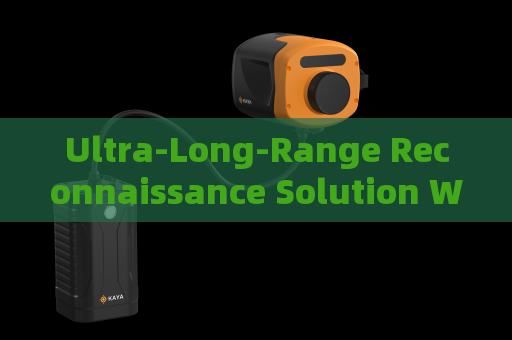
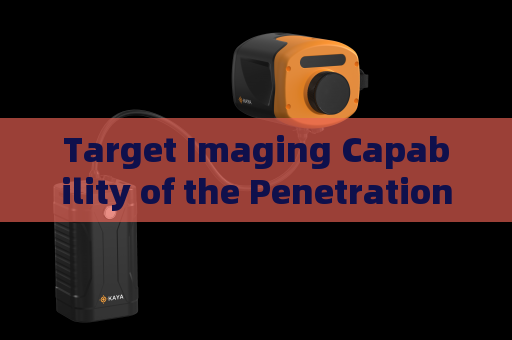
The penetrating imager directly addresses this limitation through laser range‑gated imaging technology, commonly known as gated imaging. Unlike conventional cameras that capture all light at once, the penetrating imager emits a high‑repetition‑rate pulsed laser and synchronizes an intensified gated camera (equipped with an MCP image intensifier, high‑voltage module, and timing circuits). By opening the electronic shutter only when the reflected laser pulse from the target returns, the system eliminates backscatter from fog, rain, or windshield reflections. The result is a high‑contrast image of the vehicle interior, captured through ordinary automotive glass, aircraft portholes, or glass curtain walls. The device operates purely in the optical domain—no radio waves, X‑rays, or ultrasound are involved. Its active illumination ensures long‑range performance, high resolution, and strong resistance to environmental interference, making it ideal for law enforcement scenarios where passive optics fail.
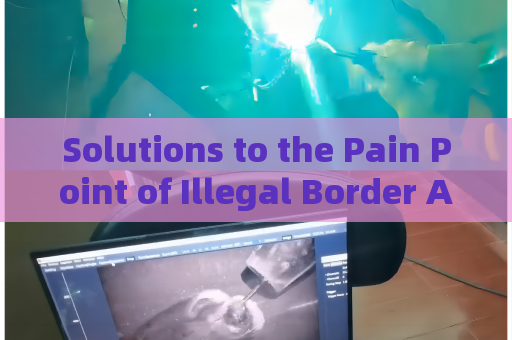
In practical field use, the penetrating imager is deployed from a patrol vehicle or a fixed observation point dozens to hundreds of meters away from the fleeing car. The operator activates the system and aims at the target windshield or side windows. Within seconds, the gated image reveals the number and positions of occupants, their movements, and any objects in their hands or on seats. Cargo in the rear compartment becomes visible through the rear window or hatchback glass, even under heavy rain or dense fog. The technology does not require physical contact or close approach, thereby preserving tactical standoff. Standard operating procedures integrate the imager with existing surveillance networks, allowing a command center to assess threat levels before deciding on interception or other enforcement actions.
The penetrating imager excels in degraded visual environments that defeat traditional optics. During nighttime operations, its laser provides its own illumination, rendering ambient light irrelevant. In foggy conditions, the gating mechanism rejects scattered light from water droplets, maintaining a clear view of the vehicle cabin. Even when smoke from a roadside fire drifts across the scene, the imager boosts visibility by three to five times compared to standard cameras—though it cannot penetrate dense smoke plumes. This capability transforms a previously unobservable interior into a transparent space, enabling officers to confirm the presence of weapons, contraband, or hostages before committing to a tactical action. By overcoming the challenge of remote detection for occupants and cargo in fleeing vehicles, the penetrating imager shifts law enforcement from guesswork to informed decision‑making, reducing risk for all parties involved.