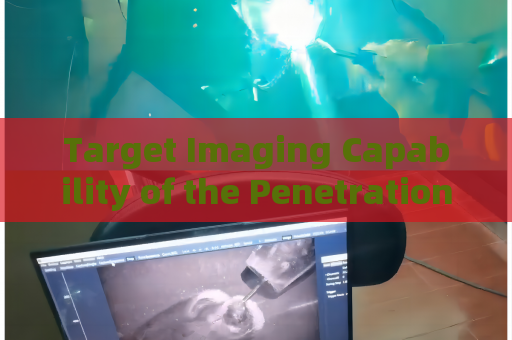
Target Imaging Capability of the Penetration Imager with Strong Light Suppression Imaging in Strong Backlight Conditions
In hostage rescue or covert surveillance operations conducted through vehicle windshields or building glass facades, strong backlight conditions—such as direct sunlight, oncoming headlights, or high-intensity floodlights—create a severe imaging challenge. The intense background illumination saturates conventional camera sensors, washing out the target and obscuring critical details like facial features, hand movements, or concealed objects. Even with advanced optics, the contrast between the target and the glaring light source becomes too low for reliable identification. This problem is compounded when the subject is behind glass, as reflections and glare further degrade image quality. Law enforcement and security personnel often find themselves forced to reposition or delay action, risking mission failure or officer safety. The core pain point is the inability to obtain a clear, usable image of a person or object under these extreme lighting conditions while maintaining covert observation through transparent barriers.
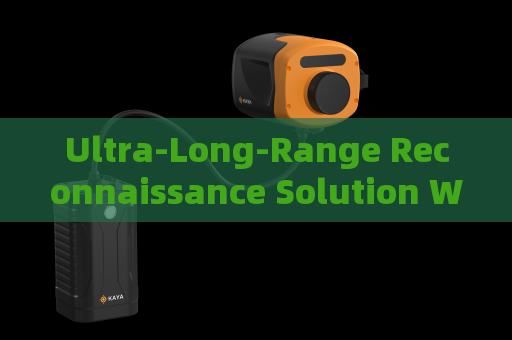
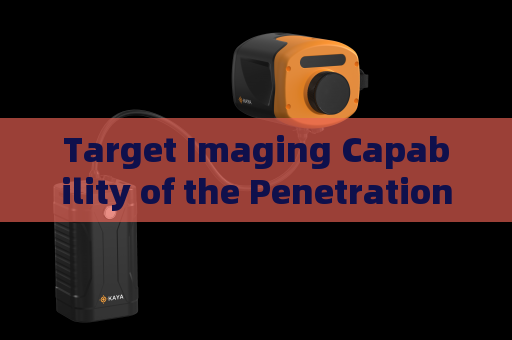
The penetration imager, an active optical imaging system based on laser range-gated imaging technology, directly addresses this scenario through its strong light suppression imaging capability. By emitting synchronized high-repetition-rate laser pulses and gating the intensified camera to receive reflections only from a precise depth slice, the system effectively blocks out-of-focus light sources. In strong backlight conditions, the gating window is set to capture only the target plane while rejecting direct sunlight, headlight beams, or floodlight glare that originates from a different distance. The built-in microchannel plate image intensifier further amplifies the weak return signal from the target, preserving fine details even when the background illumination is orders of magnitude brighter. This selective depth gating transforms a frustrating backlight problem into a manageable imaging task, enabling the operator to see through glass with high contrast and minimal blooming.
In practical application, an operator positions the penetration imager behind a vehicle’s side window or a building’s curtain wall during daytime surveillance. The device automatically or manually adjusts the gate delay to match the distance to the target, which may be seated inside a car or standing in a room. When the strong backlight from the sun or a streetlamp strikes the glass, the imager’s laser pulses cut through the glare, and the gated camera returns a clean, detailed image of the subject’s silhouette, attire, and any objects in hand. The strong light suppression function reduces halo effects and eliminates the washed-out appearance typical of conventional cameras. This allows an operator to confirm identification, assess threats, or record evidence without revealing their own position, as the system operates covertly with near-infrared laser illumination invisible to the naked eye.
Further refinement of the technique involves using the penetration imager in rapidly changing backlight scenarios, such as a moving vehicle exiting a tunnel into direct sunlight. The system’s real-time gate adjustment and high frame rate ensure continuous tracking of the target despite abrupt shifts in ambient brightness. Field tests demonstrate that in strong backlight conditions, the penetration imager achieves a target imaging capability that outperforms standard low-light optics by a factor of three to five, particularly when looking through darkly tinted or reflective glass. The result is a reliable visual intelligence tool for tactical teams who must maintain picture clarity under the most challenging lighting environments, from noon-time highway intercepts to illuminated night-time glass-walled rooms.