Thermal imagers have long been a staple in emergency response and law enforcement operations, yet their performance degrades sharply in scenarios involving tinted glass and smoke. When a vehicle’s windows are heavily tinted, the infrared radiation emitted by occupants is absorbed or reflected by the film, leaving only a blurry heat signature or no useful image at all. Smoke, whether from a structure fire or a tactical smoke screen, scatters and absorbs thermal energy, further reducing contrast and effective range. In a hostage situation where a suspect hides behind a car with dark window film and deploys a smoke canister, the thermal imager becomes nearly blind. This limitation forces operators to close distance, exposing them to grave danger, or to rely on slower, riskier tactics. The core pain point is the inability to gain situational awareness through optically obstructive media—specifically, transparent but coated glass and airborne particulates—without compromising safety or mission tempo.
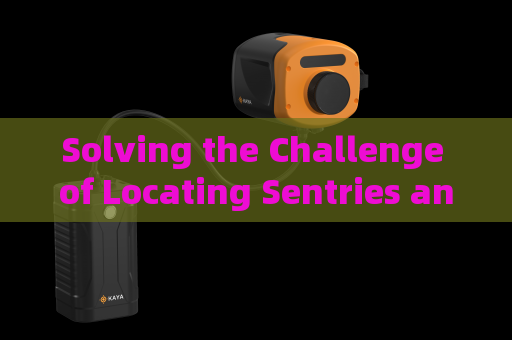
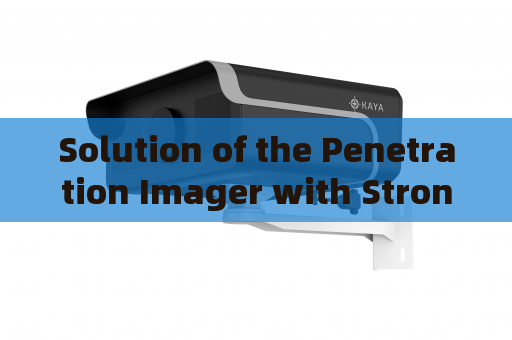
The penetration imager directly addresses this operational gap through its unique laser range‑gated imaging technology. Unlike thermal imagers that passively detect heat, the penetration imager is an active system composed of a high‑repetition‑rate pulsed laser, an image‑intensified range‑gated camera, beam expanders, and imaging optics. It emits short laser pulses and opens the camera shutter only when the reflected light from the target returns, effectively eliminating backscatter from smoke particles or the surface of tinted glass. This time‑gated approach allows light to pass through the tint film and smoke layer, then capture a high‑contrast, resolution‑rich image of the scene beyond. Because the system works entirely within the optical spectrum—not with radio waves or X‑rays—it complies with the strict operational boundaries of law enforcement and firefighting, penetrating only optical media such as automotive glass, airplane windows, and glass curtain walls. The penetration imager’s active illumination also provides its own light source, overcoming the darkness that often accompanies smoke‑filled environments.
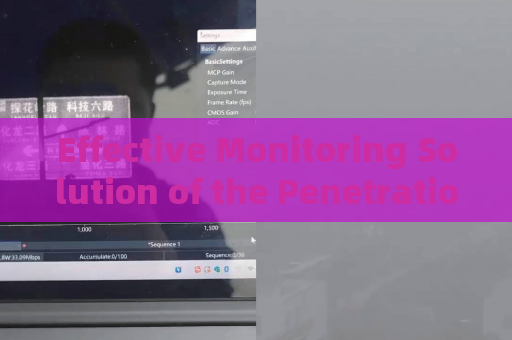
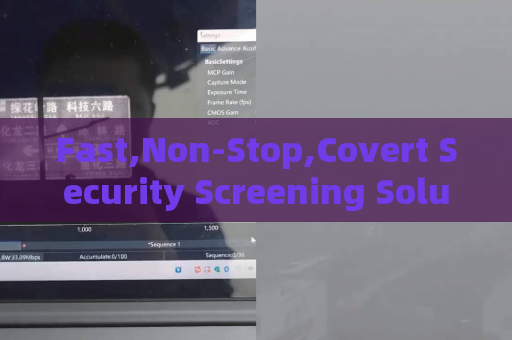
In practical deployment, the penetration imager transforms the way tactical teams approach vehicle checks and fire‑scene reconnaissance. An operator aiming the device at a tinted car window from a safe standoff distance can instantly see the number of occupants, their positions, and even objects they hold, all while the window film remains dark to the naked eye. In a smoke‑filled structure, the same unit clarifies objects up to three to five times further than the human eye can perceive through haze, though it is critical to note that extremely dense, opaque smoke may still reduce visibility. The system’s high‑contrast imaging and resistance to jamming from ambient light or flash sources make it reliable during dynamic entries. Training protocols emphasize a simple point‑and‑acquire workflow: the operator selects the target, the device automatically adjusts laser pulse timing for the estimated distance, and the live feed appears on a helmet‑mounted display or handheld monitor. This speed allows teams to verify threats or locate victims without breaching a door or shattering a window, preserving both stealth and safety.

For a hostage rescue scenario inside a vehicle with tinted glass and a smoke‑generating device, the penetration imager becomes the primary sensor. Commanders can watch the suspect’s movements in real time, confirm the presence of a weapon, and coordinate the exact moment of intervention. The technology also supports after‑action review by recording the gated imagery, providing objective evidence of what was visible through the obstruction. Because the penetration imager does not rely on thermal differences, it works equally well in ambient temperatures, cold climates, or when the target is wearing thermal insulation. This versatility ensures that the same system serves traffic stops, VIP protection sweeps, and search‑and‑rescue operations in smoky environments. The key limitation—its inability to penetrate non‑transparent solids like walls or metal—actually reinforces its role as a specialized optical tool, distinct from radar or sonar. By resolving the performance limitations of thermal imagers in tint and smoke penetration missions, the penetration imager closes a critical capability gap in modern emergency response.