Solutions to Confirmation Failures for Trapped Victims in Smoke-Filled Burning Vehicles with Smoke Penetration Imaging
In the chaos of a vehicle fire, darkness, heavy smoke, and dancing flames conspire to blind first responders. The critical question—whether anyone remains inside—often goes unanswered for precious minutes. Emergency crews must peer through soot-covered glass while heat and smoke distort every visual cue. A rescuer might mistake a collapsed seat for a human form, or overlook a victim curled in the footwell. These confirmation failures delay extraction, increase risk to both victims and rescuers, and can turn a survivable incident into a tragedy. Traditional methods—flashlights, thermal cameras, or brute-force window breaking—offer partial relief but falter when smoke and fire create an impenetrable optical barrier. The penetration imager, a purpose-built optical instrument, directly addresses this life-or-death uncertainty.
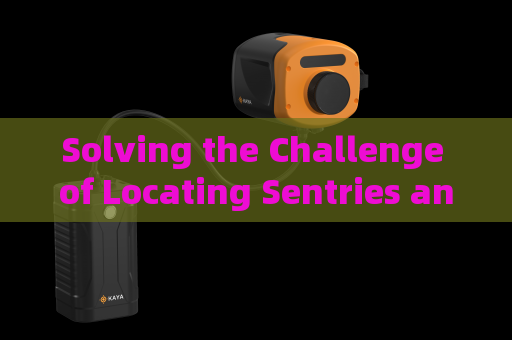
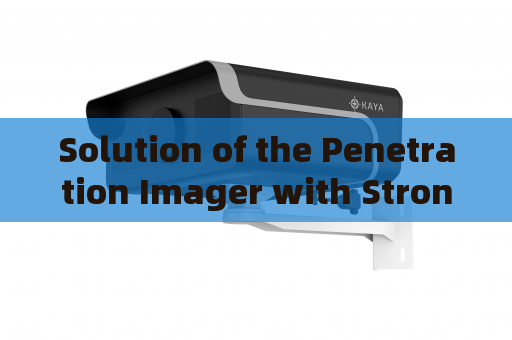
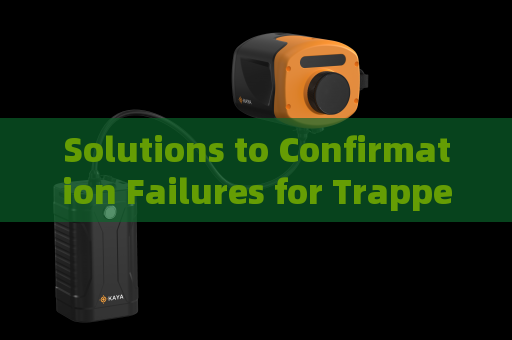
The penetration imager employs laser range‑gated imaging technology, combining a high‑repetition‑rate pulsed laser, an image‑intensified gated camera (with MCP intensifier, high‑voltage module, and timing control), a beam expander, and an imaging lens. This active imaging system delivers high‑contrast pictures by transmitting short laser pulses and opening the camera’s gate only for the returning echo from the target. The technique effectively suppresses backscatter—the blinding glow that smoke and flame create—and allows the operator to see through optical media such as car windows, train windows, and glass facades. While the penetration imager cannot penetrate dense, opaque smoke, it remains fully functional in the presence of fire, haze, fog, rain, and snow, improving fireground visibility three to five times. For a smoke‑filled burning vehicle, this means the device can cut through the soot layer on the glass, the flames licking around the door, and the haze inside, producing a clear image of the cabin.
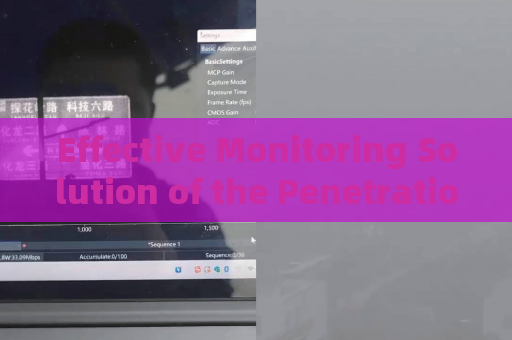
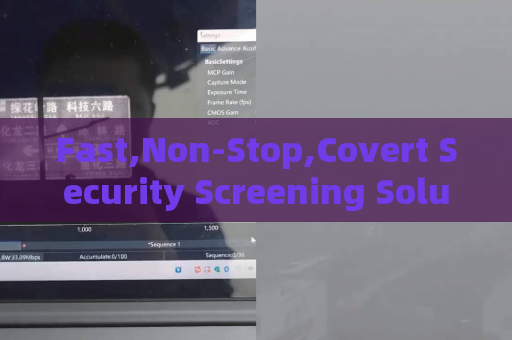
In practice, a rescuer stands at a safe distance, aims the penetration imager at the vehicle’s side windows or windshield, and watches the monitor. The image reveals whether a victim is seated, slumped, or pinned. During a recent motor‑vehicle crash that ignited, responders used the penetration imager to look through the rear window, which was blackened by pyrolytic residue. The screen showed a child’s silhouette in the back seat—a detail invisible to the naked eye. This allowed the crew to prioritize that door for breaching, avoiding wasted effort on an empty front seat. The operation requires no physical contact with the burning structure, preserving the rescuer’s safety while providing actionable intelligence within seconds. The penetration imager’s high resolution and long‑range capability mean it works even when the vehicle is fifty feet away, behind a row of flames.
A subtle but crucial point: the penetration imager fails against impenetrable smoke—the thick, soot‑laden cloud that fills an enclosed space after prolonged burning. Yet in many fire‑ground scenarios—especially during the first few minutes after ignition or when a window has been partially opened—the smoke inside a vehicle remains at a moderate density, or the glass itself is the primary barrier. By positioning the device at the roofline or through a cracked vent, operators can still obtain useful data. When the cabin is completely opaque, crews first use a halligan tool to create a small orifice, venting the heavy smoke, then apply the penetration imager through that gap. This two‑step procedure preserves the device’s core advantage: optical transparency through glass and flame. The penetration imager does not replace thermal cameras or radars; it occupies a specific niche, confirming the presence and location of trapped victims when other sensory channels are overwhelmed. Its proper use reduces guesswork, shortens rescue times, and aligns with the tactical requirement for positive victim confirmation in smoke‑filled burning vehicles.