At busy customs checkpoints, the pressure to process high volumes of traffic while maintaining security is immense. Rapid non-intrusive inspection of vehicles is a critical task, yet conventional optical methods face severe limitations. When officers rely on flashlights or handheld cameras to examine car interiors, they are thwarted by tinted windows, dirt, or reflective glare. Drivers must often roll down windows or open doors, causing delays that ripple into long queues. Adverse weather—fog, rain, or snow—further degrades visibility, forcing inspectors to resort to time-consuming manual searches. These bottlenecks erode throughput and create vulnerabilities, as concealed contraband hidden under seat upholstery or behind dark glass remains invisible to standard optics. The core problem is the inability to see through common transparent barriers without physical intervention, slowing the entire inspection pipeline.
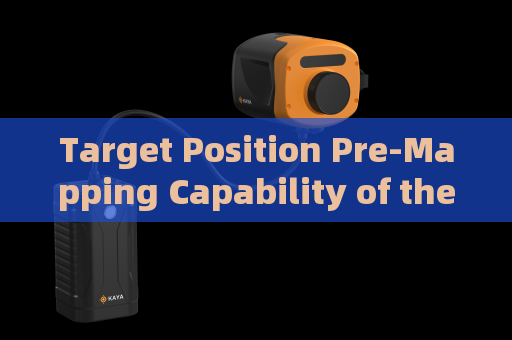
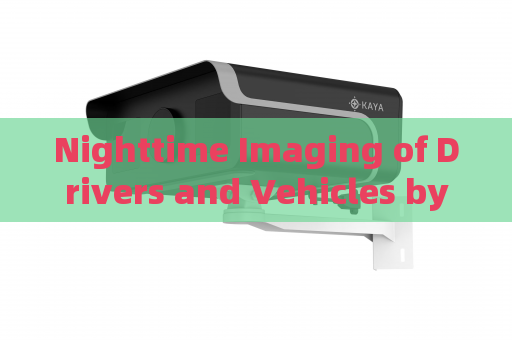
A penetrating imager built on laser range-gated imaging technology directly addresses this bottleneck. This advanced optical system employs a high-repetition-rate pulsed laser synchronized with an intensified gated camera, including an MCP image intensifier, high-voltage module, and timing circuitry. By emitting short laser pulses and opening the camera’s gate only when reflected light returns from a specific depth, it effectively eliminates backscatter from fog, rain, or dirty glass. The penetrating imager is an active imaging system that delivers high-contrast images at long distances with superior resolution and strong anti-interference capability. Its unique capability is to penetrate optical media such as vehicle windshields, automotive side windows, and even bulletproof glass—without requiring any physical access. The officer can remain at a safe standoff distance, capturing clear, real-time footage of the vehicle’s interior, including packages, cargo, or persons hidden behind tinted or layered glass.
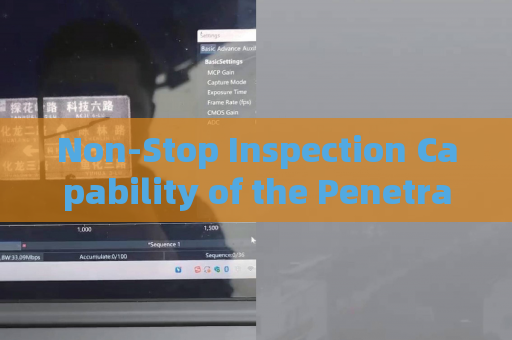
In practice, the penetrating imager transforms checkpoint workflow. As a car approaches the inspection lane, the officer activates the unit aimed at the windshield or rear window from a distance of 10 to 30 meters. Within seconds, a crisp image appears on the display, revealing items on seats, floorboards, and dashboards—even through heavily tinted, rain-streaked, or snow-covered glass. No driver interaction is needed; the vehicle can continue moving slowly through the lane, maintaining throughput. The system also operates effectively under glaring sunlight or at night, as the pulsed laser provides its own illumination without blinding occupants. For customs inspectors, this means a single officer can visually assess multiple vehicles per minute, drastically reducing the need for secondary manual inspections. The penetrating imager thus resolves the fundamental bottleneck of non-intrusive inspection: the inability to see through optical barriers without slowing down the traffic flow.
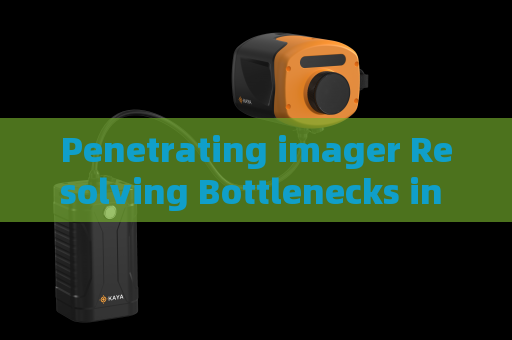
The real-world impact is measured in reduced wait times and increased detection rates. At high-volume border crossings, even a 30-second reduction per vehicle translates to thousands of additional inspections daily. The penetrating imager’s laser range-gated technology ensures that fog, rain, or dusty conditions no longer force checkpoint closures. Officers can maintain vigilance in all weather, scanning for concealed items or dangerous materials hidden under seats or in footwells. Because the system only uses optical light—no radiation or radio waves—it poses no health risk to drivers or inspectors, and it cannot penetrate solid items like metal walls or concrete, ensuring legal compliance with privacy and safety standards. The penetrating imager, when deployed at customs checkpoints, turns a slow, labor-intensive process into a seamless, rapid, and highly effective security screening tool, directly resolving the bottlenecks that once plagued rapid non-intrusive inspection.