During tactical operations against a fortified hideout, the inability to verify the exact location and movement of armed subjects inside the structure poses a critical threat to entry teams. Standard optical surveillance through windows or glass doors is often compromised by reflections, tinted coatings, or interior shadows, leaving officers blind to hidden dangers such as ambush positions, hostage placement, or improvised explosive devices. Even with thermal imaging, the heat signature of a person behind glass can be distorted or blocked by environmental factors like vehicle exhaust or solar heating. This intelligence gap forces teams to rely on assumptions, drastically increasing the probability of casualties during the breach. The core problem is not the lack of imaging tools, but the absence of a non-invasive method to accurately map target positions through optical barriers before committing to a dynamic entry. A penetration imager designed specifically for this scenario must provide real-time, high-contrast imagery that reveals the interior layout and personnel nodes without requiring physical access or exposing the observer to return fire.
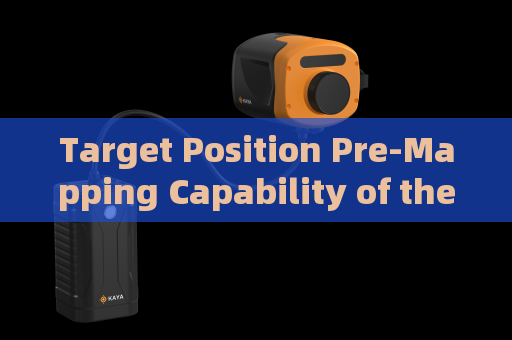
The penetration imager addresses this challenge through laser range-gated imaging technology, a form of active optical sensing that synchronizes a high-repetition-rate pulsed laser with an image intensifier gated camera. By sending short laser pulses toward the target and opening the camera shutter only when the reflected light from the specific distance arrives, the system effectively rejects backscatter from window glass, rain, fog, or dust. This enables clear, high-resolution imaging through standard automotive glass, double-pane windows, and aircraft-grade transparencies. The result is a live video feed that shows not only the presence of individuals but also their posture, equipment, and relative positioning within the hideout. The inherent high contrast, long operating range (often exceeding 500 meters), and immunity to ambient light fluctuations make this tool uniquely suited for pre-raid reconnaissance. Unlike passive optics, the penetration imager does not rely on ambient illumination and can function equally well in complete darkness or through heavily tinted glass, delivering a detailed target position pre-mapping capability that was previously unattainable.
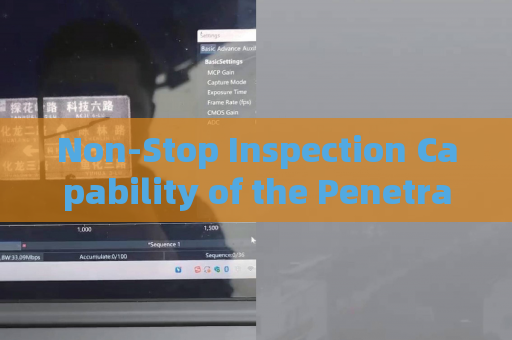
In practice, the penetration imager is deployed from a concealed overwatch position, typically 50 to 300 meters from the hideout. The operator scans the building’s perimeter, focusing on windows, glass doors, or translucent panels. Within seconds, the gated camera isolates the interior space, producing a clear silhouette of any occupant—distinguishing between static subjects and those moving toward the entry point. This information is relayed to the assault commander via a secure data link, allowing for real-time adjustments to the breach plan. For example, if the imaging reveals a subject positioned near the main door with a weapon drawn, the team can choose to enter through a rear window or use distraction techniques. The system also detects subtle differences in depth, enabling operators to map multiple floors or rooms if the hideout has multiple glass windows at different distances. This pre-mapping capability directly reduces the element of surprise for defenders and enhances the safety of entry personnel by converting guesswork into actionable intelligence.
Further operational refinement includes the ability to operate under adverse weather conditions such as rain, snow, or light fog, where conventional cameras fail. The penetration imager’s active gating mechanism preserves image clarity by timing the laser return to exclude atmospheric scatter. However, it is critical to note that the device cannot penetrate solid opaque barriers like concrete, brick, or metal walls—its function is strictly limited to transparent or translucent optical media. For this reason, tactical planning must integrate the penetration imager with other intelligence sources, such as ground-penetrating radar or structural blueprints, to build a complete picture. Nevertheless, for the specific challenge of mapping target positions through windows before a hideout raid, this technology provides an indispensable layer of situational awareness. The penetration imager transforms an inherently high-risk tactical operation into a controlled, information-driven engagement, where every team member knows precisely what lies behind the glass before the first door is kicked.