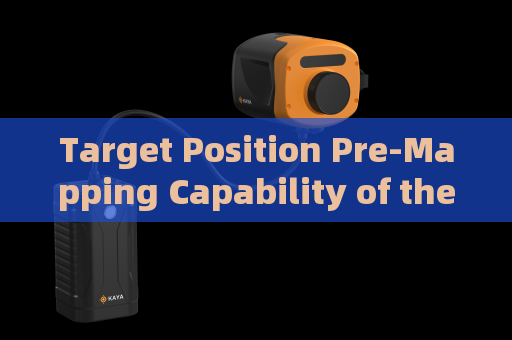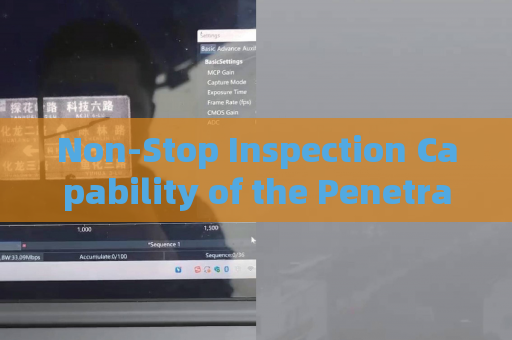
Non-Stop Inspection Capability of the Penetration Imager for Tinted Glass with Strong Light Suppression Imaging at Night Nighttime security inspections of vehicles with heavily tinted windows pose a persistent challenge for law enforcement and border patrol units. Standard surveillance cameras and the human eye struggle to see through dark, reflective glass, especially when oncoming headlights, street lamps, or floodlights create blinding glare. Officers conducting checkpoints or covert observation often face a critical blind spot: a suspect vehicle's interior remains hidden behind tinted glass, while strong external light sources wash out any residual detail. This limitation forces personnel to approach dangerously close or rely on verbal commands, increasing risk in high-threat scenarios. The inability to maintain continuous, non-stop visual assessment through tinted glass under adverse nighttime lighting conditions compromises both operational safety and tactical advantage. The Penetration Imager directly addresses this pain point through its laser range-gated imaging technology, which functions as an active optical system. Unlike passive night vision that amplifies ambient light and gets overwhelmed by bright sources, the Penetration Imager emits short, high-repetition-rate laser pulses and synchronizes a gated intensified camera to capture only the light reflected from the target at a specific distance. This time-gating mechanism effectively suppresses strong light sources such as headlights or floodlights by rejecting photons arriving outside the gated window. Simultaneously, the pulsed laser beam penetrates the tinted glass coating—whether metallic or dyed—because the laser wavelength is selected to pass through optical media without significant absorption. The built-in MCP image intensifier and timing module ensure that even a fraction of reflected signal from the vehicle interior is amplified into a clear, high-contrast image, while backscatter from dust, fog, or rain is filtered out. In practice, an operator can maintain continuous, non-stop inspection from a safe standoff distance. For example, at a stationary checkpoint, the Penetration Imager is mounted on a tripod or vehicle roof, aimed at approaching cars. As each vehicle enters the inspection zone, the system automatically adjusts the gate delay to lock onto the interior depth behind the windshield or side windows. Even when the driver turns on high beams or when passing streetlights create moving glare spots, the imager's strong light suppression ensures the interior remains clearly visible in real time. The officer sees a bright, detailed image of the occupants, their hands, and any objects on seats—without needing to step into the glare or ask the driver to roll down the window. This non-stop capability means no gap in surveillance, allowing rapid threat assessment and reducing the need for secondary confirmation. Further operational refinements enhance the Penetration Imager's reliability in demanding nighttime scenarios. The system's laser pulse energy is eye-safe at typical inspection ranges (20–100 meters), and the gated camera can operate at video frame rates, providing a fluid, real-time feed. For covert patrols, the imager can be handheld or vehicle-integrated, with a display showing the suppressed glare and the tinted glass interior simultaneously. The laser wavelength and narrow gate width also mitigate interference from other vehicles' lights in multi-lane environments. By eliminating the need for auxiliary illuminators or white light, the Penetration Imager maintains tactical stealth while delivering non-stop inspection capability through tinted glass at night—transforming a critical vulnerability into a controlled, actionable advantage for security personnel.