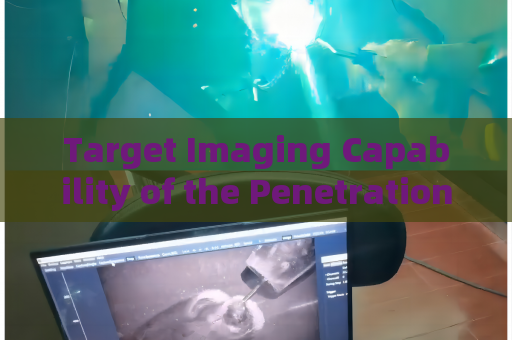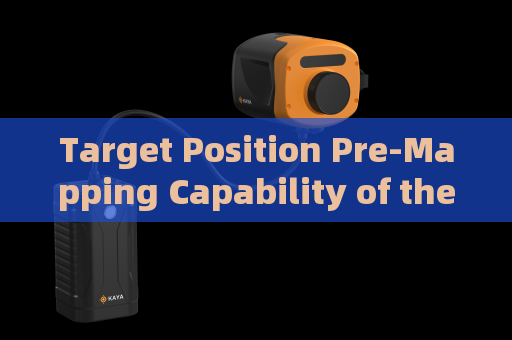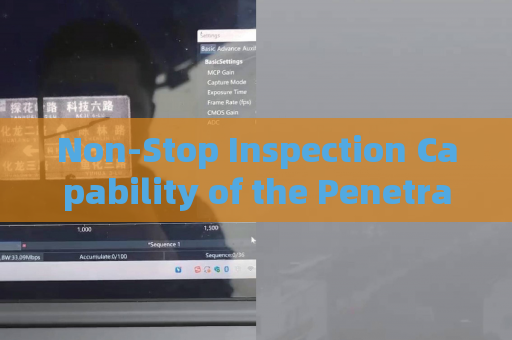
Nighttime Imaging of Drivers and Vehicles by the Penetration Imager with Low-Light Imaging Without Additional Illumination Nighttime law enforcement operations targeting vehicle occupants present persistent challenges. Standard optical surveillance tools, such as conventional night-vision devices or thermal imagers, often fail to deliver actionable intelligence when a suspect vehicle is stationary or moving under low ambient light. Windshield glass, heavily tinted windows, and dashboard reflections create a complex optical barrier that scatters ambient light and masks the driver’s face, hand movements, and any interior objects. The use of visible or infrared searchlights instantly alerts the subject, compromising tactical surprise and potentially escalating a routine traffic stop into an armed confrontation. Without a means to see through these optical obstructions without revealing the observation post, officers remain blind to threats such as weapons concealed in the driver’s lap or contraband visible on the passenger seat. This gap in capability forces agencies to rely on risky close-proximity approaches or prolonged static surveillance that drains resources and increases exposure to ambush. The penetration imager directly addresses this operational deficit through its core design: a laser range-gated imaging system that selectively captures light reflected from a precise distance while rejecting scattered illumination from closer or farther planes. The device integrates a high-repetition-rate pulsed laser, an intensified gated camera with a microchannel plate (MCP) image intensifier, and synchronized timing modules. When aimed at a vehicle, the penetration imager emits a nanosecond laser pulse timed so that the camera’s electronic shutter opens only when the pulse returns from the windshield glass and the interior surfaces behind it. This gating effect eliminates nearly all backscatter from rain, fog, dust, or the glass itself, producing a high-contrast, resolution-rich image of the driver and cabin without any additional illumination that could betray the observer’s position. The system operates entirely within the optical spectrum—no radio waves, X-rays, or other non-optical emissions—and is physically limited to penetrating transparent or translucent media such as automotive glass, aircraft windows, and building glazing. It cannot see through solid barriers like doors, walls, or metal panels, which aligns with legal and tactical boundaries for lawful surveillance. In practical deployment, a single officer can operate the penetration imager from a concealed observation point up to several hundred meters from the target vehicle. The lightweight unit, typically mounted on a tripod or integrated into a handheld gimbal, displays a real-time video feed on a ruggedized tablet or head-mounted display. The operator simply selects the approximate range to the vehicle’s windshield using a built-in laser rangefinder or manual adjustment, and the system automatically synchronizes the gate delay. Within seconds, the driver’s facial features, seat position, hand gestures, and any items on the dashboard or seats become clearly visible on the screen, even in complete darkness or through heavy rain. The absence of any detectable light emission ensures that the subject remains unaware of the surveillance, preserving the element of surprise for follow-on tactical actions such as a felony traffic stop or hostage rescue approach. The penetration imager’s ability to operate without additional illumination transforms nighttime vehicle interdiction from a reactive, high-risk procedure into a proactive, intelligence-driven operation. During a confirmed vehicle stop, officers can pre-identify the number of occupants, the driver’s compliance posture, and the presence of visible weapons or contraband before initiating contact. This intelligence allows them to adjust their approach, call for backup, or employ de-escalation tactics that reduce the likelihood of violence. In multi-agency coordinated operations, the device also supports remote overwatch for plainclothes units, providing continuous situational awareness of vehicle interiors without compromising the cover of undercover assets. By integrating the penetration imager into standard nighttime patrol kits, law enforcement agencies gain a decisive optical advantage that addresses the most persistent blind spot in low-light vehicle surveillance.