During hostage rescue and tactical reconnaissance missions, law enforcement operators face a critical challenge: acquiring real-time visual intelligence from inside a vehicle without compromising their own safety. Traditional optical devices—binoculars, spotting scopes, or even standard cameras—are rendered ineffective by vehicle glass that is often tinted, laminated, or coated with reflective films. The glare from ambient light or the operator’s own position creates blinding reflections, while rain, fog, or condensation on the glass further degrades image quality. To compensate, operators are forced to move closer to the target, breaking cover and exposing themselves to gunfire or detection. This proximity dilemma is the core pain point: the need to see through glass from a distance that keeps the operator out of harm’s way.
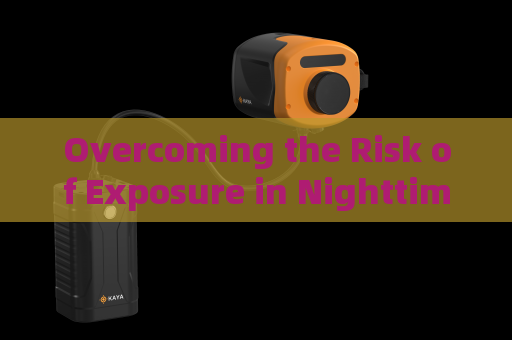
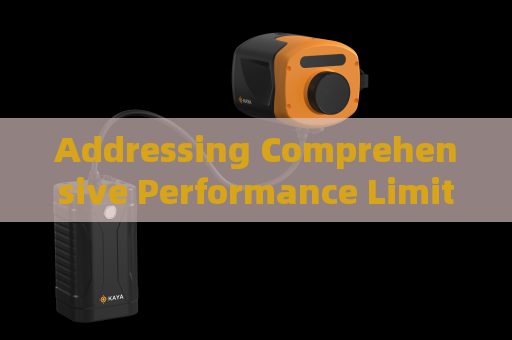
The Penetration Imager directly addresses this problem by employing laser range‑gated imaging technology. Its pulsed laser illuminator fires a short, high‑energy beam toward the target, while the intensified gated camera—equipped with an MCP image intensifier and precise timing module—opens its shutter only for the exact moment when the reflected light from the object behind the glass returns. This temporal gating effectively suppresses backscatter from the glass surface, rain droplets, and atmospheric haze, delivering a high‑contrast image of the interior. The system operates entirely within the optical spectrum, using no X‑rays, radio waves, or other non‑optical methods. It is designed solely for penetrating transparent optical media such as automotive windshields, train windows, aircraft portholes, and glass curtain walls. By maintaining a secure standoff distance—typically 50 to 200 meters—the operator can observe suspects, weapons, or improvised devices inside a vehicle without ever approaching the danger zone.
In practice, the operational workflow is straightforward. The operator sets up the Penetration Imager on a tripod or vehicle mount at a pre‑determined secure distance, aligns the optical axis with the target glass surface, and adjusts the gate delay to match the round‑trip time of the laser pulse. Within seconds, the display shows a clear, real‑time video feed of the vehicle’s interior, free from surface reflections and atmospheric interference. Field tests have demonstrated that the system can resolve facial features, hand gestures, and the outline of objects such as firearms or cell phones even through heavily tinted car windows under low‑light conditions. The ability to see through rain‑streaked glass or fog‑covered windshields further extends tactical flexibility. Crucially, the operator remains fully concealed and out of the line of fire, reducing the risk of being spotted or engaged.
The Penetration Imager’s design also accounts for dynamic environments. In a moving vehicle surveillance scenario, the system’s fast gate update rate allows continuous tracking of a target as the relative distance changes. The operator can lock onto the vehicle and maintain a persistent view of the occupants without needing to reposition. This capability transforms a previously high‑risk, close‑quarter observation task into a safe, stand‑off reconnaissance operation. By keeping the operator at a secure distance, the Penetration Imager not only preserves life but also enhances the quality of intelligence gathered—a decisive advantage in hostage negotiations, counter‑terrorism raids, and high‑threat traffic stops.