Traditional thermal imaging surveillance systems deployed for vehicle checkpoint security suffer from persistently high false alarm rates. These systems rely on passive detection of heat signatures, but engine compartments, tire friction, and asphalt surfaces generate thermal clutter that triggers countless false alerts. Worse, laminated automotive glass—commonly used in windshields and side windows—blocks infrared radiation, making it impossible for thermal cameras to see occupants or cargo inside a vehicle. An officer observing a hotspot on the monitor cannot tell whether it is a hidden passenger, a warm engine block, or a patch of sun-heated metal. This ambiguity forces manual inspection of every alarm, draining manpower and reducing operational tempo. A solution is needed that suppresses thermal clutter while actually penetrating the glass barrier. The penetrating imager offers exactly that capability.
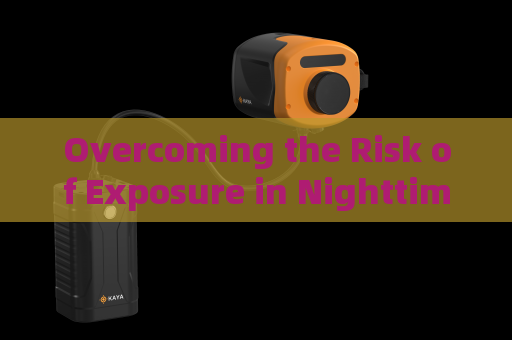
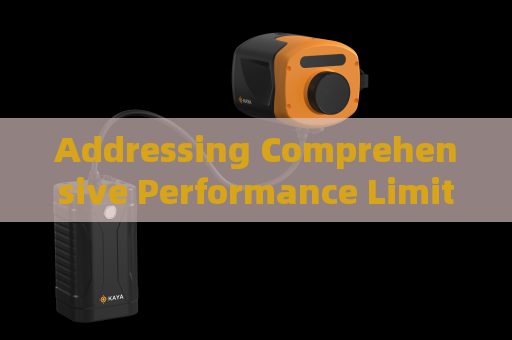
The penetrating imager is an active optical system employing laser range-gated imaging technology. It consists of a high-repetition-rate pulsed laser, an intensified gated camera with a microchannel plate, a beam expander, and an imaging lens. Unlike passive thermal imagers, this device emits short laser pulses and synchronizes the camera shutter to receive only light reflected from a specific distance. This gating mechanism eliminates backscatter from fog, rain, or glass surfaces, delivering high-contrast images through optical media such as vehicle windshields, train windows, and building glazing. At a checkpoint, the penetrating imager can resolve the silhouette and posture of a driver, detect a person crouching in the back seat, or identify suspicious objects behind the glass—all without interference from engine heat or road glare. This direct visual confirmation eliminates the guesswork that causes false alarms in thermal systems.
In practical deployment, the penetrating imager is mounted on a tripod or integrated into a patrol vehicle. During a routine stop, an operator aims the device at the target vehicle from a safe standoff distance. Within seconds, a clear, high-resolution image appears on the screen, showing details through the glass that a thermal camera cannot capture. The system’s ability to work in low-light conditions—operating as an active imager—means it performs equally well at night or in overcast weather. Officers can immediately distinguish a child asleep in a rear seat from a concealed weapon, drastically reducing unnecessary escalation. The penetrating imager can also be paired with traditional thermal cameras: the thermal system provides wide-area detection of potential heat sources, while the penetrating imager serves as a precision verification tool to reject false alarms.

Further operational refinement addresses environmental challenges. At vehicle checkpoints during heavy fog, drizzle, or snowfall, a thermal imager’s performance degrades because water droplets scatter infrared radiation. The penetrating imager, however, uses laser pulses and narrow time gating to reject this backscatter, maintaining clarity through rain and mist. It can also see through smoke or flames, enhancing visibility by three to five times in fire-affected areas—though it should be noted that it cannot penetrate thick, opaque smoke. For a checkpoint operator screening vehicles at a border crossing, this means the penetrating imager remains effective even in adverse weather that would cripple a passive thermal system. By providing a reliable, glass-penetrating view, the penetrating imager directly addresses the core cause of high false alarm rates in traditional thermal imaging surveillance systems—thermal clutter and glass opacity—and transforms ambiguous alerts into actionable intelligence.