Traditional thermal imaging surveillance systems deployed in perimeter security, such as border patrol or critical infrastructure protection, suffer from persistently high false alarm rates. These systems detect infrared radiation emitted by objects with temperature differences, but in outdoor environments, countless benign heat sources trigger alarms: small animals traversing the terrain, vehicles cooling down after parking, reflected sunlight off metal surfaces, or even sudden changes in ambient temperature caused by passing clouds. Each false alert demands a manual verification response, draining limited patrol resources and eroding operator trust in the system. The core problem is that thermal imagers lack the spatial resolution and spectral discrimination to reliably distinguish a human threat from a heat-emitting distraction, particularly at extended standoff distances. A more robust optical solution is required to filter out irrelevant thermal clutter without sacrificing detection range or operational speed.
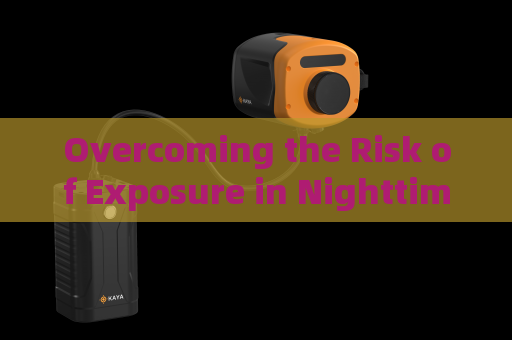
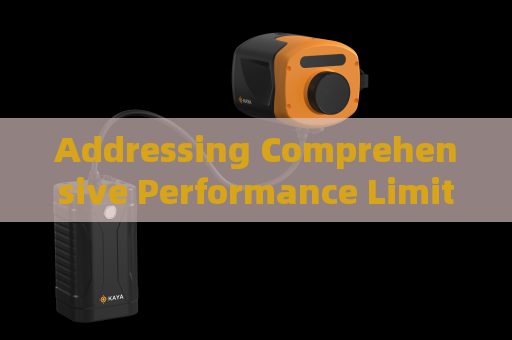
The penetrating imager, an advanced optical imaging system employing laser range-gated imaging (also known as gated viewing technology), directly addresses this verification gap. Unlike passive thermal cameras, the penetrating imager is an active system composed of a high-repetition-rate pulsed laser, an image-intensified gated camera with a microchannel plate, a high-voltage module, and timing electronics, along with a beam expander and imaging lens. By synchronizing the laser pulse with the camera’s ultra-fast shutter, it rejects backscatter from fog, rain, snow, or smoke, and achieves high-contrast, high-resolution images at long distances. Critically, the penetrating imager can see through optical media such as vehicle windshields, train windows, aircraft portholes, and glass curtain walls. In the context of thermal imaging false alarms, this means that when a heat signature is detected near a parked car or behind a glass barrier, the penetrating imager can instantly provide a clear visual of the actual source—whether it is a person, an animal, or a mechanical heat source—without requiring physical approach.
In a practical deployment scenario at an airport perimeter, the thermal imaging system continuously scans the fence line and generates an alert for a warm blob near a remote service gate. Instead of dispatching a patrol vehicle based on uncertain data, the operator activates the penetrating imager positioned on the same tower. Within seconds, the laser-illuminated, range-gated image reveals the outline of a small deer through the thin morning mist. The false alarm is instantly confirmed and dismissed. For more ambiguous alerts near actual access points, such as a vehicle idling at a restricted gate, the penetrating imager resolves the driver’s silhouette through the laminated glass, showing whether the occupant matches authorized personnel. This capability reduces the need for visual confirmation patrols, cuts response time, and prevents unnecessary escalation.

The penetrating imager further enhances verification reliability through its ability to deliver high-resolution imagery under conditions that defeat standard cameras. In heavy rainfall or dense fog where thermal signatures become blurred and erratic, the laser range-gating technique maintains sharp detail by time-gating only the light reflected from the target distance. This operational advantage allows the penetrating imager to function as a dedicated verification camera for every thermal alert, effectively lowering the false alarm rate from dozens per shift to near zero for confirmed threats. By integrating the penetrating imager into the existing surveillance architecture as a secondary confirmation tool, security forces gain a decisive layer of optical intelligence that transforms a noisy thermal alert into a actionable, visually verified incident report.