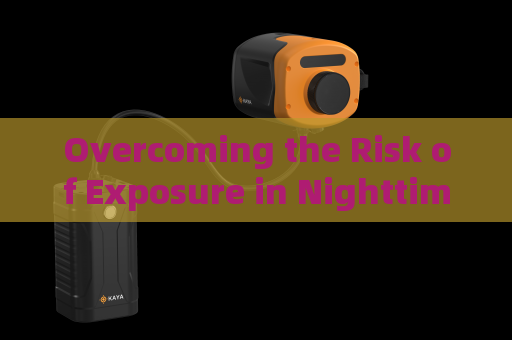
In tactical reconnaissance and close-quarters operations, the dual challenge of zero-light conditions and high-glare environments severely degrades conventional imaging systems. When operatives approach a vehicle or a structure at night, ambient illumination is often absent, forcing reliance on active illumination that risks exposure. At the same time, sudden vehicle headlights, floodlights, or even a suspect’s tactical flashlight can overwhelm standard sensors, causing bloom, saturation, or permanent damage to the detector. The need to observe through windshields or windows adds another layer of difficulty: reflections from glass surfaces in high-glare conditions create ghosting and reduce contrast, while the glass itself scatters or absorbs weak ambient light. Traditional night vision devices amplify existing light but fail in total darkness without an infrared illuminator, and that illuminator is easily detected by adversaries using night vision goggles. The operational window for safe, covert observation is thus extremely narrow, pushing tactical teams into dangerous close approaches or reliance on less reliable alternative methods. This performance limit—simultaneously handling zero-light, high-glare, and glass obstructions—demands a fundamentally different imaging solution.
The penetrating imager directly addresses this scenario through laser range-gated imaging technology. Unlike passive cameras or standard active IR systems, the penetrating imager uses a high-repetition-rate pulsed laser synchronized with an image-intensified gated camera. By emitting extremely short laser pulses and opening the camera’s electronic shutter only when the reflected pulse returns from a precise target distance, the system rejects all light outside that narrow time window. This effectively eliminates the influence of bright point sources—such as headlights or glare—that arrive at different times or from different ranges. The laser wavelength is typically in the near-infrared, invisible to the naked eye, and the gated operation prevents the camera from ever seeing the overwhelming glare. Furthermore, because the penetrating imager is an active system with a controlled illumination source, it operates independently of ambient light, providing clear imagery in complete darkness. Crucially, the system is designed to penetrate optical media: the short-pulse laser can pass through automotive glass, aircraft windows, and glass facades with minimal attenuation, while the gated receiver ignores backscatter from the glass surface itself. This combination—active illumination, time-gated rejection of glare, and glass penetration—solves the triple constraint that defeats all other imaging modalities.
In a practical tactical application—such as an approach to a suspected vehicle with occupants during a nighttime high-risk stop—the penetrating imager allows an operator to remain at a safe standoff distance, typically 50 to 200 meters. The operator aims the unit’s imaging lens and laser beam at the vehicle’s windshield or side windows. A simple range adjustment dial sets the gate delay to the distance of the intended target plane (e.g., the interior seats). The image displayed on the eyepiece or monitor shows a high-contrast, glare-free view of the occupants, their hands, any objects on seats, and even through tinted windows. If a suspect inside switches on an interior light or a floodlight on the vehicle, the system continues to produce a clean image because the glare pulse arrives at a different time than the laser pulse from the target. The operator does not need to change any settings; the gating process is automatic after initial range selection. This capability reduces the need for multiple backup sensors, streamlines equipment carried, and shortens decision-making time.
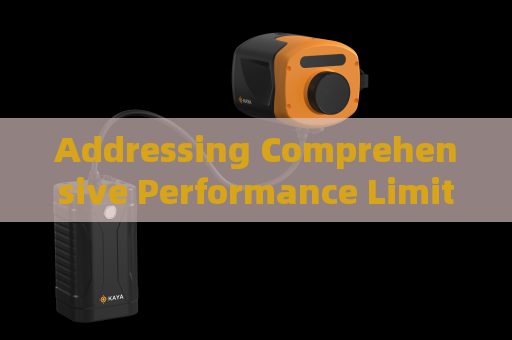
Further operational details reinforce the penetrating imager’s suitability for extreme tactical scenarios. During hostage negotiations or barricade situations at night, the unit can be mounted on a tripod or vehicle platform for steady observation. The high pulse repetition rate (typically kilohertz) and the microchannel plate (MCP) image intensifier provide a live video feed with sub-nanosecond timing precision, meaning motion blur is minimal even with moving subjects. The system’s resistance to countermeasures is notable: because the laser pulse is extremely short and the receiver is closed except for a few nanoseconds per pulse, an adversary cannot detect the laser by standard light detectors unless directly in the beam path—and even then, the pulse is too brief for most sensors to respond. Additionally, the penetrating imager’s ability to see through fire-damaged glass or fogged windows (common in vehicle fires or harsh weather) expands its utility beyond zero-light and high-glare to include smoke, rain, and fog—though it does not penetrate thick smoke or non-optical barriers. For tactical teams operating in urban environments where vehicles and glass-fronted buildings dominate, the penetrating imager eliminates the performance limits that have historically forced compromises between night vision, glare tolerance, and window penetration. Its integration into standard reconnaissance gear marks a genuine leap in operational capability for the most demanding zero-light, high-glare tactical environments.