In low-light imaging environments, law enforcement and security personnel face a persistent challenge: acquiring high-definition data from within vehicles during nighttime operations. Standard optical cameras struggle with insufficient ambient light, while headlights or street lamps often create glare on windshields and side windows. Vehicle window tinting further degrades image quality, turning critical visual intelligence into blurry silhouettes or washed-out reflections. This scenario is particularly acute during traffic stops, covert surveillance, or hostage rescues where the subject remains inside a car. The inability to clearly see occupants, objects in the cabin, or concealed threats beneath seats directly compromises situational awareness and operational safety. Traditional night vision devices amplify existing light but cannot mitigate the backscatter and reflections from glass surfaces, leaving a gap in high-definition data acquisition under such constrained conditions.
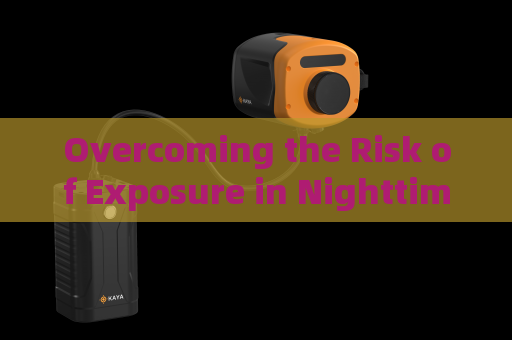
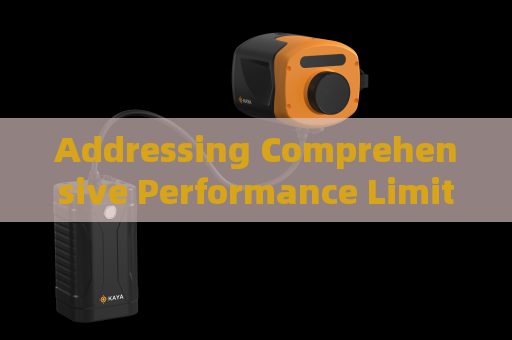
The penetrating imager directly addresses this pain point through its laser range-gated imaging technology. Unlike passive systems, this active imaging instrument consists of a high-repetition-rate pulsed laser, an image-intensified gated camera with an MCP intensifier, a high-voltage module, and precise timing components. By emitting short-duration laser pulses and synchronizing the camera’s electronic shutter to receive only the light reflected from the target at a specific distance, the penetrating imager effectively suppresses backscatter caused by glass, fog, rain, or snow. This enables the system to capture clear, high-contrast images through optical media such as vehicle windows, aircraft portholes, or glass facades. The device’s high resolution and strong anti-interference capability ensure that even in near-total darkness, details like a suspect’s hand movement, the shape of a weapon, or the outline of a hidden container are rendered with exceptional clarity.
In practice, an operator deploys the penetrating imager by mounting it on a tripod or vehicle platform, aiming the expanded beam and imaging lens at the target window. The gate width and delay are adjusted based on the distance to the vehicle interior, which takes only seconds with modern electronic controls. During a nighttime surveillance operation, the system can peer through heavily tinted rear windows to verify the number of occupants and identify any visible items on seats. The resulting high-definition data is streamed to a handheld monitor or recorded for later analysis, providing actionable intelligence without requiring the subject to exit the vehicle. This non-invasive approach preserves the element of surprise and reduces the risk of escalation. Under rainy or foggy conditions, the penetrating imager maintains its effectiveness, boosting visibility through obscurants by rejecting scattered background light and focusing exclusively on the target plane.

The utility of the penetrating imager extends to monitoring vehicle interiors during static checkpoints or high-risk warrant services. Officers can assess whether a driver is reaching for a weapon, hiding contraband, or attempting to destroy evidence—all from a safe standoff distance. The system’s ability to operate in extreme low light, combined with its freedom from external illumination that might alert suspects, makes it an indispensable tool for tactical teams. High-definition data acquisition under these demanding environmental conditions is no longer a theoretical aspiration but a field-proven capability, achieved by leveraging the physics of range-gated imaging to selectively capture the scene behind glass while rejecting atmospheric and surface interference.