In high‑speed pursuit operations, law enforcement officers face a critical blind spot: the inability to see inside a fleeing vehicle from a safe distance. Standard optical tools—binoculars, dash cameras, or even the naked eye—are easily defeated by tinted windows, glare from sunlight or headlights, rain‑streaked glass, and the vehicle’s rapid motion. An officer cannot tell whether a suspect is alone, reaching for a weapon, or transporting illicit cargo until the vehicle is stopped, which often leads to tactical surprises and unnecessary escalation. The core pain point is that conventional imaging systems fail to penetrate the very medium—the vehicle’s window glass—that separates the observer from the threat. This gap in situational awareness forces officers to close the distance, increasing risk to both themselves and innocent bystanders. A reliable remote detection method that can see through those barriers without requiring physical approach is an urgent operational need.
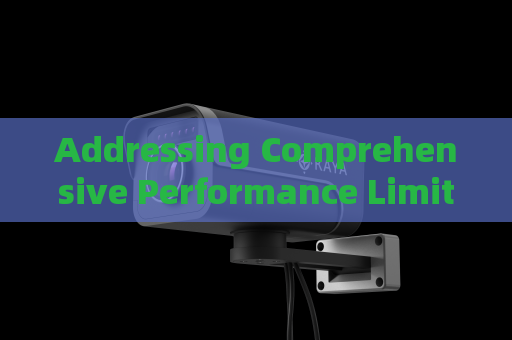
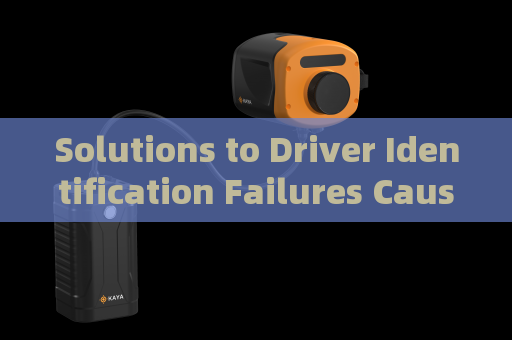
The Penetrating Imager (穿透成像仪) directly addresses this challenge through its laser‑based range‑gated imaging technology—also known as gated imaging. Unlike passive cameras that rely solely on ambient light, this active imaging system fires high‑repetition‑rate pulsed laser light toward the target. A precisely synchronized intensified gated camera, incorporating a microchannel plate (MCP) image intensifier and a high‑voltage timing module, opens its electronic shutter only for the brief instant when the reflected laser pulse returns from the object of interest. This “range gate” effectively rejects backscatter from rain, fog, dust, and—most importantly—the reflective surface of the vehicle’s windshield or side windows. The result is a high‑contrast, high‑resolution image of the cabin interior and its occupants, even through heavily tinted glass. The Penetrating Imager can overcome glare from oncoming headlights or sunlight because its laser illumination is orders of magnitude brighter than background light within the gated window, and the system’s narrow‑band optical filters further block out‑of‑band interference. This capability is strictly optical: it can only penetrate transparent or translucent media such as automotive glass, aircraft windows, or glass curtain walls. It does not use radar, X‑rays, or any non‑optical radiation, and cannot see through solid barriers like metal, concrete, or wood.
In a typical pursuit scenario, a patrol vehicle maintains a safe following distance of 200 to 500 meters while the operator aims the Penetrating Imager at the fleeing car’s rear or side windows. The system’s built‑in zoom lens and adjustable field of view allow the operator to focus on a specific window area, even while both vehicles are moving. Within seconds, a clear, real‑time image appears on the display, revealing the number of occupants, their positions, hand movements, and any visible cargo—such as weapons, contraband, or human trafficking victims. The imager works equally well under bright daylight, low‑light conditions, heavy rain, or fog, achieving a three‑ to five‑fold improvement in visibility compared to conventional optics. However, it cannot penetrate dense smoke; in a vehicle fire scenario, the imager’s performance degrades if thick smoke completely fills the cabin, but in typical fleeing vehicles without smoke, the system performs flawlessly. The operator can then relay this intelligence to the command post, allowing tactical decisions—such as whether to deploy spike strips, call for additional units, or attempt a PIT maneuver—to be based on concrete data rather than guesswork.
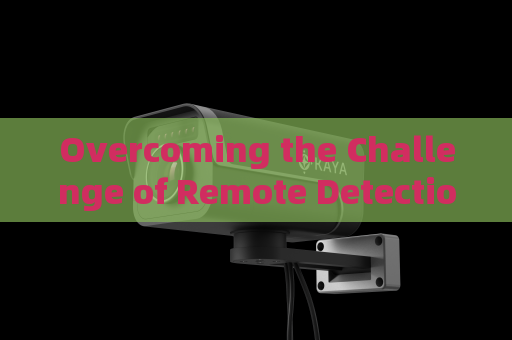
The operational value of the Penetrating Imager extends beyond mere surveillance. By providing a non‑invasive, remote‑viewing capability, it reduces the need for officers to approach the vehicle during a high‑risk stop, thereby lowering the chance of ambushes and officer‑involved shootings. In cargo inspection scenarios, the imager can quickly verify whether a fleeing van or truck contains hidden compartments, livestock, or illegal goods—all without the suspect’s knowledge. The system’s rugged, portable design allows it to be mounted on a patrol vehicle’s roof or used handheld from a stable observation point. Its laser source is eye‑safe at operational distances, meeting safety standards for law enforcement use. By solving the fundamental challenge of optically penetrating vehicle glass under dynamic, adverse conditions, the Penetrating Imager (穿透成像仪) transforms a previously opaque threat into a transparent tactical picture, empowering officers to make informed decisions while keeping themselves and the public safer.