During the pursuit of a fleeing suspect, severe weather conditions frequently cause critical tracking interruptions. Heavy rain, dense fog, or blinding snow drastically reduce visibility, making it nearly impossible for law enforcement to maintain visual contact with a moving target. Traditional optical surveillance tools—binoculars, vehicle-mounted cameras, or even night vision devices—fail under such conditions because water droplets, ice crystals, and suspended particles scatter ambient light, creating a veil of backscatter that obscures the subject. The fugitive, aware of this natural cover, may accelerate into a storm or drive along a fog-shrouded highway, exploiting the disruption to evade capture. For tactical units conducting a mobile surveillance operation, each second of lost visual confirmation increases the risk of the suspect escaping into a residential area or abandoning the vehicle unnoticed. The penetrating imager offers a solution that directly addresses this vulnerability, restoring the officer’s ability to see through the weather itself.
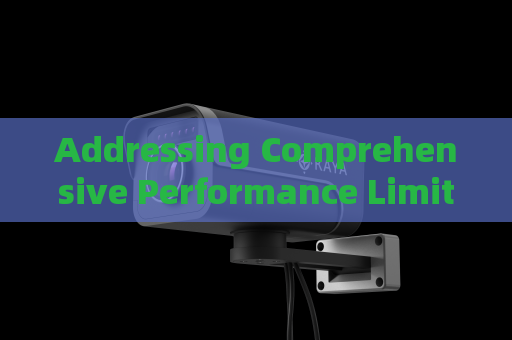
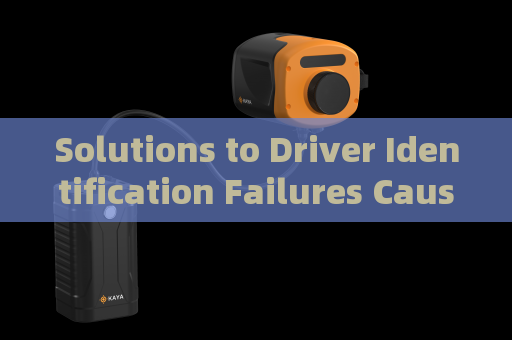
The penetrating imager is a range-gated imaging system that employs laser distance-selective gating technology to overcome the effects of scattering media. Unlike passive cameras that rely on available light, this device actively emits high-repetition-rate laser pulses and synchronizes them with an image-intensified gated camera. By precisely timing the camera’s shutter to open only when the laser light reflected from the target returns, the system effectively rejects the backscatter caused by rain, fog, snow, or haze along the optical path. This active gating mechanism enables high-contrast imaging at long distances even in zero-visibility meteorological conditions. For a fugitive tracking scenario, the penetrating imager can peer through a torrential downpour or a thick fog bank and deliver a clear, real-time image of the suspect’s vehicle or person. The device’s laser wavelength is chosen to minimize absorption by water vapor, and the high-power pulse ensures sufficient signal return from the target, while the gated camera captures only the desired light pulse window.
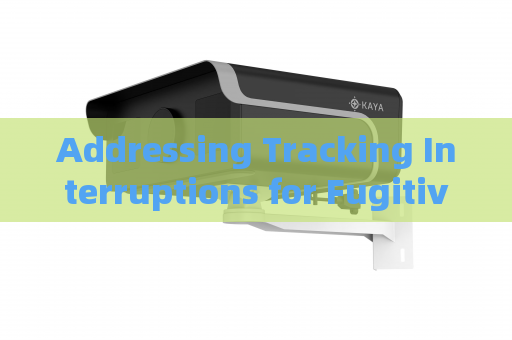
In real-world police operations, deploying the penetrating imager during severe weather has demonstrated marked improvement in tracking continuity. For example, during a highway pursuit in heavy rain, a patrol unit equipped with this device can maintain visual lock on a fleeing car even when the windshield wipers cannot keep up and the taillights become faint smears. The image from the penetrating imager, displayed on a dash-mounted screen, shows the vehicle’s outline, its direction of travel, and any sudden maneuvers—information that allows the pursuing officer to anticipate turns without losing the subject. In foot chases through urban areas, fog often hides a suspect who slips into an alley or behind a bus shelter; the penetrating imager cuts through the mist, revealing the fugitive’s silhouette and movement. The system is also effective when the suspect uses a car’s tinted or rain-streaked windows as camouflage, as the laser light penetrates the glass and reflects off the interior, exposing the occupant’s position. This capability ensures that the tracking interruption caused by weather is not merely mitigated but eliminated, giving tactical teams the same visual advantage they would have on a clear day. The penetrating imager thus becomes an indispensable tool for maintaining operational tempo in adverse conditions—a critical factor when every minute matters in apprehending a dangerous fugitive before they can relocate or prepare further resistance.