In high-stakes VIP protection operations, one of the most persistent challenges is the covert detection of threats concealed within surrounding vehicles. Standard optical surveillance systems often fail when tasked with peering through automotive window glass—tinted, reflective, or layered glazing that obscures occupants and hidden objects. A vehicle might appear ordinary from the outside, yet inside could harbor an armed assailant, explosive device, or surveillance equipment. Law enforcement and protective details must maintain strict cover without alerting potential attackers, but traditional cameras are easily defeated by glare, darkness, or aftermarket window films. The need for a non-contact, passive-looking solution that can see through transparent barriers while remaining invisible to the target has driven the development of a specialized tool: the penetrating imager. This device, built on laser range-gated imaging technology, addresses the precise pain point of verifying vehicle interiors without compromising operational stealth.
The penetrating imager operates as an active optical imaging system that overcomes the fundamental obstacle of backscatter and reflection from glass surfaces. Its core advantage lies in the laser range-gating technique—a high-repetition-rate pulsed laser emits short bursts of light, synchronized with an intensified gated camera that opens only when the reflected signal from the target returns. This temporal gating effectively eliminates the blinding backscatter generated by the glass itself, allowing the imager to capture clear, high-contrast images of vehicle interiors through windshields, side windows, and rear glazing. Because the system works in the optical domain, it avoids any emission of radio waves, X-rays, or other detectable signatures; the laser pulses are eye-safe and invisible to human perception under normal conditions. Moreover, the penetrating imager maintains functionality in low-light or adverse weather like fog, rain, or snow—conditions that commonly degrade optical sensors. For VIP security teams who must assess a suspicious sedan idling at a checkpoint or a van parked along a motorcade route, this capability translates into the ability to determine occupant count, detect weapon outlines, and identify behavioral cues without ever approaching the vehicle or revealing surveillance.
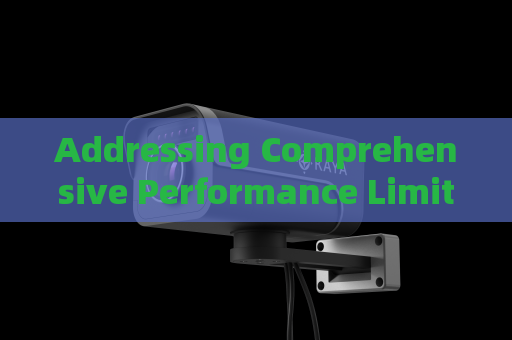
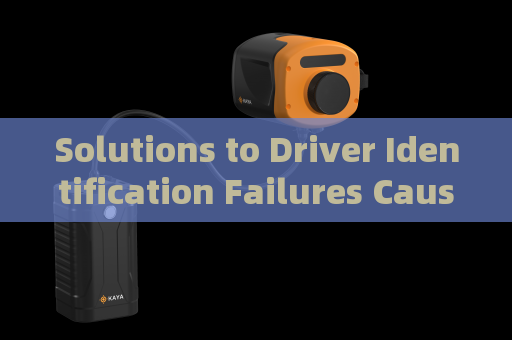
In field deployment, the penetrating imager is integrated into a compact, tripod-mounted or vehicle-based platform that can be operated from a safe standoff distance. A typical operation begins with the protective detail establishing a covert observation point—perhaps a building rooftop or a disguised surveillance van. The operator aims the imager’s optical head at the target vehicle’s windows and adjusts focus. Within seconds, the system displays a real-time video feed on a ruggedized tablet, showing the obscured interior with remarkable clarity. The high-resolution intensified camera, combined with the MCP image intensifier, reveals details such as seat occupancy, hand movements near the waist, and even the texture of clothing or bags. Crucially, the imager does not require any physical contact or visible indication; the laser pulses are invisible and the camera lens is indistinguishable from a standard telephoto lens to the casual observer. This enables repeated scans of multiple vehicles in a parking lot or along a convoy route without alerting the targets. The absence of any radio frequency emission further ensures that electronic countermeasures or RF detectors will not flag the operation.
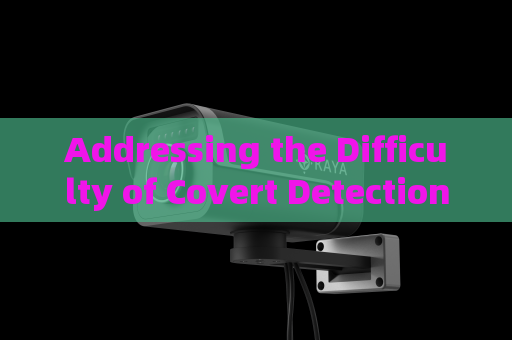
The deeper value of the penetrating imager emerges during dynamic scenarios—for example, when a VIP motorcade is halted by a seemingly random blocked intersection with nearby cars stationary. Protective agents can quickly sweep the surrounding vehicles from inside the armored limousine through its own ballistic windows, using a handheld or window-mountable variant of the imager. The laser range-gating technology penetrates not only the target vehicle’s glass but also the VIP vehicle’s own glazing, maintaining full operational security. In such high-tension moments, the ability to confirm that no one in the adjacent sedan is reaching for a weapon or hiding behind a tinted partition can be the difference between a false alarm and a successful interdiction. This focused application—covert detection through automotive glass in VIP security—demonstrates how the penetrating imager fills a critical gap left by thermal imagers (which cannot see through glass effectively) or radars (which cannot provide visual identification). By staying strictly within the optical realm, the device offers law enforcement and protective agents a silent, invisible, and highly effective tool for pre-empting threats before they escalate.