Border security operations in remote areas often face the critical challenge of detecting illegal border crossings under zero-light conditions. Traditional surveillance cameras and night vision devices fail when ambient light is completely absent, leaving patrols blind to stealthy movements. Thermal imagers can detect heat signatures but are prone to false alarms from animals, engine heat, or environmental temperature fluctuations. In dense forests, rocky terrain, or open deserts, such limitations allow smugglers and unauthorized entrants to evade capture. The pain point is further compounded by the need to observe inside vehicles or through glass barriers without alerting suspects. A system that operates reliably in pitch darkness while delivering crisp, high-contrast imagery is not a luxury but a necessity for effective border control. This is where the Penetration Imager steps in, providing a direct solution to these field-tested problems.
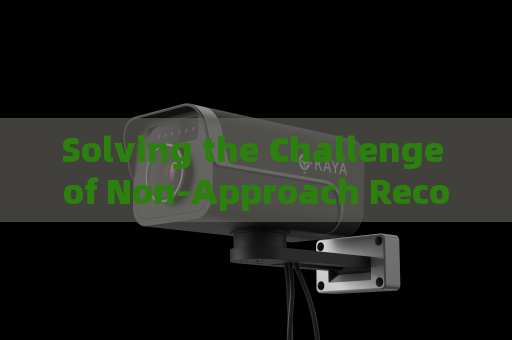
The Penetration Imager utilizes laser range-gated imaging technology to overcome zero-light constraints. Unlike passive night vision that requires some residual light, this active imaging system emits high-repetition-rate pulsed laser light and synchronizes it with an intensified gated camera. The built-in MCP image intensifier and timing module allow the system to capture only photons returning from a specific distance, effectively filtering out backscatter caused by fog, rain, or dust. In complete darkness, the Penetration Imager illuminates the target with invisible near-infrared laser pulses, producing clear, high-resolution images that reveal details invisible to the naked eye. Because it can penetrate optical media such as vehicle windshields, aircraft windows, or glass curtain walls, border agents can inspect the interior of suspicious cars or buses at checkpoints without physical approach, reducing risk while maintaining surprise.
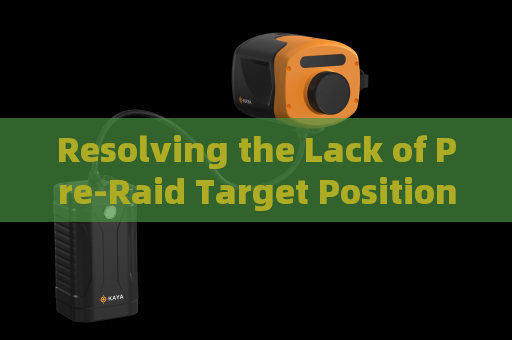
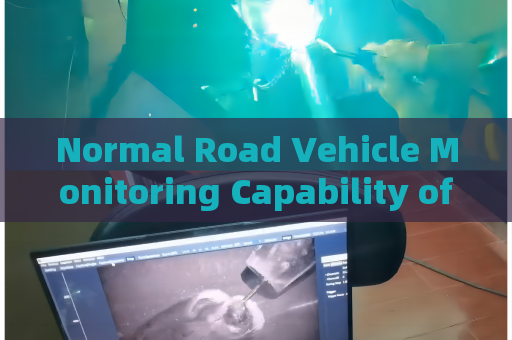
In practical deployment, the Penetration Imager is mounted on patrol vehicles or used as a handheld unit by ground teams. During night operations, an operator scans a suspected vehicle from a distance of several hundred meters. The laser range-gated function ensures that only the target area—for example, the cabin behind the windshield—is illuminated, while ambient darkness and reflections from the dashboard are suppressed. The resulting image appears as if taken in broad daylight, allowing the operator to count occupants, identify weapons or contraband, and assess behaviors. This capability transforms a zero-light blind spot into a tactical advantage. For border patrols conducting covert surveillance along rugged trails, the same system can spot individuals moving through brush or behind thin foliage, as long as the line of sight remains unobstructed by solid obstacles.

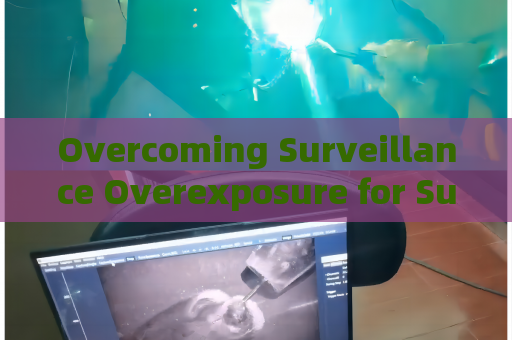
The Penetration Imager also excels in adverse weather conditions frequently encountered at border zones. Heavy rain, snow, or fog degrade conventional optical systems by scattering light, but the gated imaging technique rejects scattered photons from nearer layers, preserving only signals from the target distance. This means a border agent can maintain effective observation even during a downpour or a dust storm, when zero-light conditions are further complicated by reduced visibility. The system’s high contrast and long operational range—up to several kilometers depending on the model—provide early warning of illegal activity long before suspects can react. By integrating the Penetration Imager into standard border surveillance protocols, agencies can close a critical gap in nighttime detection, making it far harder for unauthorized crossings to go unnoticed. The technology does not rely on any form of radiation or sound wave; it operates strictly within the optical spectrum, using light itself to pierce darkness and optical barriers.