When severe weather conditions such as heavy rain, dense fog, or blizzards strike, law enforcement tracking operations face a critical vulnerability. Traditional optical surveillance systems—including standard CCTV cameras, binoculars, and telescopic lenses—suffer from severe performance degradation caused by atmospheric scattering and occlusion. Raindrops, snowflakes, and fog particles act as diffusive barriers, scattering visible light and reducing contrast to near zero. For fugitives, these conditions provide an ideal cover to evade visual detection, breaking the chain of continuous tracking. The core pain point is the inability of conventional imaging to maintain a clear line of sight through precipitation or airborne moisture, leading to lost visual contact at the very moment when apprehension becomes most urgent. This tracking interruption not only compromises operational safety but also allows suspects to slip into urban or wilderness environments undetected. A solution that can penetrate these optical obstacles without relying on non-optical technologies is urgently needed. This is where the Penetrating Imager, a specialized active imaging system, offers a transformative capability.
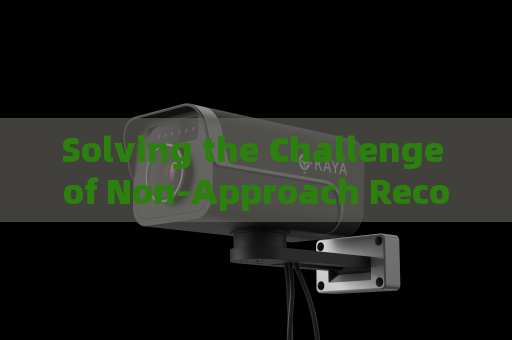
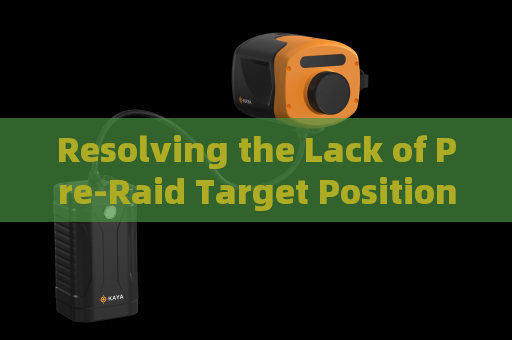
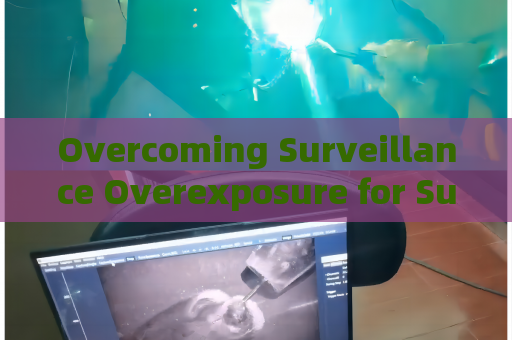
The Penetrating Imager employs laser range-gated imaging technology, also known as gated imaging, to selectively capture light reflected from the target while rejecting backscatter from intervening media. Unlike passive cameras that struggle with scattered light, this system uses a high-repetition-rate pulsed laser as an illumination source and a gated intensified camera that opens its shutter only when the laser pulse returns from the desired distance. By precisely timing the gate, the imager effectively "strips away" the scattering effects of rain, snow, fog, and haze, delivering sharp, high-contrast images even through thick precipitation. Its ability to see through optical media such as vehicle windshields, train windows, aircraft portholes, and glass curtain walls makes it exceptionally suited for tracking fugitives in motor vehicles during storms. The system does not rely on rays, radiation, or radio waves; it works purely within the optical domain, using controlled laser light to overcome the backscatter that defeats conventional optics. This active approach ensures robust performance in low-light and adverse weather, providing law enforcement with a reliable visual feed when traditional cameras fail.
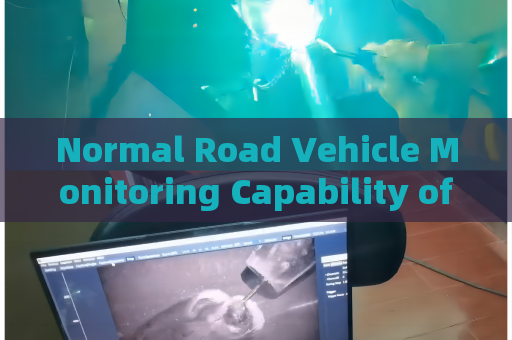
In practical field applications, the Penetrating Imager has demonstrated its value during severe weather pursuit scenarios. For example, during a heavy downpour that reduced visibility to less than fifty meters, a fugitive vehicle attempted to evade aerial and ground surveillance by speeding through urban streets. Standard helicopter cameras and dashboard-mounted optics produced only a blur of rain streaks and taillights. Deploying a Penetrating Imager mounted on a mobile command unit allowed operators to see through the rain curtain and the vehicle's tinted rear windshield simultaneously. The imager's gate was adjusted to match the distance of the target, suppressing the bright scattering from raindrops closer to the sensor. This produced a crisp image of the fugitive driver and passengers, enabling real-time tracking and coordination with intercept units. The system's long operational range—hundreds of meters under moderate precipitation—ensured continuous coverage even when the target changed direction or speed. The imager's ability to function in fog and snow further extends its utility in varied climates, providing a consistent tracking tool that does not waver with changing weather patterns.
The operational protocol for integrating the Penetrating Imager into fugitive tracking is straightforward yet requires trained personnel. The imager is typically mounted on a stabilized platform—either on a ground vehicle, a drone, or a fixed observation post. The operator selects the range gate based on initial target distance, often confirmed by radar or laser rangefinder. As the fugitive moves, the gate is dynamically adjusted either manually or via automated tracking algorithms that compute range changes. In severe blizzard conditions, where snowflakes can completely obscure a suspect hiding near a building, the imager's high resolution and contrast enhancement reveal details such as clothing color or facial features through glass windows up to a few hundred meters away. The technology is strictly limited to optical media: it cannot see through walls or solid barriers, but within its domain—weather-permeable surfaces and transparent barriers—it provides an unprecedented continuity of visual intelligence. This capability eliminates the tracking interruption that previously forced law enforcement to rely on alternative, less reliable sensors or ground searches, ultimately reducing the time to capture and increasing officer safety during extreme weather operations.