Overcoming Surveillance Overexposure for Suspicious Vessels Under Severe Port Backlight with Strong Light Suppression Imaging
Port surveillance operators face a persistent challenge when monitoring suspicious vessels approaching or maneuvering within harbor channels during late afternoons or bright sunny days. The intense backlight from the sun reflecting off the water surface creates extreme dynamic range conditions that overwhelm conventional optical cameras. In such scenarios, the silhouette of a vessel becomes completely lost in glare, while details like hull markings, deck activity, or even the presence of personnel are washed out by overexposure. This problem is especially acute for law enforcement and maritime security teams who need to identify potential threats—smugglers, unauthorized intruders, or vessels engaged in illegal transshipment—before they reach critical infrastructure. Standard surveillance systems struggle to simultaneously capture both the bright sky background and the shadowed vessel, resulting in unusable footage that compromises situational awareness. The inability to suppress strong light interference directly hinders timely threat assessment and response.
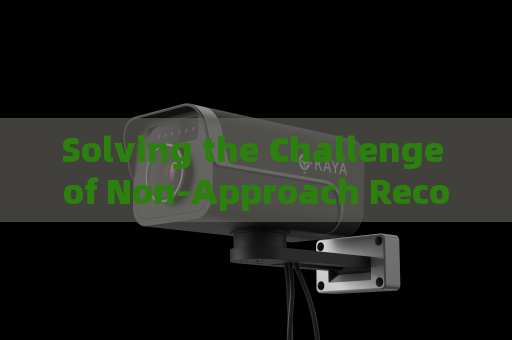
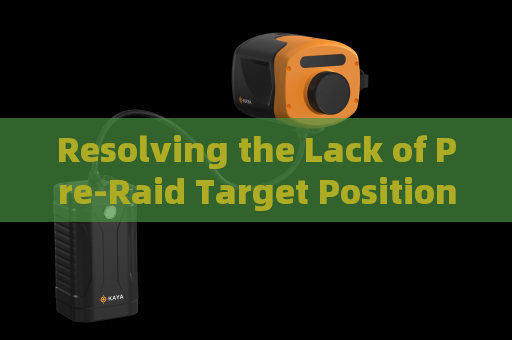
A penetration imager based on laser range-gated imaging technology provides a direct solution to this overexposure dilemma. Unlike passive cameras, this active imaging system emits high-repetition-rate pulsed laser illumination and synchronizes an intensified gated camera to receive only the light reflected from the target within a precise distance window. The key is the “gate”—a nanosecond-scale shutter that opens only when the laser pulse returns from the vessel of interest, while the overwhelming ambient sunlight arriving from the background is effectively blocked. This time-domain filtering mechanism allows the penetration imager to suppress severe port backlight by several orders of magnitude, delivering high-contrast images of suspicious vessels even when they are directly against the glare of the setting sun. The system’s built-in MCP image intensifier and high-voltage module further enhance signal-to-noise ratio, ensuring that fine details such as registration numbers, rigging lines, or unusual cargo hatches remain visible.
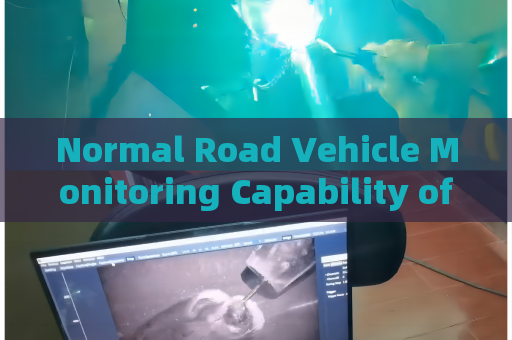
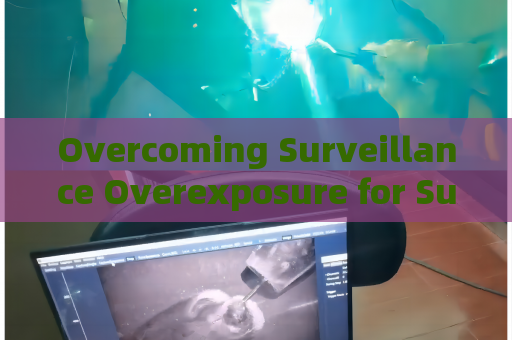
In operational deployment at a busy commercial port, the penetration imager is mounted on a fixed tower or mobile patrol vehicle overlooking the anchorage area. Operators simply point the unit toward the target vessel and adjust the range gate to match the estimated distance—typically between 500 meters and 2 kilometers. The system’s built-in timing module automatically calculates the laser pulse round-trip time, so no manual ranging is required beyond an initial input. Once locked, the real-time video feed displays a crisp, glare-free image of the vessel, with the surrounding water and sky rendered dark due to the gate’s rejection of background light. This allows security personnel to zoom in and inspect deck details, count individuals, or verify cargo manifests without being blinded by the backlight. The strong light suppression imaging capability remains effective even during rapid relative movement, such as when the suspicious vessel is turning or accelerating, because the gate can be continuously updated via tracking algorithms.
Further refinement of the technique involves integration with existing port surveillance networks. The penetration imager outputs standard video streams that feed into command center consoles, where operators can overlay the clear vessel images onto radar or AIS tracks for comprehensive situational reasoning. In cases where multiple vessels are clustered near the backlight zone, the laser spot diameter can be adjusted via the beam expander to cover a wider field of view, while the gating window is swept through different depths to isolate each target. This prevents cross-reflection from nearby hulls or choppy waves from introducing noise. The entire operation is conducted under strict safety protocols—the laser power is eye-safe at operational distances, and the system automatically disables emission if the beam path is obstructed. By overcoming surveillance overexposure for suspicious vessels under severe port backlight, the penetration imager equips maritime law enforcement with a reliable tool to maintain harbor security without dependence on favorable lighting conditions.