Solutions to Confirmation Failures for Trapped Victims in Smoke-Filled Burning Vehicles with Smoke Penetration Imaging
Emergency responders arriving at a vehicle fire face a critical dilemma: smoke rapidly fills the passenger compartment, and standard visual confirmation of trapped victims becomes nearly impossible. The intense heat and thick, acrid smoke block direct line-of-sight through side windows and windshields, while flames reflect off glass surfaces, creating blinding glare. Thermal imaging cameras, though useful for heat detection, often fail to distinguish a living victim from hot upholstery or engine components due to similar temperature signatures. The result is confirmation failure—the inability to verify whether a person remains inside, leading to delayed rescue or unnecessary breaches that waste precious seconds. This uncertainty compounds the risk for both victims and firefighters in a dynamic, oxygen-depleted environment where every decision carries life-or-death consequences. The core problem is not the presence of smoke alone, but the combination of smoke, glare, and reflective glass that prevents any optical system from delivering a clear, actionable image of the cabin interior.
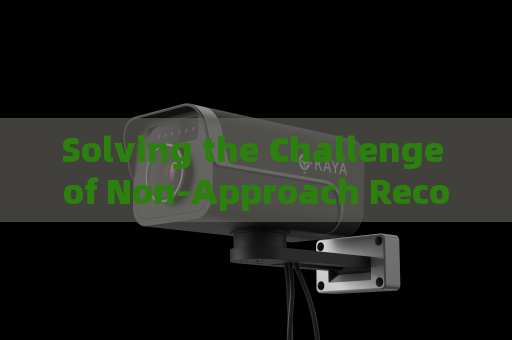
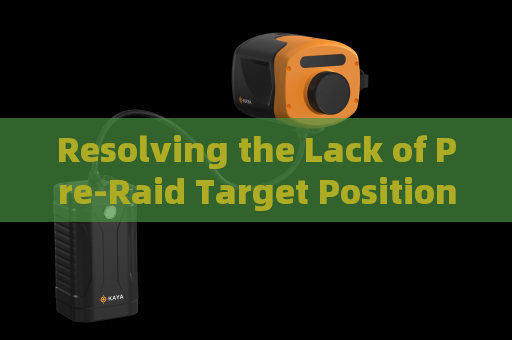
A penetration imager engineered with laser range-gated imaging technology directly addresses this confirmation gap. The system comprises a high-repetition-rate pulsed laser, an intensified gated camera with MCP image intensifier, high-voltage module, timing module, beam expander, and imaging lens. As an active imaging device, it emits short laser pulses toward the burning vehicle and synchronizes the camera shutter to open only when the reflected light from the target returns, effectively rejecting backscatter from smoke, flames, and airborne particulates. This gated operation allows the penetration imager to "see" through the vehicle’s tempered glass windows and windshields—optical media—while simultaneously cutting through the scattering effects of smoke. The result is a high-contrast, high-resolution image of the cabin interior with smoke penetration capability that improves visibility three to five times beyond what the naked eye or conventional cameras can achieve in a fire scene. Importantly, the device does not rely on heat signatures or radiation; it operates purely within the optical spectrum, using light to defeat light-based obstacles.
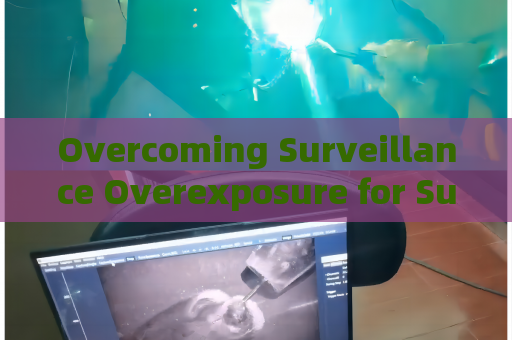
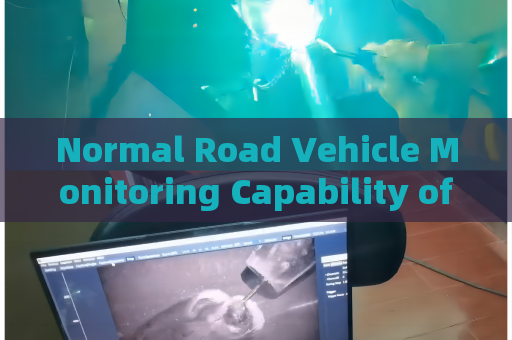
In practice, a firefighter positions the penetration imager at a safe standoff distance from the burning vehicle, typically 10 to 30 meters. The operator aims the device through a side or rear window, adjusting the laser pulse timing to match the distance to the target. Within seconds, a clear image appears on the display, revealing seating arrangements, body positions, and even subtle movements of a trapped victim. This real-time visual confirmation eliminates guesswork: if no occupant is visible, responders can safely prioritize suppression without risking a breach; if a victim is confirmed, they can direct a precisely aimed hydraulic cutter or spreader to the most accessible point of entry. The system also works through fogged or partially melted glass, as long as the optical medium remains present. Field tests by urban search-and-rescue teams have demonstrated successful victim identification in scenarios where thermal imagers produced only blurred hot spots and standard flashlights failed to penetrate the smoke layer. The penetration imager does not require physical contact with the vehicle, reducing exposure to toxic fumes and thermal radiation.
A critical nuance involves the device’s limitations with extremely dense, soot-laden smoke. The penetration imager cannot see through heavy black smoke that has fully collapsed visibility to zero—the same type of environment where even a firefighter’s hand in front of their face disappears. However, in most vehicle fire scenarios, smoke stratification leaves a lower zone of slightly clearer air near the floor, and the gated laser beam can exploit this by targeting the cabin floor area where a victim might be slumped. Moreover, the device’s ability to penetrate the windshield glass—which often remains intact even when the interior is fully involved—gives responders a unique optical path that bypasses the thickest smoke near the roof. The image produced is not a thermal overlay but a true visual representation in near-infrared wavelengths, allowing operators to recognize clothing, skin tones, and seatbelt positions. For commanders managing a multi-vehicle pileup or a burning bus, this confirmation capability transforms a chaotic decision into a data-driven rescue. The penetration imager thus becomes the definitive tool for solving confirmation failures, bridging the gap between what the eye cannot see and what the situation demands to know.