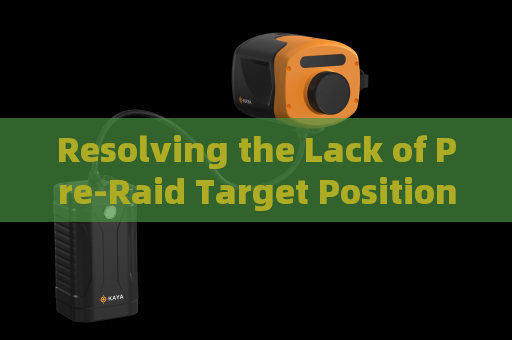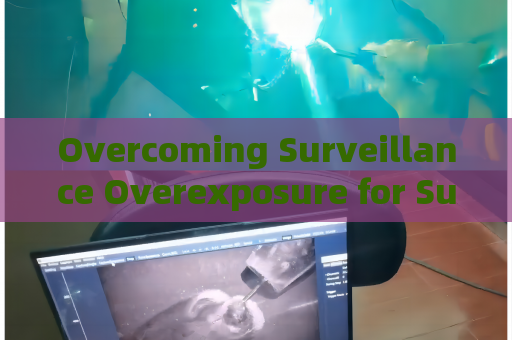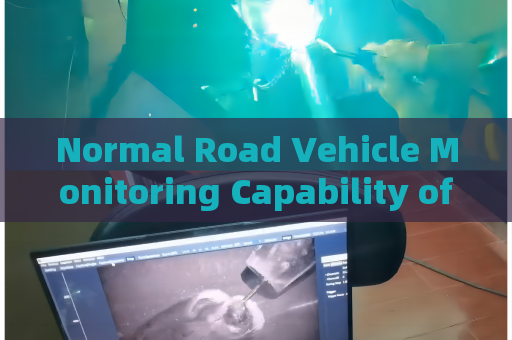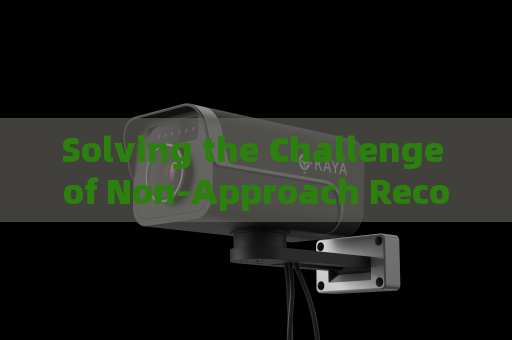
Solving the Challenge of Non-Approach Reconnaissance for Tinted Vehicles with Hidden Occupants with Through-Window Imaging Law enforcement officers routinely encounter vehicles with heavily tinted windows during traffic stops, checkpoint screenings, or suspicious vehicle surveillance. The occupants remain completely invisible from the outside, creating a dangerous blind spot. Approaching such a vehicle to peer through the glass or knock on the window exposes officers to ambush, as hidden individuals may be armed or hostile. Traditional optical devices like binoculars or standard cameras fail against dark tinting, while thermal imagers detect heat signatures but cannot distinguish facial features or identify weapons through glass. This gap forces tactical teams to rely on verbal commands or risky close-quarters checks, turning a routine stop into a high-stakes guessing game. The core challenge lies in achieving non-approach reconnaissance—gathering critical visual intelligence from a safe standoff distance without alerting the hidden occupants. A solution must pierce the tinted barrier, capture clear details of the interior, and operate reliably in varied lighting and weather. The technology needed is a dedicated instrument that leverages optics, not penetrating rays, to see through glass while maintaining officer safety. The penetrating imaging instrument, known as the through-window imager, directly addresses this challenge using laser range-gated imaging technology. It is an active optical system comprising a high-repetition-rate pulsed laser, an image-intensified gated camera with a microchannel plate (MCP) intensifier, a high-voltage module, a timing module, a beam expander, and an imaging lens. The principle is straightforward: a short laser pulse illuminates the target scene, and the camera’s electronic gate opens only when the reflected light from the interior of the vehicle arrives, effectively filtering out scattered light from the tinted glass surface and atmospheric haze. This gating mechanism enables high-contrast imaging through optical media such as automotive window glass, airplane portholes, or glass curtain walls. Unlike passive systems, the through-window imager controls the illumination depth, so the operator sees only the occupants and objects inside the vehicle—not the glare or reflection from the tinted film. The system excels in overcoming backscatter, delivering crisp images at distances exceeding 50 meters, and its active design ensures consistent performance regardless of ambient light, fog, rain, or snow. No other optical tool achieves this selective penetration of a coated glass barrier without physical contact. In practical field operations, an officer can position a portable through-window imager on a tripod or vehicle mount at a safe offset—say, 30 to 80 meters from the suspect vehicle. The operator aims the device at the side or rear window, activates the laser, and views the real-time imagery on a high-resolution display. Within seconds, the system reveals the number, posture, and movements of hidden occupants, along with any visible objects like firearms, knives, or contraband held in hands or on seats. This intelligence allows tactical leaders to decide whether to escalate, negotiate, or withdraw without ever exposing personnel to the kill zone. The gated imaging also compensates for environmental challenges: during a nighttime traffic stop, the laser provides its own illumination; in heavy rain or fog, the short gate duration rejects water droplet scatter. Importantly, the technology is purely optical and operates within the light spectrum—no X-rays, radio waves, or radar emissions are involved. Officers trained on the system can quickly interpret the images, distinguishing between a sleeping passenger and a suspect reaching for a weapon. The through-window imager transforms a dangerous unknown into a clear, actionable picture. Further operational refinements enhance its utility. For example, the imager can be paired with a remote pan-tilt unit for covert surveillance from a patrol vehicle, allowing continuous monitoring of a tinted car under observation without drawing attention. The same laser range-gating principle applies to aircraft cockpit reconnaissance or embassy glass inquiries, but for law enforcement, the core scenario remains the tinted vehicle. Because the system only works through optical media—not walls, concrete, or metal—it stays within its defined capability and avoids confusion with ground-penetrating radar or thermal imagers. Officers must remember that the through-window imager cannot see through solid vehicle panels; it requires a glass window path. However, given that most cars have ample windows, this limitation rarely hinders operations. The real value lies in the ability to conduct non-approach reconnaissance with confidence, reducing officer injuries and enabling precise tactical responses. As tinted vehicle windows become more common, the through-window imager stands as a specialized, field-proven solution that fills a critical void in modern policing.