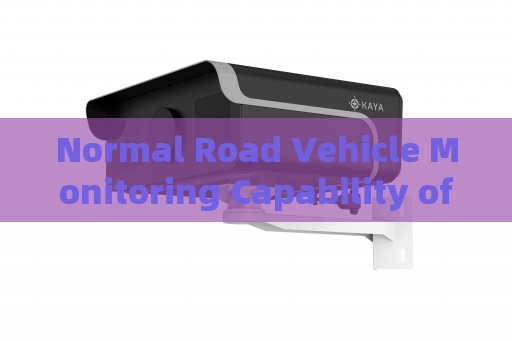
Normal Road Vehicle Monitoring Capability of the Penetration Imager with All-Weather Penetration Technology in Severe Weather
Severe weather conditions such as heavy rain, dense fog, blinding snow, and thick haze pose a persistent challenge to law enforcement and traffic monitoring operations. When an officer needs to observe a vehicle traveling on a normal road—whether to identify a suspect through the windshield, read a license plate obscured by rain, or assess the number of occupants inside—traditional optical systems fail. Raindrops scatter visible light, fog reduces contrast to near zero, and snow creates a chaotic veil of glare. More critically, the vehicle's own glass surfaces act as mirrors at oblique angles, reflecting back the camera's own light and completely washing out the interior view. This leaves officers blind at the very moment they need decisive visual intelligence. The pain point is clear: during a high-speed pursuit or a routine traffic stop in severe weather, the inability to see inside a vehicle through its windows can escalate risks, allowing concealed threats to go undetected.
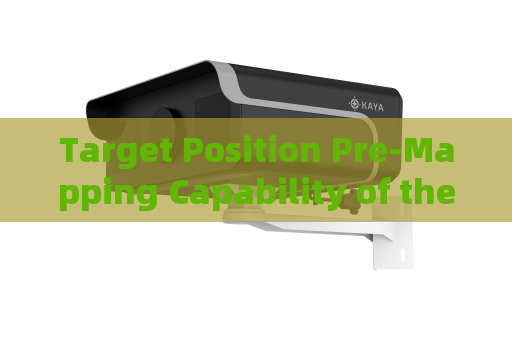
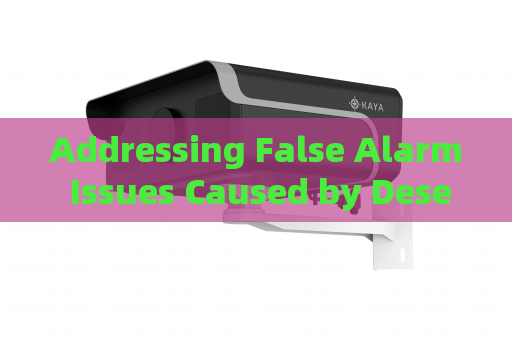
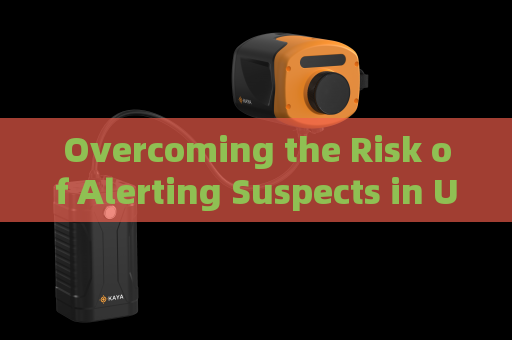
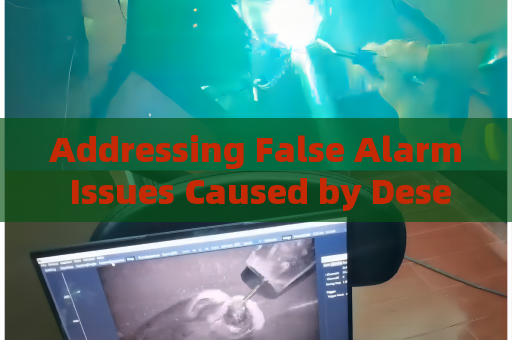
The Penetration Imager directly addresses this operational gap. Unlike conventional cameras that rely on ambient light or floodlights, the Penetration Imager is an active imaging system built upon laser range-gated imaging technology. It consists of a high-repetition-rate pulsed laser, an image-intensified gated camera with an MCP image intensifier, a high-voltage module, and timing synchronization components. By emitting ultra-short laser pulses and opening the camera's electronic shutter only when the reflected signal from the target distance returns, the system effectively gates out backscatter from fog, rain, or snow particles that lie between the imager and the vehicle. This range-gating mechanism also eliminates reflections off the vehicle's glass, because the laser pulse travels through the glass, reflects off the interior surfaces and occupants, and returns within a precise time window—while the glass itself contributes negligible backscatter. The result is a high-contrast, clear image of the vehicle's cabin, driver, and passengers, even when the road is engulfed in a torrential downpour or a whiteout blizzard. The Penetration Imager delivers a resolution and signal-to-noise ratio that far exceeds any passive thermal or low-light camera in these conditions, because it actively illuminates only the target and rejects the interfering medium.
In practical deployment, this capability transforms how patrol units conduct vehicle monitoring during severe weather events. An officer can mount the Penetration Imager on a tripod or vehicle platform and aim it at a suspect car stopped at a checkpoint or weaving through traffic in a storm. The system's gated imaging allows the operator to see through the rain-streaked windshield and identify whether the driver is reaching for a weapon, whether there are hidden passengers in the back seat, or whether the vehicle's interior matches intelligence descriptions. The imager operates across ranges of hundreds of meters, providing standoff safety. During a pursuit, the system can be used as an onboard sensor, continuously streaming real-time video through the glass of the pursued vehicle, unaffected by rain curtains or fog banks. This gives the pursuing unit a persistent picture of occupant behavior—sudden movements, discarded objects, or attempts to change drivers. The high frame rate and low latency of the gated camera ensure that fast-moving scenes are captured without motion blur, critical for documenting tactics and evidence.
A specific real-world example underscores the value: during a heavy fog event on a rural highway, a patrol unit received a report of a stolen vehicle. Visibility was below fifty meters. Standard headlights and dashcams showed only a diffuse glow. Using the Penetration Imager, the operator could clearly see through the fog and the car's rear window to count two occupants and observe the driver handling an object near the console. The officer positioned the unit from a safe standoff distance, maintaining visual contact without closing in dangerously. When the suspect vehicle stopped at a traffic light, the imager revealed a third person lying down in the back seat—a detail invisible to any other optic. This intelligence allowed the backup team to approach with appropriate caution and make a safe arrest. The Penetration Imager’s all‑weather penetration technology ensures that severe weather no longer turns a routine road vehicle monitoring task into a guessing game. Its ability to see through optical media—glass, rain, fog, snow, and even fire-induced obscurants (though not thick smoke)—makes it an indispensable tool for maintaining situational awareness on any normal road, in any weather. The Penetration Imager transforms a long‑standing vulnerability into a tactical advantage, providing law enforcement with the visual clarity they need when conditions are at their worst.