In ultra-long-range covert reconnaissance, the primary challenge is maintaining absolute stealth while obtaining actionable visual intelligence. Traditional optical tools—high-magnification binoculars, telescopic lenses, or night-vision devices—carry inherent risks of exposure. A suspect may catch the glint of a lens, notice unusual reflections from a distant position, or detect the faint glow of active infrared illumination used to enhance visibility in low-light conditions. Even the subtle movement of a reconnaissance platform can betray its presence. Once a suspect is alerted, the element of surprise is lost, and the entire mission may be compromised. This tension between the need for clear, long-distance imagery and the imperative to remain undetected defines a critical pain point for law enforcement and counter-terrorism operations. The Penetrating Imager emerges as a solution specifically engineered to address this dilemma, offering a way to see through glass and overcome environmental obscurants without betraying the observer’s location.
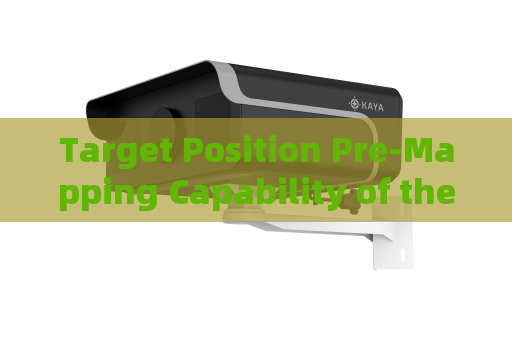
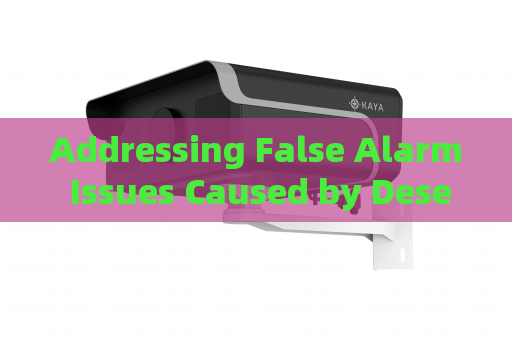
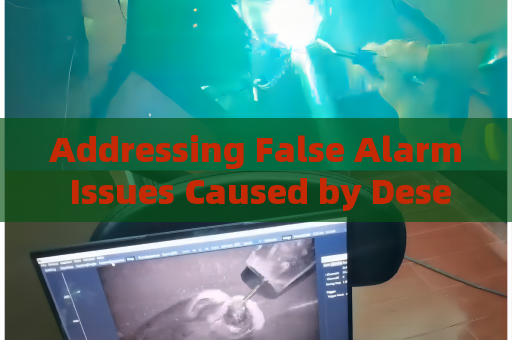
The Penetrating Imager employs laser range-gated imaging (gated imaging technology) to achieve this. Its core components—a high-repetition-rate pulsed laser, an image-intensified gated camera with an MCP intensifier, high-voltage and timing modules, a beam expander, and an imaging lens—work in unison to produce high-contrast images at extreme distances. The system emits ultra-short, near-infrared laser pulses that are invisible to the human eye, then precisely opens its camera gate only when the reflected light returns. This defilades backscatter from atmospheric particles or intervening optical media like glass, allowing clear visualization of subjects behind vehicle windows, train windows, aircraft portholes, or glass curtain walls. Because the laser pulse duration is extremely brief—often in the nanosecond range—and the emission is directed and collimated, the probability of detection by a suspect’s equipment or naked eye is drastically reduced. The Penetrating Imager operates as an active imaging system, yet its design minimizes the signature that could alert a target, making it ideal for ultra-long-range covert observation where silence is paramount.
In practice, this capability transforms how reconnaissance teams conduct surveillance. During a hostage scenario, for example, a team positioned one to three kilometers away can use the Penetrating Imager to see through the tinted glass of a suspect’s vehicle or the window of a fortified room, revealing the number of individuals, their movements, and any weapons they hold. The imagery remains crisp even in fog, haze, rain, or snow, thanks to the gating technique’s ability to reject scattered light. The suspect, completely unaware of the invisible laser pulses scanning the scene, continues normal activity. The reconnaissance operator thus gains a decisive information advantage without raising suspicion, enabling command to craft a precise intervention strategy.
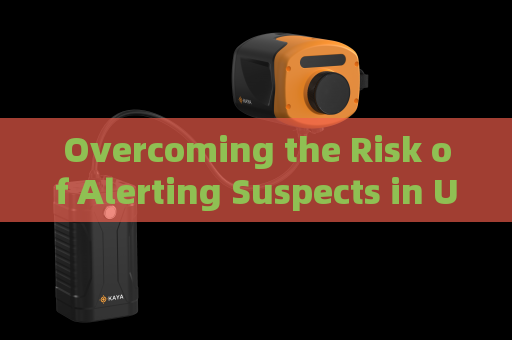
Further operational details enhance the system’s stealth. The Penetrating Imager can be mounted on a stabilized tripod or a remote pan-tilt unit, allowing long-duration observation from a concealed position—behind a hill, inside a building, or within a parked vehicle. Its high-resolution output supports digital zoom and recording for post-mission analysis. Because the laser operates in the shortwave infrared band, it cannot be detected by standard photoelectric sensors that suspects might deploy. The system’s anti-interference capability also ensures stable performance under challenging weather, such as heavy snowfall or dense fire smoke (where visibility is improved three to five times, though thick smoke remains opaque). By integrating this tool into covert reconnaissance protocols, law enforcement and military units can conduct ultra-long-range monitoring that was previously impossible without alerting suspects, fundamentally reducing risk to personnel and increasing mission success rates.