A routine vehicle checkpoint presents a paradox for law enforcement officers: the closer they move to inspect a car, the greater their exposure to sudden threats such as concealed weapons or aggressive occupants. Standard optical tools—binoculars or telescopic lenses—fail when sunlight glares off windshield glass or when tinted films obscure interior details. Officers must either risk stepping into the danger zone or rely on incomplete visual cues from a distance. This operational gap leaves personnel vulnerable, especially during high-risk stops where suspects may be armed. The core challenge lies in acquiring actionable visual intelligence from a safe standoff range, without compromising clarity or speed. The penetrating imager directly addresses this problem by enabling operators to see through automotive glass from a secure distance, bridging the gap between safety and situational awareness.
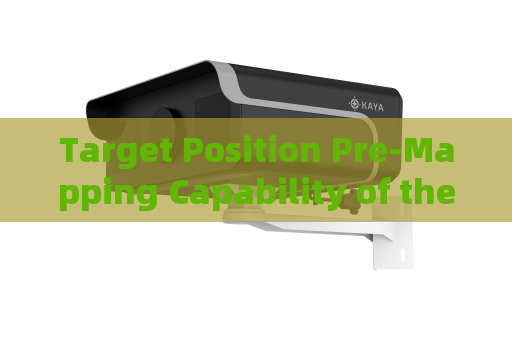
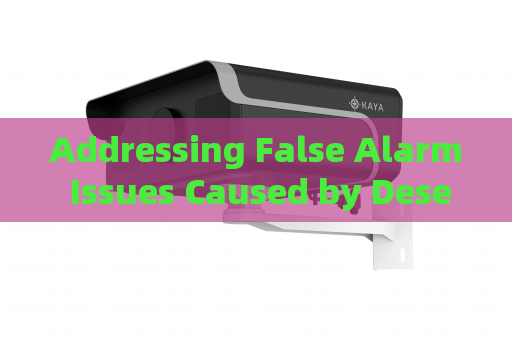
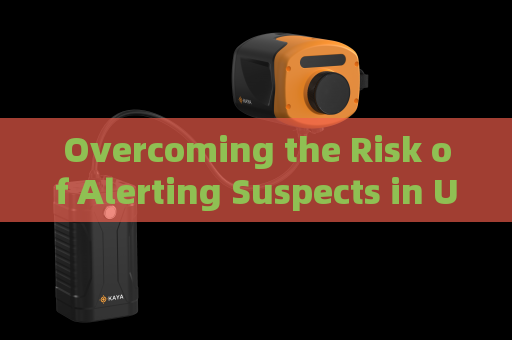
The penetrating imager is an advanced active optical system based on laser range-gated imaging technology. It integrates a high-repetition-rate pulsed laser, an image intensifier gated camera with an MCP intensifier, a high-voltage module, a timing module, a beam expander, and an imaging lens. By emitting short laser pulses and synchronizing the camera's electronic shutter to capture only the light reflected from a specific depth, the system effectively eliminates backscatter from the glass surface and atmospheric particles. This gating mechanism delivers high-contrast imagery of objects behind transparent barriers like windshields, side windows, or armored vehicle ports. Unlike passive optics that degrade in glare or haze, the penetrating imager maintains sharp resolution and strong anti-interference capability, even under direct sunlight or through rain, fog, or dust. For checkpoint operators, this means a clear view of a vehicle's cabin—including occupants' hands, seat positions, and potential weapons—without leaving the cover of a patrol car or barricade.
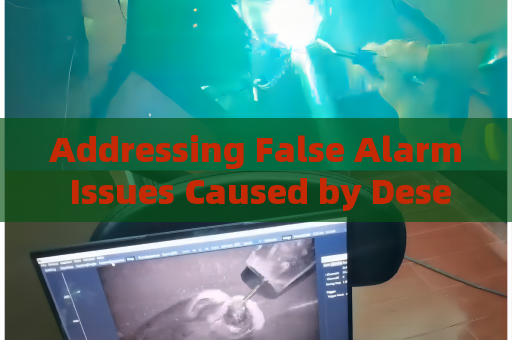
Field deployment of the penetrating imager transforms standard operating procedures. An officer stationed 50 to 100 meters from a stopped vehicle can aim the device at the windshield, adjust the gate delay to match the distance, and instantly see a high-definition image of the interior on a handheld display. The system’s active illumination works in total darkness, eliminating the need for spotlight exposure that would give away an officer’s position. During daytime, the gating technology suppresses the glare from reflective glass, revealing details otherwise invisible. This capability allows operators to maintain secure operational distances while assessing threats before making a tactical decision—whether to issue verbal commands, call for backup, or escalate force. In multi-vehicle checkpoints, the device can rapidly scan each target without requiring personnel to approach, drastically reducing the risk of ambush.
The penetrating imager also excels under adverse weather that often accompanies high-stakes operations—heavy rain, snowfall, or dense fog. These conditions scatter conventional light, but the time-gated laser pulses cut through the optical interference, returning only the signal from the vehicle interior. For night operations, the near-infrared laser remains invisible to the naked eye, preserving stealth. Importantly, the device is restricted to optical media like glass; it cannot penetrate walls, concrete, or metal, aligning with its lawful use for vehicle inspection rather than building search. By maintaining a safe standoff, the penetrating imager ensures that operators gather critical intelligence without compromising their physical security, making every checkpoint safer and more effective.