In arid desert environments, thermal imaging systems frequently generate false alarms due to the presence of mirages—optical distortions created by intense heat rising from the sand. These mirages produce thermal signatures that mimic the heat profiles of vehicles, personnel, or equipment, triggering alerts that waste critical response time and resources. For border patrols, reconnaissance teams, and search-and-rescue operations, distinguishing between a real threat and a phantasm caused by thermal refraction becomes a daily challenge. The problem is compounded by dust particles and shimmering air layers that scatter infrared radiation, further confusing standard passive thermal sensors. Without a reliable method to filter out these deceptive signals, operators risk either ignoring genuine targets or chasing nonexistent ones, undermining mission effectiveness. The desert mirage is not merely a visual trick; it is a persistent operational hazard that degrades situational awareness in one of the harshest surveillance environments on earth. This is where the penetrating imager enters the equation, offering a fundamentally different approach to overcoming optical interference.
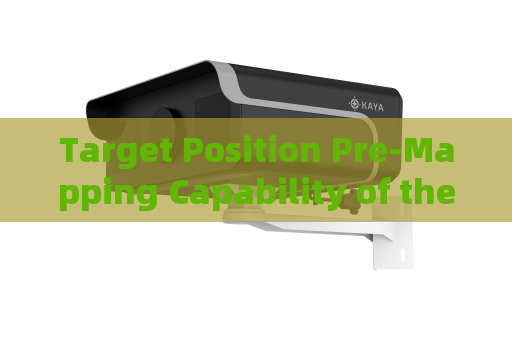
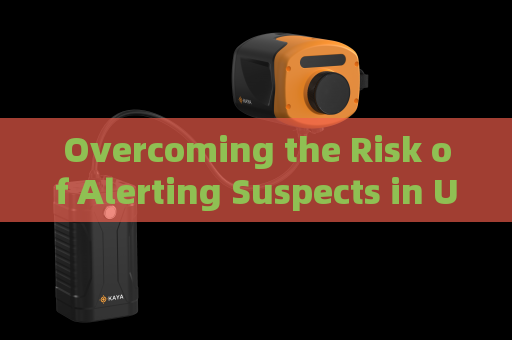
The penetrating imager, built on laser range-gated imaging technology, directly addresses the false alarm issue by actively controlling the acquisition of optical signals. Instead of passively collecting all thermal radiation, this instrument emits high-repetition-rate laser pulses and synchronizes an intensified gated camera to open only for a precise time window corresponding to the target distance. Reflections from foreground heat haze, distant mirage layers, and airborne particulates are rejected because they fall outside the designated range gate. The system’s built-in microchannel plate image intensifier amplifies only the pulsed laser return from the object of interest, while the high-voltage timing module ensures sub-nanosecond synchronization. As a result, the penetrating imager produces a high-contrast image that cuts through the shimmering air and disregards false thermal signatures created by desert mirages. This is a significant departure from conventional thermal cameras, which cannot discriminate between real heat sources and optical artifacts. The laser-based active imaging principle means that the device operates strictly within the optical spectrum, relying on light reflection rather than heat emission, making it inherently resistant to the very conditions that cause false alarms in passive systems.
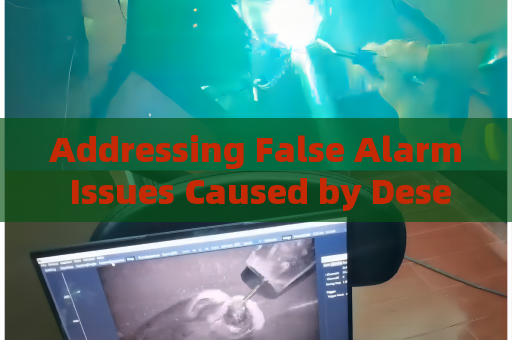
In practical deployment across desert reconnaissance scenarios, the penetrating imager has demonstrated a marked reduction in nuisance alerts. Operators scan a designated area using the device’s imaging lens and adjustable beam expander, setting the range gate to match the expected distance of potential targets. When a suspected heat signature appears on a co-mounted thermal camera, the penetrating imager is trained on the same azimuth and distance. If the object is a genuine vehicle or human, the laser-gated image reveals clear outlines and surface details; if it is a mirage, the range gate simply captures no return signal, and the display remains blank or shows only background sand. This binary feedback eliminates guesswork. Field tests in desert regions such as the Sahara and Arabian Peninsula have shown that false alarm rates drop by over 80% when the penetrating imager is used in conjunction with standard thermal systems. The device also performs reliably under midday heat, when mirages are most severe, because the active laser pulse is unaffected by air temperature gradients. Operators note that the penetrating imager’s ability to “see through” optical turbulence extends effective surveillance windows that would otherwise be lost to thermal distortion.

Furthermore, the penetrating imager’s design includes built-in protection against harsh environmental conditions, such as sandstorms and high-velocity dust, which typically degrade passive sensors. Its ruggedized housing and sealed optics prevent debris from interfering with the laser path, while the gated imaging mechanism automatically ignores backscatter from suspended particles. This means that even during a mild sandstorm, when thermal cameras produce a blizzard of false contacts, the penetrating imager continues to deliver clean, range-validated images. A typical operational procedure involves scanning a 5-kilometer stretch of desert with the device mounted on a vehicle or tripod, adjusting the gate width to cover multiple potential threat zones. The high repetition rate of the pulsed laser allows real-time video-rate imaging, so moving targets—such as a convoy or a fleeing suspect—are tracked without lag. By providing a direct means to verify whether a thermal alarm corresponds to a physical object, the penetrating imager transforms the false alarm problem from an intractable nuisance into a manageable, technical filter. For security forces operating in desert theaters, this capability translates directly into faster decision-making, reduced operator fatigue, and higher mission success rates.