In high-risk law enforcement and counter-terrorism operations, officers frequently need to assess threats inside a vehicle without approaching it. A suspect armed with a firearm may be sitting behind tinted or reflective car windows, making visual identification extremely difficult. Standard observation methods require an operator to move close to the vehicle to peer through the glass, which places that individual well within the lethal range of any weapon the occupant might possess. Even using binoculars or a spotting scope from a distance fails because glare, reflections, and window coatings obscure the interior. This operational reality forces a dangerous trade-off: either accept inadequate visual intelligence or take an unacceptable personal risk. The 穿透成像仪 addresses this precise dilemma by enabling remote, safe inspection through transparent barriers.
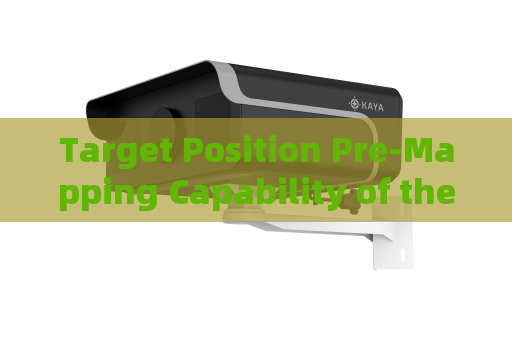
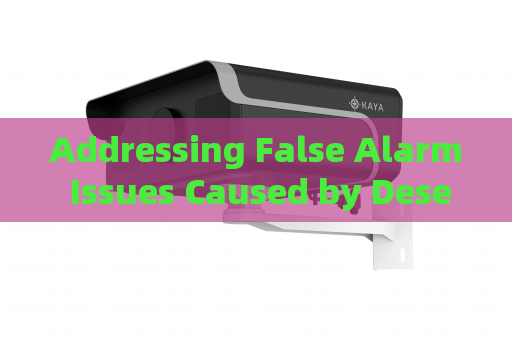
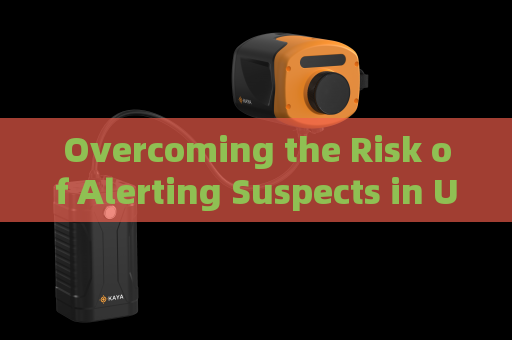
The 穿透成像仪 employs laser range-gated imaging technology to see clearly through automotive window glass from a safe standoff distance. The system consists of a high-repetition-rate pulsed laser, an intensified gated camera with an MCP image intensifier, a beam expander, and an imaging lens. By actively emitting short laser pulses and precisely synchronizing the camera's shutter to capture only the return light from a specific depth gate, the imager rejects backscatter caused by dust, rain, or fog and eliminates reflections from the glass surface itself. This gate-control method allows the operator to focus exclusively on the cabin interior while the window glass becomes optically invisible. The device does not rely on any form of penetrating radiation; it works solely with reflected laser light, making it both safe for the subject and completely non-detectable in terms of emissions that could alert a suspect.
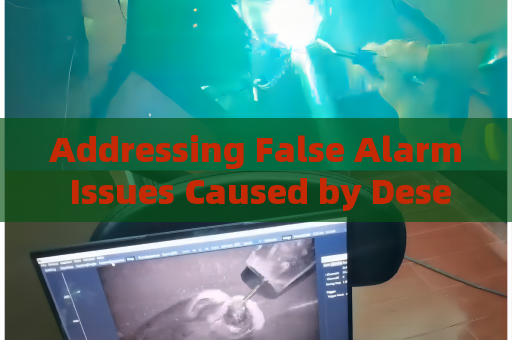
In practical field deployment, an operator positions the 穿透成像仪 at a distance of 50 to 200 meters from the target vehicle, well beyond the effective engagement range of most handguns. The system is tripod-mounted for stability and connected to a ruggedized tablet or monocular display. By adjusting the gate delay, the operator can "slice" through the glass and obtain a high-contrast, real-time image of the occupant's hands, head position, and any visible objects such as a weapon or phone. The device functions under low light, heavy rain, or foggy conditions, where conventional optics would fail. Because the imager actively illuminates only the gated volume, it maintains covert operation—no visible light is emitted that could warn the subject. This capability transforms the tactical scenario: an operator can conduct a thorough reconnaissance while staying behind cover, then relay intelligence to a negotiation or entry team without ever stepping into the danger zone.
The method ensures operator safety by fundamentally separating the observation point from the point of potential threat. Once the image is acquired, the operator can analyze the situation, confirm whether the suspect is alone, assess the presence of hostages or explosives, and decide on the appropriate response—all without ever needing to close the distance. The 穿透成像仪 thus becomes an indispensable tool for vehicle interdictions, barricade situations, and checkpoint security, where maintaining physical separation is the primary tactic for survival. By converting a transparent barrier into a mere optical inconvenience rather than a tactical hazard, the technology permits precise, remote assessment that protects the most valuable asset in any operation: the operator’s life.