In total darkness, detecting illegal vehicles and their concealed contents presents a formidable challenge for law enforcement. A vehicle parked in a remote area with its lights off, or one with heavily tinted windows, offers no visible clues from the outside. Standard night vision devices rely on ambient light, which is absent in zero-light conditions, while thermal imagers struggle to penetrate automotive glass effectively—often capturing blurry thermal signatures that fail to reveal weapons, contraband, or hidden occupants inside the cabin. Officers must resort to dangerous close-quarter inspections, risking ambush or missing critical evidence. This pain point demands a solution that can see through vehicle glass in pitch-black environments without any external illumination. The penetrating imager, built on laser range‑gated imaging technology, directly addresses this operational gap by providing clear, high‑contrast visuals where conventional optics fail.
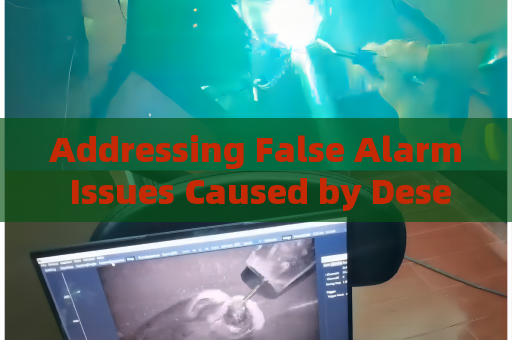
The penetrating imager operates as an active imaging system that emits high‑repetition‑rate laser pulses and synchronizes an image‑intensified gated camera to capture only the light reflected from a specific distance. By precisely controlling the time window, the system effectively eliminates backscatter from fog, rain, or dust and, crucially, sees through transparent optical media such as car windshields and side windows. In total darkness, the pulsed laser illuminates the target while the gated sensor rejects ambient noise, delivering a sharp, real‑time image of the vehicle’s interior even when no natural light exists. This technology enables officers to identify occupants, detect suspicious objects like firearms or drug packages, and assess threats from a safe standoff distance. Unlike passive thermal or low‑light cameras, the penetrating imager maintains high resolution and contrast regardless of external lighting conditions, making it an indispensable tool for zero‑light vehicle checks.
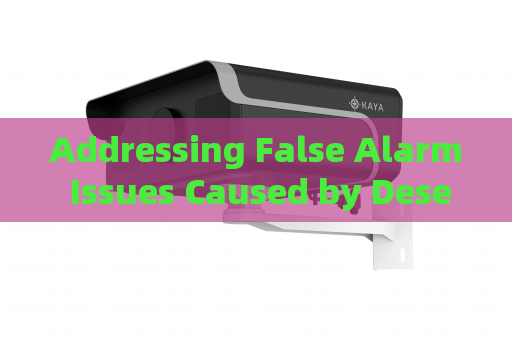
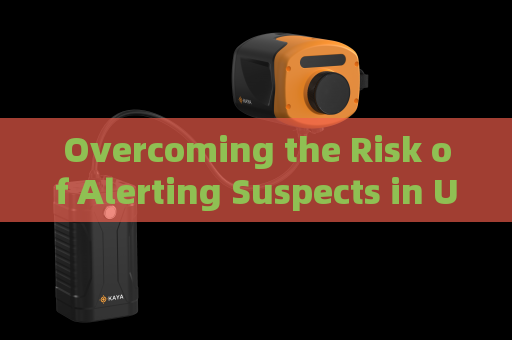
In practical law enforcement operations, the penetrating imager is deployed as a handheld or tripod‑mounted unit that can be aimed at a suspected vehicle from dozens of meters away. Officers simply activate the laser and view the live feed on a ruggedized display. The system automatically adjusts the gate delay to match the distance to the target vehicle, ensuring that only the cabin interior is imaged while the glass surface reflections are suppressed. During nighttime traffic stops or border patrol checks, this capability transforms a dangerous guess into a certain assessment: a dark SUV with blacked‑out windows can be scanned instantly to reveal whether the driver is reaching for a hidden weapon or if the back seat contains illegal cargo. The penetrating imager does not require any cooperative illumination from the vehicle—its own laser provides the light, and the gating mechanism ensures that even in heavy rain or fog, the image remains clear and actionable.

Field tests have demonstrated that the penetrating imager dramatically reduces officer risk and improves detection rates in total darkness. At a highway checkpoint where ambient light is nonexistent, operators can maintain a safe distance while confirming vehicle registration details through the windshield or spotting concealed passengers in the cargo area. The device’s ability to overcome backscatter means that even dirty or scratched windows do not degrade image quality. Furthermore, the zero‑light imaging capability ensures that suspects cannot hide simply by killing their headlights or parking in unlit alleys. Every stolen car, every drug‑smuggling van, every potential armed encounter becomes visible before a single step is taken toward the vehicle. The penetrating imager thus turns a critical pain point—blindness in total darkness—into a clear tactical advantage for modern law enforcement.