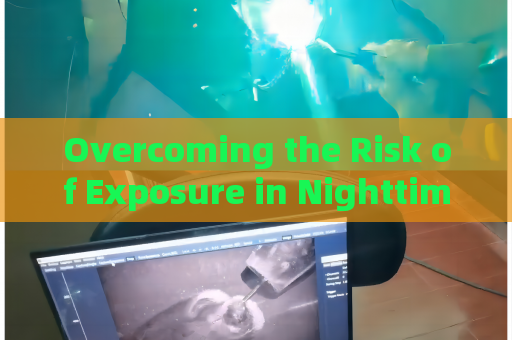
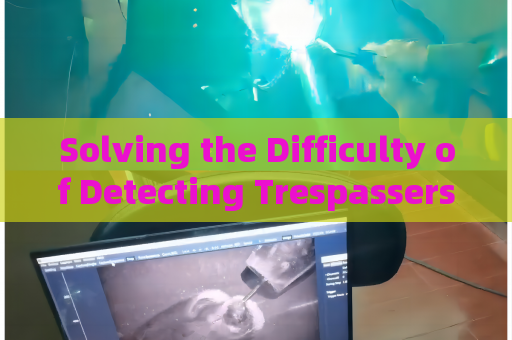
In high-risk law enforcement and security scenarios, officers often need to inspect the interior of vehicles during traffic stops or checkpoints. The conventional approach requires approaching the vehicle, peering through windows to identify potential threats such as weapons, contraband, or hostile individuals. This proximity exposes operators to sudden attacks—gunfire, edged weapons, or vehicle ramming—especially when occupants deliberately obscure windows with tinted film, reflective coatings, or even opaque materials. The core pain point is the inherent conflict between the need for visual confirmation and the imperative to maintain a safe, non-approachable distance. Without a tool that can see through glass from afar, operators are forced to close the gap, increasing vulnerability. The 穿透成像仪, an advanced optical instrument based on laser range-gated imaging technology, directly addresses this dilemma by providing high-contrast, long-range visibility through vehicle windows without requiring physical proximity.
The 穿透成像仪 employs a high-repetition-rate pulsed laser, an intensified gated camera with an MCP image intensifier, a beam expander, and an imaging lens. Its active imaging system actively illuminates the target with short laser pulses while the camera's gate opens only when reflected light from the distant object returns, effectively rejecting backscatter from atmospheric particles and intervening obstacles like glass. This laser range-gated gating mechanism enables the device to selectively image through optical media—including car windows, train windshields, aircraft portholes, and glass curtain walls—while maintaining a standoff distance of tens to hundreds of meters. The operator no longer needs to advance toward the vehicle; instead, they can position themselves behind cover or at a safe distance, activate the imager, and obtain clear, real-time visuals of the vehicle's interior, including occupants, objects on seats, and hidden compartments.
In practical field operations, the 穿透成像仪 allows a single officer to scan a suspect vehicle from 50 meters away, behind a concrete barrier or patrol car door. The device's ability to overcome fog, rain, snow, and glare further ensures consistent performance in adverse weather, which often coincides with heightened security risks. Operators can systematically inspect multiple vehicles in a convoy without repositioning, maintaining a secure operational distance throughout the entire process. For fire-related scenarios where smoke or flame obscures glass, the imager can improve visibility three to five times, though it remains ineffective against dense smoke. This capability directly reduces the likelihood of close-range ambushes and provides critical decision-making time. The integration of such imaging technology into standard checkpoint protocols transforms the risk profile: the operator controls the engagement distance, not the suspect.
Maintaining secure operational distances also extends to post-incident scene assessment. After a vehicle stop escalates into a standoff, the 穿透成像仪 enables crisis negotiators and tactical teams to monitor occupant movements from a shielded position, avoiding exposure to potential fire. The high resolution and fast frame rate allow identification of hand gestures, weapon handling, or sudden shifts in body position. By eliminating the need to peer through windows at close range, the device prevents the operator from becoming a static target. Every meter of additional separation reduces the probability of injury, and the 穿透成像仪's optical transparency through glass—backed by rigorous engineering constraints that prevent misuse on non-transparent solids like walls or metal—ensures that the tool remains specialized for its intended window-based application. This focused design keeps the operator safe without crossing into capabilities that would require different detection principles.