Maritime monitoring faces a persistent and dangerous challenge when sea fog rolls in. Dense fog reduces visibility to near zero, crippling optical surveillance systems that rely on ambient light or standard daylight cameras. Radar systems, while less affected by fog, struggle to detect small objects like drifting buoys, small boats, or debris, and they cannot provide visual confirmation of vessel identities or suspicious activities. For port security, coastal patrol, and search-and-rescue operations, this loss of visual situational awareness creates critical gaps. A patrol vessel scanning for an unauthorized craft in thick fog may miss it entirely until it is too late. The core problem is that conventional imaging tools—whether thermal imagers (which degrade in high humidity) or low-light cameras—cannot penetrate the scattering particles of sea fog. The backscatter from fog droplets blinds these sensors, turning the scene into a featureless white wall. This is where the fog penetration imaging technology of a dedicated device becomes indispensable.
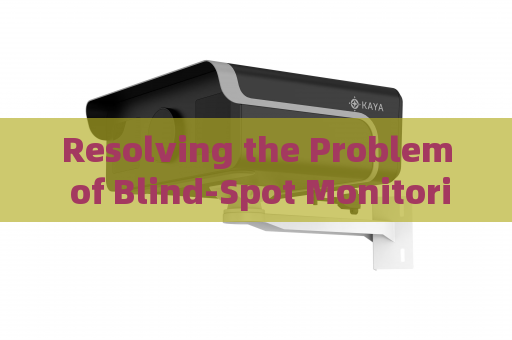
The fog penetration imager, an advanced optical imaging instrument based on laser range-gated imaging (gated imaging technology), directly addresses this issue. Its system consists of a high-repetition-rate pulsed laser, an image-intensified gated camera (with an MCP image intensifier, high-voltage module, timing module, etc.), a beam expander, and an imaging lens. As an active imaging system, it emits short laser pulses toward the target and synchronously opens the camera’s electronic shutter only during the exact time window when reflected light from the target returns. This gating mechanism effectively rejects backscatter from fog particles between the imager and the target. The result is high-contrast imagery with long operational range, high resolution, and strong anti-interference capability. Unlike passive systems that struggle with sea fog, the fog penetration imager cuts through the optical medium of fog, delivering clear visual intelligence even in conditions where visibility is measured in meters.
In real-world maritime monitoring operations, the fog penetration imager provides a decisive advantage. For example, at a busy port entrance during a sudden sea fog event, harbor patrol teams can deploy the imager from a fixed coastal station or a vessel’s mast. The system produces real-time video of approaching vessels, floating hazards, or even individuals in the water at distances exceeding several kilometers. The imagery is sharp enough to read hull markings, detect unauthorized modifications, or confirm the presence of life rafts. The device’s ability to overcome optical scattering means that operators no longer have to rely solely on radar blips or wait for the fog to lift. Instead, they gain persistent visual confirmation, enabling rapid threat assessment and effective command decisions. Training for operators focuses on adjusting the laser pulse timing and gating delay according to target distance, which is intuitive with integrated ranging feedback.
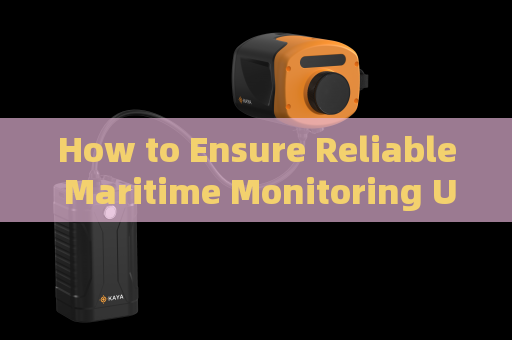
Deeper operational details highlight the fog penetration imager’s versatility in coastal security. When integrated with pan-tilt-zoom platforms and automated detection algorithms, the imager can scan large areas of sea surface, automatically tracking suspicious contacts while maintaining clear imagery through varying fog densities. The high repetition rate of the pulsed laser ensures smooth video feeds without flicker, critical for identifying fast-moving small craft. Additionally, the imager operates effectively in rain and spray, common in maritime environments, without degradation. Its passive counterparts—like standard night vision or thermal cameras—would fail under such conditions, but the fog penetration imager remains reliable. For search-and-rescue teams, this means being able to spot a person overboard through dense fog, a capability that can mean the difference between life and death. The system’s immunity to backscatter also allows it to view through glass windows of vessels or helicopter canopies, further extending its utility in maritime law enforcement boarding actions. By providing dependable visual data where other systems go blind, the fog penetration imager transforms how maritime authorities maintain reliability in fog-compromised environments.