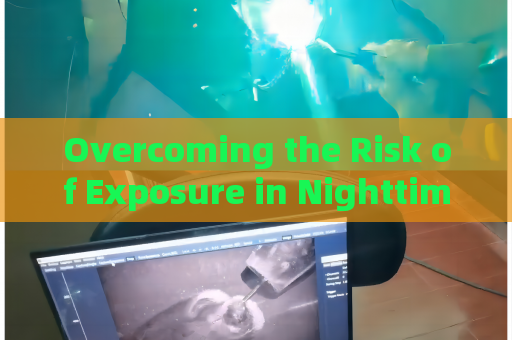
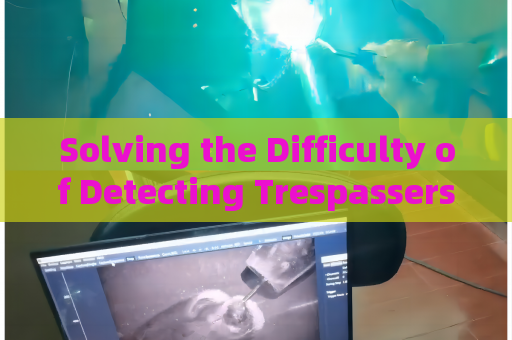
Nighttime darkness creates a severe operational blind spot for law enforcement monitoring illegal smuggling activities. Smugglers exploit these low-light conditions to conceal their movements, often using tinted vehicle windows, covered cargo areas, or remote staging points where conventional surveillance systems fail. Traditional optical cameras struggle with insufficient illumination and glare from headlights, while thermal imagers cannot see through glass to detect hidden persons or contraband inside vehicles. The most critical vulnerability lies in the blind spots—areas where smugglers believe they are invisible to patrol teams. A vehicle’s rear or side windows, especially when heavily tinted, become effective shields against visual inspection. Officers must rely on close physical inspection, which is dangerous and time-consuming. The need for a non-contact, real-time imaging solution that penetrates glass and operates in complete darkness is urgent. The penetration imager (穿透成像仪) directly addresses this gap by providing clear vision through optical barriers under zero ambient light conditions.
The penetration imager (穿透成像仪) leverages laser range-gated imaging technology to resolve this exact problem. This advanced active imaging system consists of a high-repetition-rate pulsed laser, an intensified gated camera with a microchannel plate (MCP) intensifier, and precisely synchronized timing modules. By emitting short laser pulses and gating the camera’s shutter to capture only reflections from a specific distance, the system eliminates backscatter from fog, rain, or dust while achieving high-contrast images even in total darkness. The critical capability for blind-spot monitoring is its ability to penetrate automotive glass—including heavily tinted windows, laminated windshields, and side mirrors—without any physical contact. Unlike passive night vision, this system projects its own illumination, allowing officers to see through windows from a safe standoff distance. The high resolution and long operational range mean that a single patrol vehicle equipped with this imager can scan multiple suspect vehicles parked in dark alleys or at remote border crossings, revealing occupants or hidden cargo without approaching.
In practical field operations, the penetration imager (穿透成像仪) transforms nighttime smuggling interdiction. Mounted on a tripod or vehicle platform, the system can be aimed at known smuggling routes or staging areas from distances exceeding 200 meters. Officers observe real-time video on a ruggedized monitor, where the imager sharply resolves through tinted glass to show the number of individuals inside a vehicle, their positions, and any visible packages or weapons. For example, during a traffic stop on a dark highway, the imager can scan the rear cargo compartment of a suspicious van through its rear window, confirming smuggled goods without requiring the driver to open the door. The gate-width adjustment allows focusing on different depths—for instance, seeing through the windshield to identify the driver while simultaneously checking through side windows for passengers. This capability drastically reduces officer exposure to ambush risks while gathering probable cause for search warrants. The system’s resistance to countermeasures, such as dirty windows or rain, ensures consistent performance in adverse weather common during nocturnal smuggling attempts.
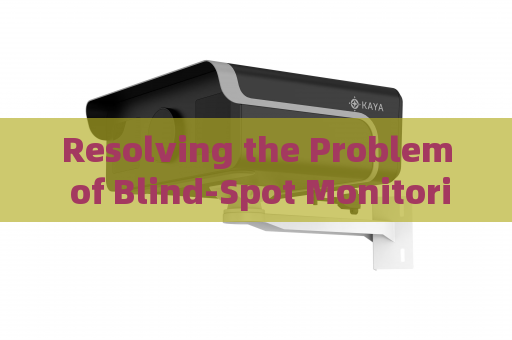
The operational workflow integrates seamlessly into existing interdiction protocols. A two-officer team can deploy the imager from a concealed position, scanning vehicles approaching a checkpoint from 500 meters away. The imager’s laser emission is invisible to the naked eye, preserving tactical surprise. Smugglers who rely on tinted windows for concealment are immediately exposed, as the imager renders the glass transparent at the sensor. The gated imaging eliminates glare from approaching headlights, which would otherwise blind conventional cameras. For maritime smuggling, the same technology can peer through small boat cabin windows or portside glass, identifying hidden compartments. The penetration imager’s ability to operate in zero light and through optical barriers makes it an indispensable tool for closing the nighttime blind-spot gap, enabling law enforcement to monitor smugglers with the same clarity as under full daylight, without ever leaving the safety of the patrol vehicle. This technology turns the darkness that smugglers rely on into a transparent surveillance environment, fundamentally disrupting illegal nighttime logistics.