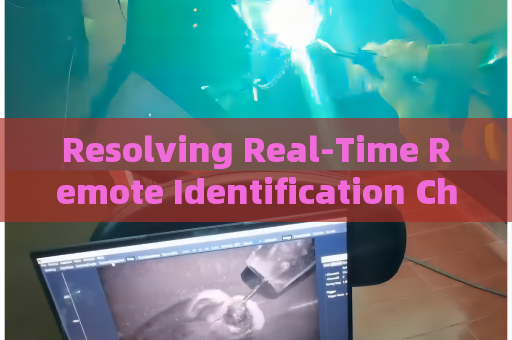
Pursuing fugitives during severe weather conditions presents a critical challenge for law enforcement agencies. Heavy rain, dense fog, and blizzards drastically reduce visibility, often causing surveillance cameras, drones, and optical scopes to fail. When a fugitive escapes into a storm, traditional imaging systems become useless because light scatters off raindrops or fog particles, creating glare and backscatter that obscures the target. The tracking team may lose visual contact at the very moment when the fugitive attempts to blend into the environment or take cover. This interruption not only delays apprehension but also increases risk to officers and the public. The core problem lies in the inability of standard optics to see through the optical interference created by severe weather, leaving a dangerous gap in situational awareness.
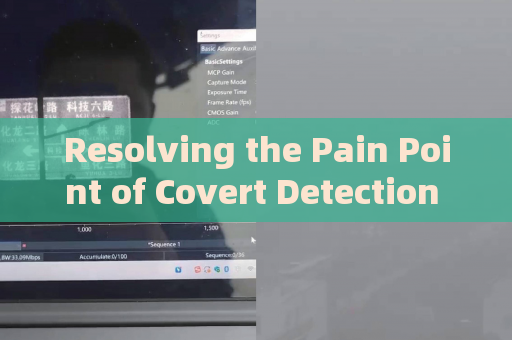
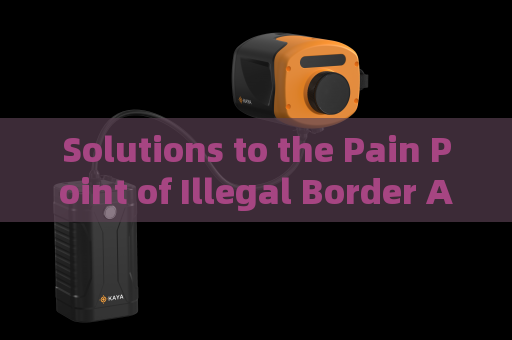
The penetration imager directly solves this tracking gap by employing laser range-gated imaging technology. Unlike conventional cameras that struggle with scattered light, this active imaging system fires high-frequency pulsed lasers synchronized with an intensified gated camera. The laser illuminates a specific distance slice, while the camera’s gate opens only to receive the reflected signal from that exact range. By rejecting light from rain, snow, or fog particles that are closer or farther than the target, the penetration imager effectively overcomes backscatter. It can see through falling rain, snowflakes, haze, and even fire smoke, delivering high-contrast images at extended ranges. For a fugitive hiding behind a car window or peering through a glass door in a storm, the system cuts through the wet surface and fogged glass to reveal movement. This capability restores continuous tracking when weather would otherwise blind conventional optics.
In actual field operations, the penetration imager mounts on a tripod or vehicle platform, with operators adjusting the gate delay to match the fugitive’s estimated distance. A scout team can monitor the feed from a safe position while the pursuit unit maintains visual lock through binoculars connected to the system. During a rainstorm, the imager’s laser pulses at a repetition rate that captures multiple frames per second, allowing real-time tracking of a sprinting subject even as raindrops create a curtain of visual noise. The device’s high resolution reveals subtle details like clothing color or a hand gesture that confirms identity. Officers report being able to follow a fugitive around corners and through alleys obscured by fog, reducing reliance on sound or guesswork. The penetration imager does not rely on heat signatures, so it remains effective when the fugitive is stationary or wearing thermal-insulating clothing.
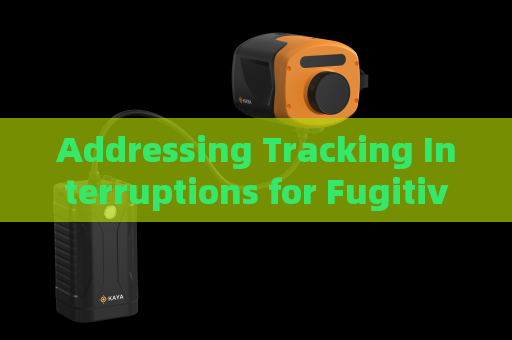
The same technology further enhances tracking continuity when the fugitive attempts to use a vehicle as cover. If the suspect jumps into a car with tinted windows during a snow squall, the penetration imager’s laser beam passes through the glass pane and reflects off the interior, revealing the subject’s position inside the cabin. Unlike passive night vision that would wash out under street lights or headlights, this system handles mixed illumination from street lamps and precipitation without blooming. Law enforcement teams have used the penetration imager to maintain visual contact during multi-hour chases in blizzard conditions, where every second of delay could allow the fugitive to reach a hidden location. By addressing the fundamental interruption of backscatter and obscured optical media, the penetration imager turns severe weather from a liability into a manageable variable for tactical tracking operations.