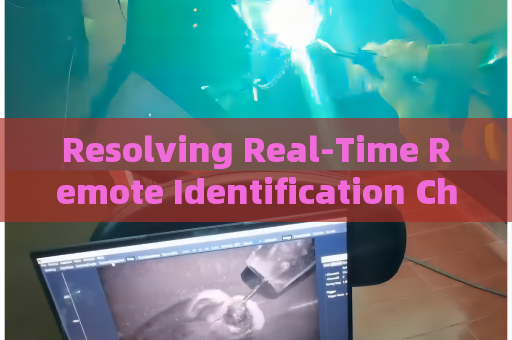
Covert detection of illegal vessel activities presents a persistent challenge for maritime law enforcement. Traditional optical surveillance systems struggle under adverse conditions such as fog, rain, spray, or low-light environments, where backscatter from water droplets and atmospheric particles degrades image clarity. Even in clear weather, the inherent vulnerability of covert operations—requiring observation from a safe distance without revealing the observer’s position—limits the effectiveness of standard cameras. A critical pain point arises when the target vessel has tinted or reflective windows, such as those in the wheelhouse or cabin. These glass surfaces obscure interior activities, while external glare defeats conventional zoom lenses. The need to identify suspicious behavior, such as unauthorized cargo transfers or crew movements, demands an imaging solution that can penetrate these optical barriers without compromising the element of surprise. The core dilemma is obtaining actionable intelligence from a standoff range, under variable lighting and weather, while remaining undetected.
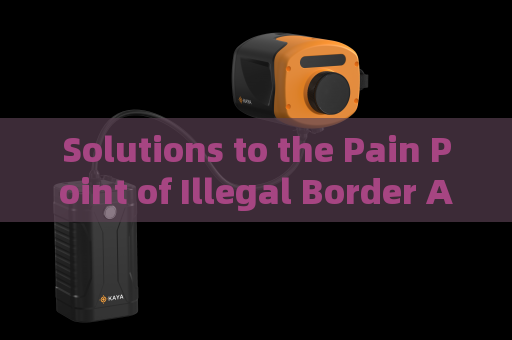
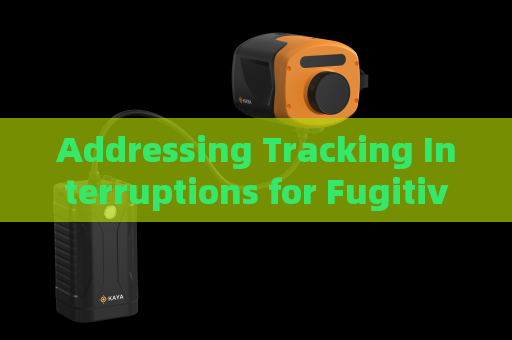
The penetrating imager directly addresses this pain point through its laser range-gated imaging technology. This active optical system employs a high-repetition-rate pulsed laser synchronized with an intensified gated camera incorporating an MCP image intensifier, high-voltage module, and timing control. By emitting short laser pulses and opening the camera’s electronic shutter only when the reflected light from the target returns, the system effectively eliminates backscatter from intervening fog, rain, or airborne particles. More critically, it can see through optical media such as ship windows, aircraft portholes, or glass facades. The penetrating imager achieves high-contrast imaging at long distances with strong resistance to environmental interference. For covert maritime operations, this means an operator can aim the device through the wheelhouse windows of a suspect vessel—even if those windows are heavily tinted or coated—and capture detailed images of individuals, equipment, or contraband inside, all while the observation platform remains kilometers away and invisible to the target. The system operates purely within the optical spectrum, using no radio waves or radiation, thus avoiding detection by electronic countermeasures.
In practice, a patrol craft or shore-based surveillance unit deploys the penetrating imager during a suspected illegal fishing, smuggling, or human trafficking scenario. The operator selects a vantage point that offers a line of sight to the target vessel’s glass openings. Weather conditions that would disable conventional optics—dense sea fog, driving rain, or heavy mist from ocean spray—do not hinder performance. The gated imaging principle ensures that only the reflected laser light from the intended depth (e.g., 2 to 5 meters beyond the glass surface) reaches the sensor, suppressing all scattered light from the atmosphere and the window itself. The resulting video feed shows crisp silhouettes and facial features inside the cabin, even when the interior is dimly lit. The high-resolution imagery allows identification of boat registration numbers on instrument panels, hand signals among crew, or the shape of hidden cargo containers. The penetrative capability is strictly limited to optical media—it cannot see through the metal hull or solid bulkheads—but that aligns precisely with the operational need to look through windows, which are the primary visual access points on any vessel. Operators can record the evidence in real time, building a case without ever boarding or alerting the suspects.
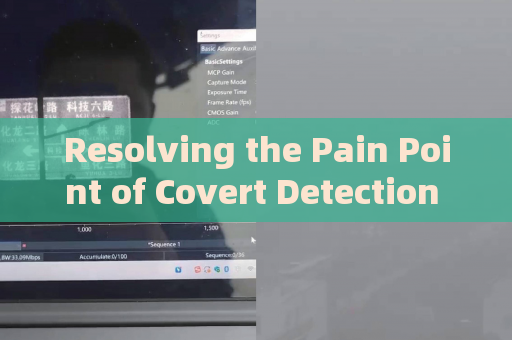
The device’s resistance to fire, fog, rain, snow, and haze further extends its utility in maritime environments where sudden squalls or engine-room fires impair visibility. While it does not penetrate thick smoke (an important limitation to acknowledge), the penetrating imager can increase visibility through flame and light fog by a factor of three to five, enabling observation of deck activities or escape routes during emergency scenarios. For covert vessel detection, the primary value remains the ability to see through windows at operational distances exceeding typical binocular or night-vision capabilities. The system’s active illumination is invisible to the naked eye when using near-infrared lasers, ensuring that the surveillance remains concealed. Law enforcement agencies thus gain a decisive tactical advantage: they can monitor illegal activities from a secure position, gather evidence admissible in court thanks to the high-contrast, time-stamped imagery, and reduce the risk of escalation. By resolving the fundamental pain point of optical obstruction and backscatter, the penetrating imager transforms covert maritime surveillance into a reliable, all-weather capability that keeps officers safe and targets unaware.