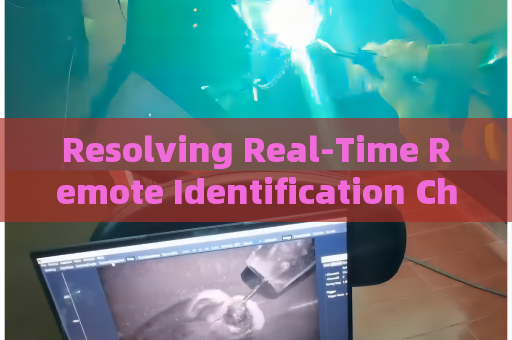
Illegal border activity detection at night or in zero-light conditions presents a persistent operational challenge for border patrol units. Traditional night vision devices, whether image intensifiers or thermal imagers, cannot see through vehicle windows or aircraft windshields, which are common concealment points for contraband and unauthorized individuals. Smugglers and human traffickers routinely exploit darkness and optical barriers such as tinted glass or rear windows to avoid visual identification. When weather introduces fog, rain, or snow, conventional imaging systems suffer severe backscatter and contrast loss, rendering them ineffective. These critical gaps force officers to rely on time-consuming physical inspections, increasing risk and reducing interception rates. The Penetration Imager directly addresses these zero-light imaging deficiencies by providing a fundamentally different approach to detection.
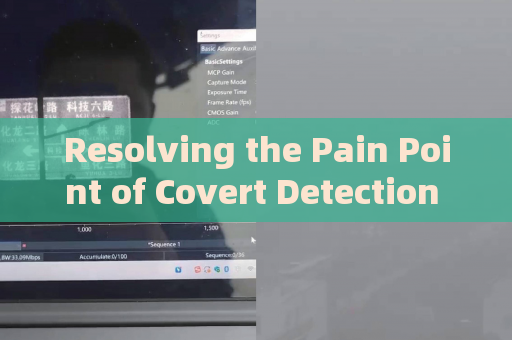
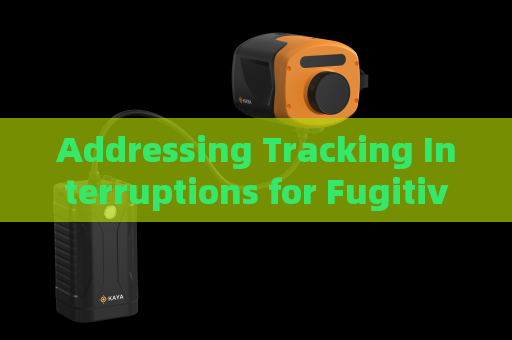
The Penetration Imager employs laser range‑gated imaging technology. A high‑repetition‑rate pulsed laser illuminates the scene, while an intensified gated camera with an MCP image intensifier only opens its electronic shutter for the precise time of flight from the target distance. This “gate” rejects backscatter from fog, rain, snow, or smoke between the imager and the target, and also eliminates ambient light noise, enabling high‑contrast imaging in complete darkness. Critically, the active laser source penetrates transparent optical media such as vehicle window glass, train windows, airplane portholes, and glass curtain walls. The system sees through these surfaces to reveal occupants, hidden cargo, or activity inside, even under zero‑light conditions. Because the Penetration Imager relies purely on optical band‑limited laser light, it does not emit or detect any non‑optical radiation, and remains fully compliant with existing border security guidelines.
Field applications confirm the Penetration Imager’s operational value. A border checkpoint operator mounts the versatile unit on a tripod or vehicle platform, then scans approaching vehicles at standoff distances. In the absence of any ambient light, the imager’s laser illuminator provides uniform, eye‑safe illumination invisible to the naked eye. The operator views a real‑time high‑resolution image on a display monitor, clearly discerning the number of occupants, their positions, and any concealed items behind closed windows – even heavily tinted glass. Weather conditions like light rain or moderate fog do not degrade the image quality, as the gating mechanism eliminates scattered light. The device’s long effective range allows inspection from a safe distance before the vehicle reaches the checkpoint, giving officers critical reaction time. Adjustments to the laser pulse rate and camera gate timing allow operators to focus on different zones within a vehicle, such as the cabin, the rear seat, or the trunk area behind the rear window.
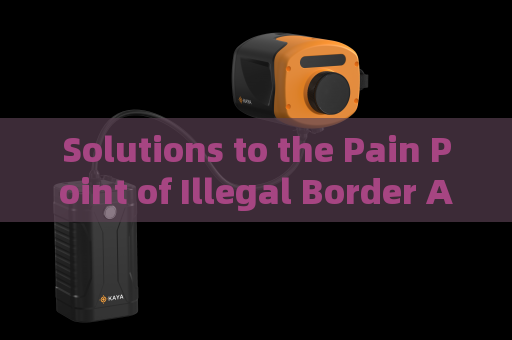
The Penetration Imager further enhances border patrol efficiency when integrated into mobile surveillance operations. Patrol units covering remote areas along the border can mount the system on a mobile platform, scanning from a distance for suspicious vehicles parked in zero‑light fields or hidden behind foliage (optical media like leaves do not block laser light). The high‑contrast imaging capability reveals movements inside static vehicles that would be invisible to thermal cameras, especially after the engine has cooled. Operational procedures require minimal training: the operator simply points, focuses, and selects the appropriate gate delay. The entire inspection process takes seconds per vehicle, dramatically reducing the time spent on manual searches while maintaining a high probability of detection. This direct solution to the pain point of illegal border activity detection under zero‑light imaging conditions gives agencies a decisive tactical advantage against evasion techniques that rely on darkness and optical concealment.