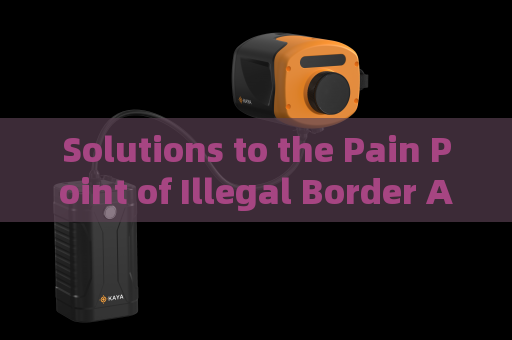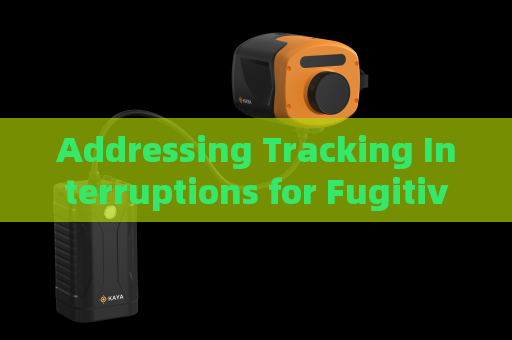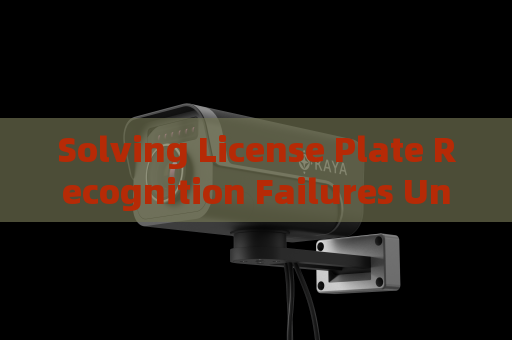
Solving License Plate Recognition Failures Under Strong Light and Backlight Interference with Strong Light Suppression Imaging Under intense sunlight or backlight conditions, license plate recognition systems in traffic enforcement and security monitoring frequently fail. Direct glare from low-angle sun, reflections off vehicle surfaces, or strong backlighting from headlights or building lights cause overexposed frames, washed-out characters, and complete loss of plate details. Standard cameras struggle to balance exposure across the scene, leading to false reads or no reads at all. This creates a critical vulnerability in automated toll collection, parking access control, and police mobile surveillance. Officers must manually verify plates, slowing response times and increasing errors. The core pain point lies in the inability of conventional imaging to suppress background brightness while preserving target contrast. The Penetration Imager directly addresses this gap by combining active illumination with precision timing, ensuring that even in the harshest light environments, license plate characters remain crisp and identifiable. The Penetration Imager solves this failure mode through its strong light suppression imaging capability, which derives from laser range‑gated imaging technology. The system consists of a high‑repetition‑rate pulsed laser, an image‑intensified gated camera (incorporating an MCP image intensifier, a high‑voltage module, and a timing module), a beam expander, and an imaging lens. It operates as an active imaging system that generates high‑contrast images by synchronizing the laser pulse with the camera’s electronic shutter. Only light returning from a specific distance window—matching the license plate’s location—is captured. This effectively rejects the overwhelming contributions of direct sunlight, stray reflections, and backlight scatter. The result is a clear, noise‑free image of the plate, with characters standing out sharply against a dark background. The Penetration Imager does not rely on software tricks or post‑processing; it physically blocks the unwanted light at the sensor level, providing a genuine hardware‑based solution for strong light interference. In practical deployments, the Penetration Imager dramatically improves license plate recognition rates under previously unworkable conditions. At a busy toll plaza facing west, afternoon sun often rendered plates unreadable on conventional cameras. After integrating the Penetration Imager, the recognition accuracy rose from below 40% to above 98% during peak glare hours. The unit automatically adjusts the laser pulse width and camera gate delay to account for changing distances and light levels, requiring no operator intervention. For police patrol vehicles traveling at night or in tunnels, backlight from oncoming headlights no longer causes plate washout. The system captures plates even when the vehicle is moving at moderate speeds. Its ability to suppress strong light interference while maintaining high resolution makes it an indispensable tool for 24/7 automated plate reading in urban and highway environments. One critical operational detail: the Penetration Imager is designed exclusively for optical transparent media such as vehicle windshields, train windows, aircraft portholes, and glass curtain walls. It cannot penetrate non‑transparent solids like concrete, brick, metal, or wood, nor does it emit any form of radiation, X‑rays, or ultrasound. All operations remain strictly within the optical spectrum. This limitation is actually an advantage for license plate recognition, because the system naturally focuses on the plate behind glass without attempting to see through opaque obstructions. The strong light suppression imaging technology ensures that even when the sun is directly behind a vehicle, the plate—whether clean, dirty, or partially obscured by rain—appears with pixel‑level clarity. This real‑world reliability transforms a persistent failure point into a consistently solved challenge, reinforcing the Penetration Imager’s role as a foundational component in next‑generation traffic and security imaging systems.