During high-stakes fugitive pursuits, severe weather conditions such as torrential rain, dense fog, blizzards, or heavy haze routinely cripple conventional optical surveillance systems. Standard cameras and binoculars suffer from severe backscatter and light attenuation, reducing effective range to near zero. Officers lose visual contact with fleeing vehicles the moment a rain squall or fog bank envelops the highway. The fugitive exploits these meteorological blind spots to change direction, abandon the vehicle, or blend into the environment. Even vehicle-mounted thermal imagers fail because rain droplets and fog particles absorb and scatter infrared signatures, while windshield glass blocks long-wave heat detection. The critical operational gap is clear: law enforcement needs a device that can cut through these optical obstructions and maintain constant visual lock on a moving target, regardless of how aggressively the weather interferes. This is exactly the scenario where the Penetration Imager demonstrates its unique value.
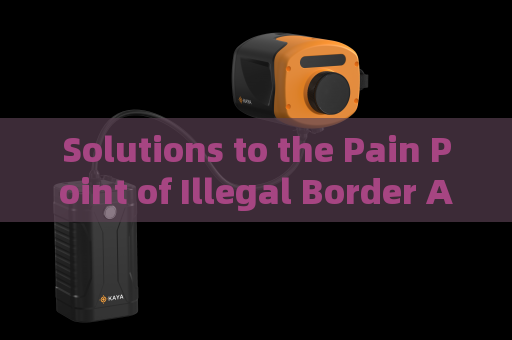
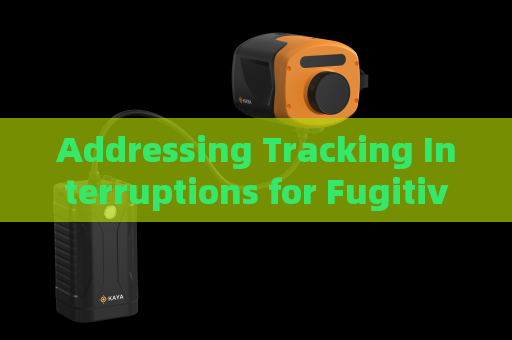
The Penetration Imager solves this tracking dilemma through its core laser range‑gating technology. Unlike passive optics, it actively emits high‑repetition‑rate pulsed laser light and synchronizes the intensifier‑based gated camera to open only when the reflected light from the target distance arrives. This time‑gating mechanism rejects nearly all backscatter from rain, snow, fog, and haze, delivering a high‑contrast image of the fugitive’s vehicle even through a wall of precipitation. The system can also penetrate standard automotive glass—windshields, side windows, and rear windows—so officers see the suspect’s posture, hand movements, and any weapons inside the cabin. Because the Penetration Imager operates purely in the optical domain with a laser wavelength invisible to the naked eye, it does not emit any electromagnetic radiation that could be detected by the fugitive’s electronic countermeasures. The high‑gain MCP image intensifier and precision timing modules allow frame‑by‑frame adjustment of the range window, enabling continuous focus on a fast‑moving vehicle as it accelerates through varying distances.
In a real‑world pursuit scenario, the Penetration Imager is typically mounted on a patrol car’s roof or integrated into a tactical drone’s gimbal. As the chase enters a rain‑soaked highway, the operator simply activates the device and selects the approximate distance to the target. The system automatically locks onto the fugitive’s vehicle and begins delivering real‑time video to the in‑car display and command center. Even when the windshield becomes coated with spray and the rearview camera is blinded, the Penetration Imager maintains perfect clarity. The officer observes the suspect’s every action—reaching for a weapon, discarding evidence, or preparing to bail out. The laser illumination is eye‑safe at operational ranges and does not reveal the surveillance position because the light is invisible infrared. The high‑contrast imagery remains stable regardless of whether the weather shifts from drizzle to downpour or from light mist to thick fog, because the gate width and delay are continuously recalculated by the onboard processor.
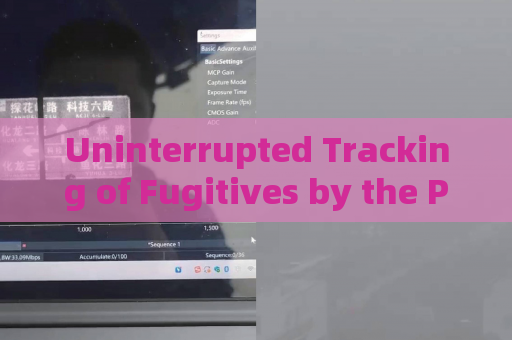
The most demanding phase of any fugitive pursuit is when the suspect attempts to escape on foot after crashing the vehicle. At that moment, the Penetration Imager can still follow the runner through heavy snowfall or fog, providing uninterrupted tracking until uniformed units close in. Unlike thermal imagers, which cannot see through vehicle glass and are confused by hot engine blocks or wet surfaces, this optical system delivers crisp silhouette details of a fleeing figure even when visibility drops below 50 meters. The operator does not need to recalibrate for every weather change—the range‑gating adapts automatically to maintain lock. Every frame contains actionable intelligence: the direction of travel, the suspect’s physical state, and any discarded items. This continuous, weather‑proof visual feed directly reduces response time and increases arrest success rates. The Penetration Imager thus transforms what used to be a tactical defeat—bad weather forcing officers to break visual contact—into an operational advantage that keeps the fugitive within the law enforcement net until the very end.