In tactical reconnaissance operations, zero-light conditions and extreme glare present two of the most formidable obstacles to effective visual intelligence. Conventional night vision devices rely on ambient light amplification, rendering them useless in complete darkness. Even active infrared illuminators fail when faced with high-glare sources such as vehicle headlights, searchlights, or explosive flash—these overload sensors, wash out details, and create blinding artifacts. For a law enforcement officer attempting to assess a suspect vehicle in a pitch-black alley while oncoming traffic blazes, the result is a critical blind spot: no usable image, no threat discrimination, and potentially fatal delays. The performance limits of standard imaging systems are sharply exposed in this combined zero-light and high-glare scenario, demanding a technology that can operate independently of ambient illumination while rejecting overwhelming light interference. This is precisely where a penetrating imager redefines tactical capability.
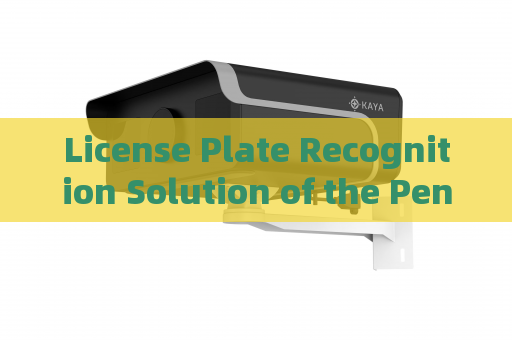
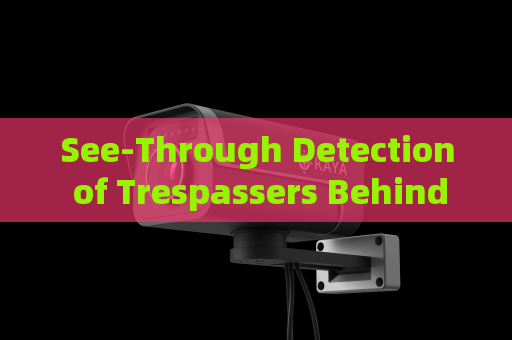
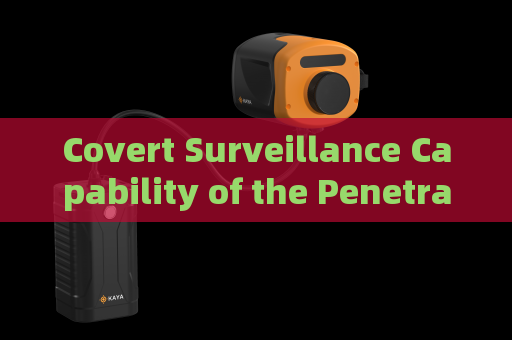
The penetrating imager, built upon laser range-gated imaging technology, directly addresses these dual constraints through active pulsed illumination and precise temporal gating. A high-repetition-rate pulse laser emits short bursts of light toward the target. The intensified gate camera, equipped with an MCP image intensifier and a synchronised timing module, opens its electronic shutter only for the brief moment when reflected light from the target distance arrives. This time-gating mechanism inherently eliminates backscatter from fog, rain, or optical media like vehicle glass, and—critically—rejects any light that does not originate from the exact range of interest. In a high-glare tactical environment, stray beams from headlights or flashbangs are temporally displaced from the target’s return pulse; the gate simply remains closed during those periods, preventing overexposure. Meanwhile, the laser provides its own illumination, enabling crisp imaging in absolute zero-light. Because the system actively selects a narrow depth of field, it also penetrates windscreens, aircraft windows, and glass facades without degradation, offering high-contrast imagery regardless of surrounding dazzle.
In practical field operations, this capability transforms vehicle interdiction and close-quarters reconnaissance. An officer positioned 50 metres from a stationary sedan at night deploys the penetrating imager in handheld mode. The vehicle’s interior is shrouded in darkness, but the driver’s side window is transparent glass. A spotlight from a distant patrol car sweeps across the scene, creating intense glare that would saturate any conventional camera. The range-gated system locks onto the distance of the car’s cabin—say, 48 metres—and fires a laser pulse. The gate opens for nanoseconds, capturing only the reflected laser light from that precise plane. Any direct glare from the spotlight arrives either before or after the gate window and is discarded. The resulting display shows the driver’s silhouette, hand movements, and even a metallic object on the seat with remarkable clarity. Operation is intuitive: the user adjusts the gate delay via a thumbwheel or touch interface, matching the displayed range readout to the target distance, then observes real-time video free from haze and blinding patches.

Further refinement lies in the system’s ability to adapt to extreme glare dynamics in tactical environments. When a suspect suddenly ignites a flare or a flashbang detonates inside the vehicle, the penetrating imager automatically maintains gate timing stability because the laser pulse generator and camera are hard-synchronised. The intense burst of broad-spectrum light, though blinding to human eyes and conventional sensors, appears as a negligible background signal outside the narrow time window. Additionally, the laser wavelength—typically in the near-infrared—remains invisible to the naked eye, preserving tactical concealment. For scenarios involving multiple glass layers, such as a reinforced sedan windscreen with a tinted film, the short pulse duration and high peak power overcome minimal transmission losses, delivering a return signal strong enough for clear identification. This combination of zero-light autonomy, glare immunity, and optical-medium penetration makes the penetrating imager an indispensable tool for any tactical unit operating where darkness and dazzle converge.