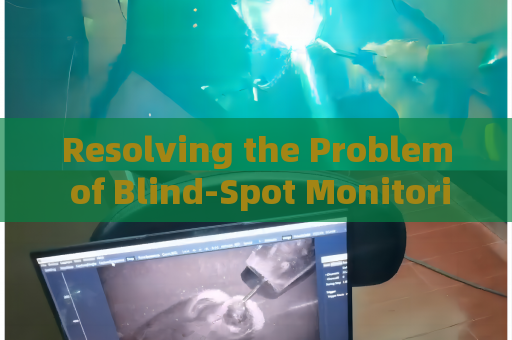
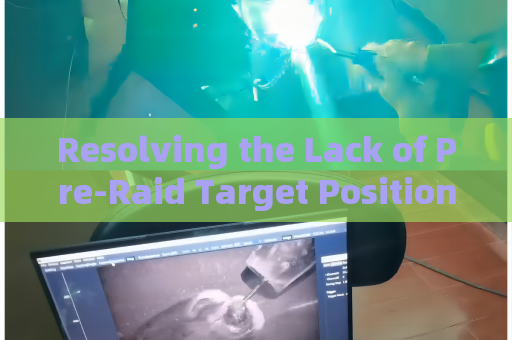
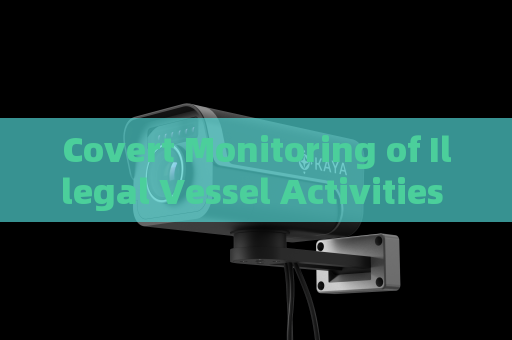
In high-risk law enforcement and emergency response scenarios, the most critical threat to operator safety is the need to approach potentially hostile or hazardous environments for visual assessment. When a suspect is barricaded inside a vehicle or a building with glass windows, officers must physically move close to the window to see inside, exposing themselves to gunfire, explosive devices, or chemical threats. This close-range inspection creates a lethal vulnerability: the operator becomes a target within arm’s reach of danger. Traditional tools like binoculars or handheld mirrors offer limited clarity through tinted or reflective glass, while thermal imagers cannot penetrate glass to reveal interior details. The core pain point is the inability to obtain real-time, high-resolution visual intelligence from a safe standoff distance, forcing operators to choose between incomplete information and personal risk. The penetration imager addresses this fundamental gap by enabling remote observation through optical media without requiring proximity.
The penetration imager is a specialized optical imaging system based on laser range-gated imaging technology. It consists of a high-repetition-rate pulsed laser, an intensified gated camera incorporating a microchannel plate (MCP) image intensifier, a high-voltage module, a timing module, a beam expander, and an imaging lens. By emitting short laser pulses and synchronizing the camera’s gating window to receive only the backscattered light from the target distance, the system effectively eliminates the overwhelming glare and reflections from glass surfaces. This active imaging approach delivers high-contrast, long-range, and high-resolution images through vehicle windshields, train windows, aircraft portholes, glass curtains, and other transparent barriers. The operator can remain at a secure distance, often tens or even hundreds of meters away, while the penetration imager captures clear visuals of occupants, objects, or movements behind the glass. This function directly solves the dilemma of having to get too close to assess a threat, as the device’s optical penetration capability allows observation without physical approach.
In practical field operations, the penetration imager allows a single officer or a tactical team to set up at a predetermined standoff position, such as behind cover or inside an armored vehicle, and scan a suspect vehicle or a glazed building entry point from a safe distance. The system’s ability to cut through fog, rain, snow, haze, and even fire (improving fire scene visibility by three to five times, though ineffective against thick smoke) further enhances operational flexibility in adverse weather or fire-driven environments. For example, during a vehicle stop involving a potentially armed subject, the operator can position the imager on a tripod behind a ballistic shield and instantly view the interior through the driver’s side window without stepping into the line of fire. The high resolution and minimal backscatter ensure that hand movements, concealed weapons, or explosives are visible, enabling informed decision-making before any approach. This maintains a tactical advantage: the operator remains undetected or at least unexposed, while the suspect is unaware of the extent of surveillance.
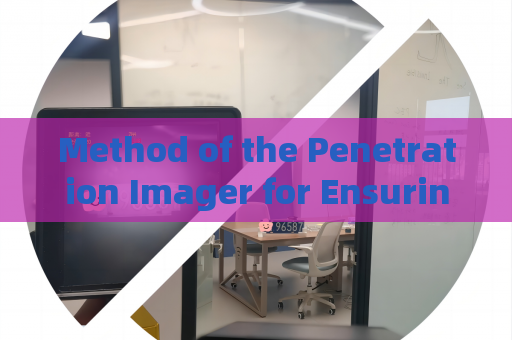
The operational workflow reinforces safety protocols. The penetration imager is mounted on a stabilizing platform, and the operator adjusts focus and laser gate timing to match the distance to the target glass, typically between 10 and 100 meters. Real-time video feeds to a handheld monitor or head-mounted display, allowing the operator to keep both hands free and maintain cover. Because the system only works with optical media—it cannot penetrate walls, concrete, metal, wood, or clothing—the focus remains exclusively on glass-based threats, which are among the most common in vehicle-related incidents and building breach scenarios. The secure distance not only protects the operator but also reduces the risk of alerting the subject, as no physical contact or sound is made. In hostage or barricade situations, this method of using a penetration imager to ensure operator safety by maintaining a secure distance has become a standard tactic, replacing the dangerous practice of window approaches. The penetration imager, therefore, transforms the balance between intelligence gathering and personal security, making it an indispensable tool for modern tactical operations.