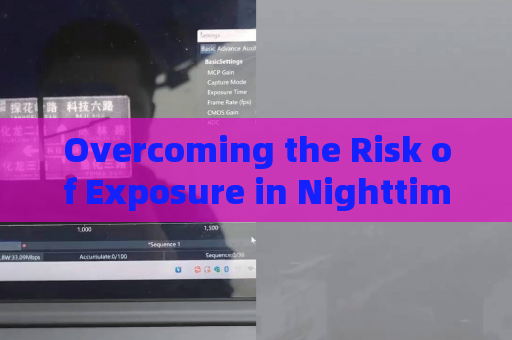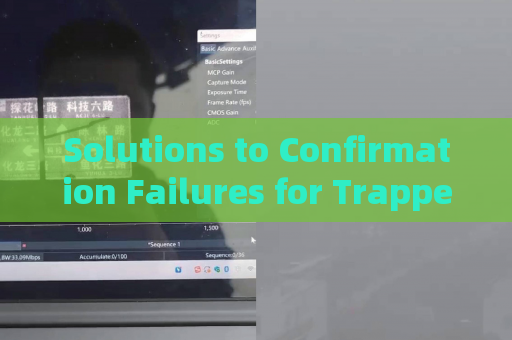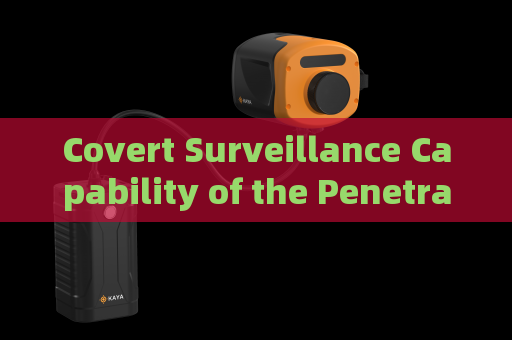
Covert Surveillance Capability of the Penetration Imager with Zero-Light Imaging in Complete Nighttime Darkness Along Borders Along border areas, the requirement for covert surveillance in absolute darkness presents a persistent operational challenge. Conventional night vision devices, such as image intensifiers, fail entirely when ambient light drops to zero—a common condition under heavy cloud cover or in remote, unlit stretches. Thermal imagers, while effective at detecting heat signatures, are easily defeated by vehicle glass, which blocks infrared radiation, and by environmental temperature equalization. Officers stationed at checkpoints or patrolling remote lines must identify threats—hidden occupants in vehicles, contraband concealed behind tinted windscreens, or individuals approaching on foot—without exposing their own position. The inability to see through ordinary automotive glass in pitch-black conditions creates a dangerous blind spot. A flashlight or vehicle headlight would instantly betray the observer, rendering the element of surprise useless. This gap in capability forces border security units to rely on risky close-proximity inspections or to forego early detection altogether. A device that combines zero-light imaging with the ability to penetrate transparent optical barriers is critically needed, and the Penetration Imager directly addresses this void. The Penetration Imager employs laser range-gated imaging technology to solve the dual problem of absolute darkness and optical obstruction. Unlike passive systems, this active imager uses a high-repetition-rate pulsed laser to illuminate the target. The key innovation lies in its intensified gated camera, which opens its shutter only for the precise time window that corresponds to the round-trip travel of laser light reflected from the target. This time-gating mechanism eliminates backscatter from fog, rain, dust, or the reflective surface of vehicle glass itself. The result is a high-contrast, high-resolution image of objects located several hundred meters away, even through car windscreens, airplane windows, or glass curtain walls, in complete zero-light conditions. Because the laser operates in the near-infrared spectrum, the illumination is invisible to the naked eye, ensuring full covertness. The imager does not rely on any external light source and cannot penetrate opaque materials such as walls or concrete—its entire capability is confined to optical media. This specificity makes it an ideal tool for border checkpoints and mobile patrols where the only visual barrier is glass. In practical deployment along border lines, the Penetration Imager allows an operator to remain concealed at a standoff distance of up to several hundred meters while observing the interior of a stopped vehicle or a room behind a window. The system is tripod-mounted for stability, with the operator viewing the scene on a handheld display or through a monocular eyepiece. Adjusting the gate delay—the timing of the camera shutter relative to the laser pulse—enables focusing on different depth layers, such as the driver’s seat versus the rear cargo area. By simply turning a knob, the operator can scan through layers of glass and darkness to reveal a subject’s hands, facial expressions, or hidden objects on the seat. The entire process generates no visible light, no audible sound, and no radio frequency emission that could be detected by electronic countermeasures. This covert surveillance capability transforms a previously invisible threat into a clearly observed target, allowing border agents to make informed decisions before any close encounter occurs. The operational value extends to adverse weather conditions common in border environments. Heavy fog, rain, or blowing dust often degrades standard optics, yet the gate-imaging architecture of the Penetration Imager effectively suppresses these atmospheric scatterers. In a nighttime border crossing scenario where a vehicle approaches through a dust cloud or light mist, the imager still delivers a usable image of the occupants behind the windshield. For fire-related incidents—such as a burning vehicle at a checkpoint—the device can improve visibility through flames by a factor of three to five, though it remains ineffective against thick smoke. Patrol leaders using the Penetration Imager can maintain continuous observation of a suspicious person hiding behind a glass door in complete blackness, without ever needing to illuminate the area. This zero-light, through-glass capability is not a substitute for X-ray or radar systems; it is a pure optical tool that leverages the physics of laser time-of-flight. Border security forces equipped with this technology gain a decisive advantage: the ability to see what no other device can see, in total darkness, without ever revealing that they are watching.