Maritime law enforcement faces a persistent and difficult challenge when attempting to monitor illegal vessel activities from a safe, covert distance. Smugglers, illegal fishers, and human traffickers often operate under cover of darkness, fog, or sea spray, and their vessels are designed to conceal illicit actions behind tinted or reflective cabin windows, portholes, and helm windscreens. Conventional optical surveillance systems—binoculars, cameras, or thermal imagers—are routinely defeated by these optical barriers. Glass surfaces produce glare from sunlight or artificial light, while precipitation and sea mist scatter visible light, creating a blurred or entirely blocked view of the interior. Even from a helicopter or a distant patrol boat, officers cannot confirm what is happening inside the wheelhouse or cargo hold. This intelligence gap allows criminal crews to destroy evidence, hide contraband, or alter course before any interception can be made. The penetration imager directly addresses this critical operational pain point by harnessing advanced optical technology to see through precisely those barriers that thwart traditional observation.
The penetration imager is an active imaging system built around laser range-gated imaging technology, also known as gated imaging. Its core components include a high-repetition-rate pulsed laser, an intensified gated camera housing a microchannel plate (MCP) image intensifier, a high-voltage module, a timing control module, a beam expander, and an imaging lens. Unlike passive systems that rely on ambient light, the penetration imager emits short, intense laser pulses and synchronizes the camera’s shutter to open only when light reflected from the target distance returns. This gating process effectively rejects backscatter from atmospheric particles, rain, fog, or spray, producing a high-contrast, high-resolution image even in low-visibility conditions. The system is specifically designed to penetrate optical media such as tempered glass, laminated windscreens, aircraft portholes, and glass curtain walls. For maritime monitoring, this means the imager can cut through the glare and dirt on a vessel’s windows to reveal the occupants, cargo, and equipment inside the cabin. It operates at a substantial standoff range, allowing enforcement personnel to remain undetected while gathering critical evidence.
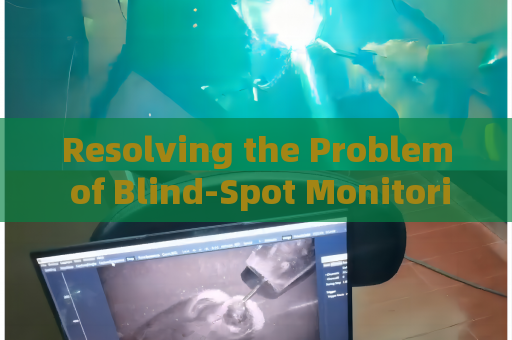
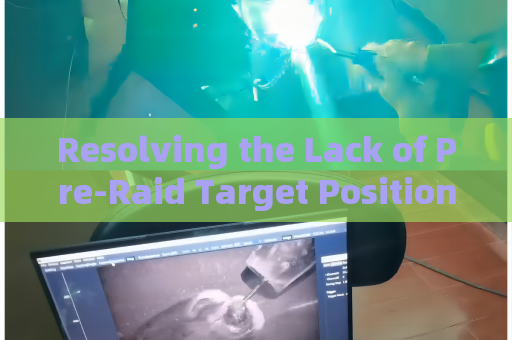
In practice, the penetration imager is deployed from a stable platform such as a helicopter, a fixed-wing aircraft, or a shore-based observation post equipped with a gyro-stabilized mount. An operator aims the system at the target vessel and adjusts the range gate to match the distance to the bulkhead behind the window. The pulsed laser illuminates the scene, and the gated camera captures only the returning light from the selected depth, eliminating reflections from the glass surface and any intervening particles. Within seconds, a clear, detailed image of the vessel’s interior appears on the display—people, objects, and actions become visible as if the glass were not there. For example, during a night operation in heavy fog, a patrol aircraft can observe a fishing boat suspected of transshipping drugs. The penetration imager reveals crew members moving crates from the main cabin to a hidden hatch, even though the boat’s windows are heavily misted and the deck is lit only by dim red light. This capability transforms a blind surveillance scenario into actionable intelligence, enabling precise arrest timing and safe boarding procedures.
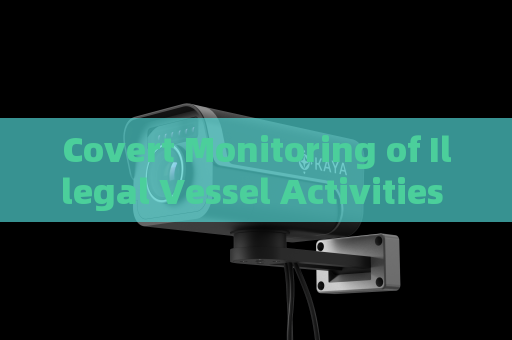
The evidence gathered by the penetration imager can be recorded digitally and streamed in real time to a command center, where analysts and prosecutors can review the footage without relying on witness testimony. The system’s high frame rate and resolution capture subtle movements, such as the opening of concealed compartments or the handling of weapons, providing irrefutable proof of illegal activity. Operation requires minimal training: the user selects the range, adjusts focus, and monitors the screen for target exposure. The imager performs equally well against rain, moderate sea spray, and airborne dust, though it cannot penetrate dense smoke or non-transparent solids such as hull plating. For the specific scenario of covert vessel monitoring, this limitation is irrelevant because the cabin windows and hatches are transparent optical media. By stripping away the visual barriers that have long protected maritime criminals, the penetration imager elevates surveillance from guesswork to certainty, making it an indispensable tool for modern coastal and blue-water law enforcement operations.