Under the cover of nighttime darkness, smugglers exploit vehicle blind spots—areas concealed by heavily tinted windows, reflective coatings, or dim ambient light—to transport contraband, hide suspects, or avoid detection during border crossings and highway interdictions. Traditional surveillance tools like thermal imagers capture heat signatures but cannot see through glass, while standard night vision devices are rendered useless by glare from headlights, street lamps, or reflections. The most critical blind spot is the vehicle interior itself, where officers must visually confirm occupants, weapons, or illicit cargo without physically approaching the car—a maneuver that risks officer safety and alerts smugglers. This scenario demands a non-contact, see-through-glass capability that operates effectively in total darkness, without reliance on ambient illumination or thermal differentials. The Penetration Imager, an advanced optical system built on laser range-gated imaging technology, directly addresses this operational gap.
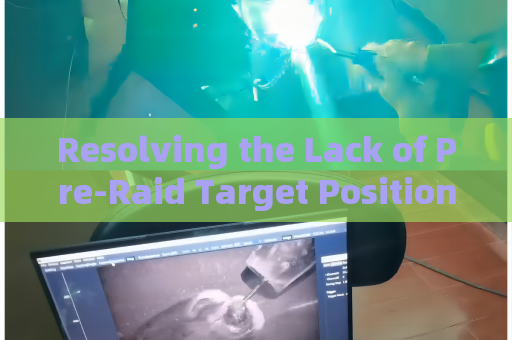
The Penetration Imager employs a high-repetition-rate pulsed laser synchronized with an intensified gated camera featuring a microchannel plate (MCP) image intensifier, a high-voltage module, and timing circuitry. By emitting short laser pulses and opening the electronic shutter only when reflected light from the target returns, the Penetration Imager eliminates backscatter from fog, rain, snow, and—critically—automotive glass, including deeply tinted, laminated, or treated windows. This gated imaging technique achieves high-contrast image quality in pitch-black conditions, delivering clear views of the vehicle cabin’s contents. Unlike passive night vision, the Penetration Imager is an active imaging system that provides its own illumination, ensuring consistent performance regardless of external lighting. The Penetration Imager’s ability to penetrate optical media such as car windows resolves the blind-spot monitoring problem that conventional optics cannot overcome, enabling law enforcement to see through a suspect vehicle’s opaque glass from a safe standoff distance.
In field operations, the Penetration Imager is deployed from a stationary observation post or a moving patrol vehicle, aimed at a suspicious car stopped at a checkpoint or moving at low speed. The Penetration Imager’s built-in beam expander and imaging lens focus the laser pulse and collect reflected light, delivering a real-time video feed of the vehicle’s interior—including seats, floorboards, footwells, and even the trunk area if accessible through the rear window. This capability allows officers to detect hidden smugglers, weapons, or contraband without physically approaching the vehicle, thereby maintaining tactical advantage and officer safety. The Penetration Imager’s high resolution and long effective range provide clear identification of details such as facial features, hand movements, or package shapes, even through glare or in complete darkness.
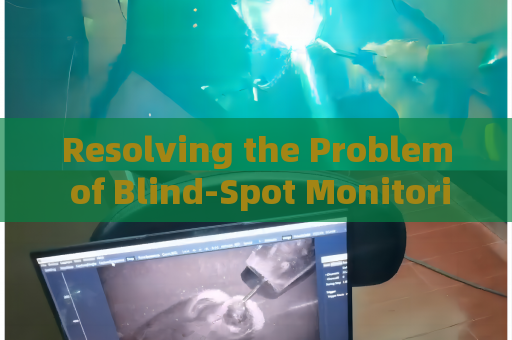
Operational settings include border crossings, highway interdiction points, and remote surveillance of suspected smuggling routes. The Penetration Imager’s immunity to adverse weather—rain, fog, snow—and its ability to see through heavily tinted glass in zero-light conditions make it an indispensable tool for nighttime anti-smuggling operations. Officers can maintain safe standoff distances, monitor multiple vehicles sequentially, and record evidentiary video without alerting suspects. Unlike X-ray or radar-based systems, the Penetration Imager is purely optical, emitting no ionizing radiation and requiring no physical contact, aligning with legal and safety protocols. The Penetration Imager revolutionizes blind-spot monitoring for law enforcement, turning the vehicle’s opaque cabin into a transparent observation window under the cover of darkness.