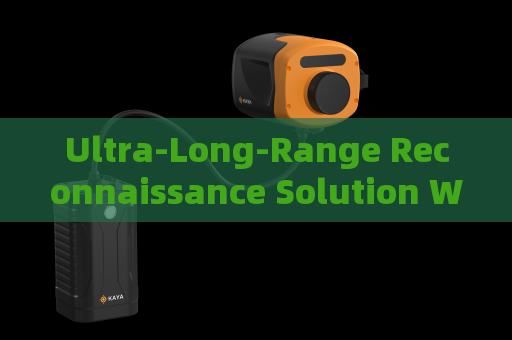
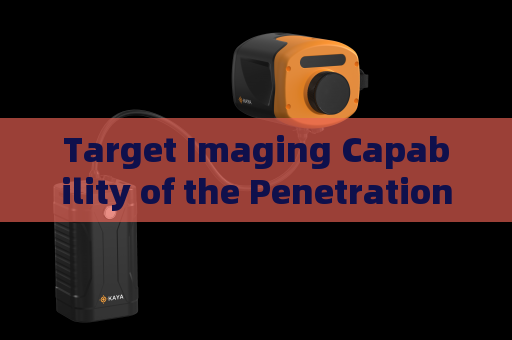
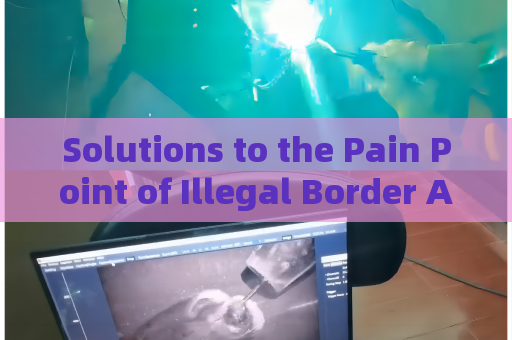
Illegal vessel activities, such as smuggling, illegal fishing, or drug trafficking, often occur within enclosed spaces like wheelhouses, cabins, or cargo holds that are partially shielded by glass. Traditional optical surveillance tools—binoculars, cameras, or night-vision devices—struggle with glare, reflections, and backscatter from the glass itself, especially under adverse weather conditions like rain, fog, or sea spray. A law enforcement patrol boat must maintain a safe distance to avoid detection, yet the need to visually confirm illicit actions through windows is critical for probable cause and tactical planning. The core challenge lies in obtaining clear, real-time imagery of activities behind glass without alerting the suspects or compromising the element of surprise.
The Penetration Imager directly addresses this pain point through its laser range-gated imaging technology. Unlike conventional passive optics, this active imaging system emits short, high-repetition pulses from a pulsed laser, and a gated intensified camera captures only the light reflected from a specific depth slice. By precisely timing the gate delay, the system rejects backscatter from the glass surface and intervening atmosphere, producing a clean image of the scene beyond the window. The device operates effectively through standard marine glass, aircraft windows, and other transparent barriers, while also penetrating fog, light rain, and sea mist that would otherwise degrade visibility. Its active illumination ensures high contrast and long-range capability, allowing operators to identify individuals, objects, or behaviors inside a vessel’s cabin from several hundred meters away.
In practical maritime law enforcement operations, the Penetration Imager is mounted on a stabilized tripod aboard a patrol boat or a coastal observation post. An operator scans a target vessel suspected of illegal transshipment. Even when the sun glares off the wheelhouse windows or rain streaks across the glass, the imager delivers clear, crisp images of the crew handling contraband. The real-time video feed is displayed on a ruggedized tablet, enabling the command team to assess the threat level and decide whether to initiate a boarding. The unit’s stealth is a key advantage—its laser is invisible to the naked eye and does not produce any audible or visible signature that would betray the surveillance. This covert capability allows persistent monitoring without triggering countermeasures such as destruction of evidence or escape attempts.
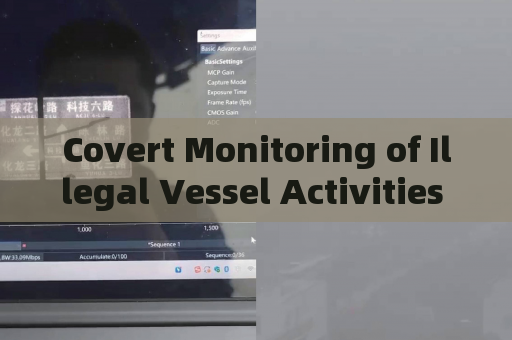
During night missions, the device performs equally well, as its active illumination does not rely on ambient light. The high-resolution image captures fine details like faces, tattoos, or specific cargo markings through laminated glass, even when the vessel is rocking in moderate seas. The Penetration Imager’s ability to overcome fog and spray further extends operational windows, turning what was once a weather-dependent blind spot into a reliable intelligence-gathering tool. For agencies tasked with intercepting illegal fisheries, the imager can confirm the presence of hidden catch or prohibited gear behind the cabin windows of a suspicious trawler. By providing non-intrusive, optical-only penetration of glass barriers, the device preserves the legal validity of evidence while keeping officers at a safe standoff distance.