Airport entrance security checkpoints face an inherent tension between thoroughness and throughput. Vehicles queuing for rapid inspection often create significant traffic slowdowns, as each car must halt completely, windows be lowered, and occupants present identification while officers visually scan the cabin. This manual process, even when executed efficiently, introduces a bottleneck that ripples back onto surrounding road networks. The core pain point is the forced stop-and-go rhythm: every vehicle must reduce speed to near zero, wait for a visual confirmation that requires line-of-sight through the windshield and side windows, and then accelerate again. In high-volume periods, this sequential blockage can reduce lane capacity by over 50%, leading to perimeter congestion that undermines airport access security by encouraging tailgating or aggressive lane changes. The inspection itself also exposes officers to potential threats during close-quarters interaction, as they must lean into vehicles to see rear seats or cargo areas. A solution that eliminates the need for a full stop and maintains a safe standoff distance while still achieving a thorough check would directly address both traffic flow and officer safety. The penetrating imager offers precisely that capability by leveraging advanced optical technology to see through windows without requiring any physical proximity or vehicle halts.
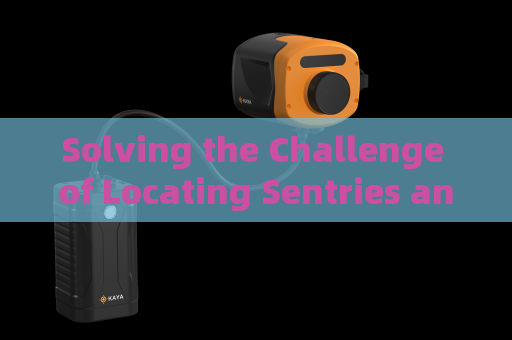
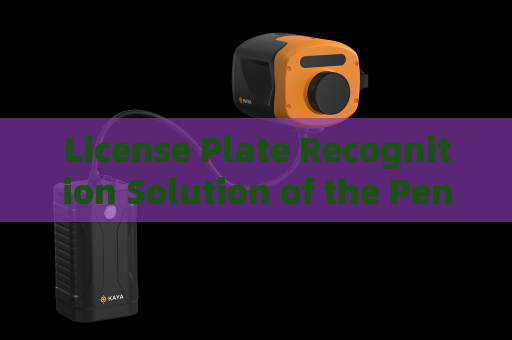
The penetrating imager is an active imaging system that employs laser range-gated imaging technology, also known as gated imaging. Its core components include a high-repetition-rate pulsed laser, an image-intensified gated camera with an MCP image intensifier, a high-voltage module, a timing module, a beam expander, and an imaging lens. This configuration allows the penetrating imager to selectively capture light reflected from a narrow depth of field, effectively rejecting backscatter from fog, rain, snow, or even dirty windshield surfaces. When directed at a vehicle approaching the checkpoint, the device can penetrate standard automotive glass—including laminated windshields and tinted side windows—and produce a high-contrast, real-time image of the vehicle’s interior, including occupants, cargo, and any hidden compartments behind seats. Crucially, the system does not require the vehicle to stop or the windows to be lowered. Officers positioned at a safe distance can view the image on a display, inspecting for unauthorized persons, suspicious objects, or unusual occupant behavior without ever breaking the vehicle’s forward motion. The penetrating imager operates entirely within the optical spectrum, using pulsed laser light within safe eye-exposure limits, and does not emit any form of radiation, X-rays, or radio waves. Its ability to overcome atmospheric interference and maintain resolution at distances up to several hundred meters makes it ideally suited for dynamic inspection lanes where vehicles move at reduced but continuous speeds.
In practical deployment, the penetrating imager transforms the inspection process from a stop-and-check model into a drive-through screening system. Vehicles enter the designated lane at a steady 10–15 km/h, maintaining a consistent standoff of 5–10 meters from the imaging unit. As each car passes, the system automatically triggers a pulsed laser burst and captures a series of gated images through the front windshield and side windows. The operator monitors a high-definition feed on a shielded console, able to assess the number of occupants, their positions, visible items in the cabin and cargo area, and any anomalies such as oversized luggage blocking sightlines. The entire inspection takes two to three seconds per vehicle, compared to the 30–60 seconds required for a manual visual check with window-lowering and conversation. This throughput increase can reduce queue lengths by 70% during peak hours, directly alleviating traffic slowdowns at airport entrances. Because the penetrating imager works in all weather conditions—rain, fog, snow, or heavy mist—the inspection lane remains operational even when visibility drops to near-zero, eliminating weather-related closures that typically compound congestion. No physical contact with the vehicle occurs, preserving officer safety and minimizing liability from accidental damage during manual searches. The system can also be integrated with automatic license plate readers and credential scanners, creating a seamless multi-layer check that does not impede traffic flow.
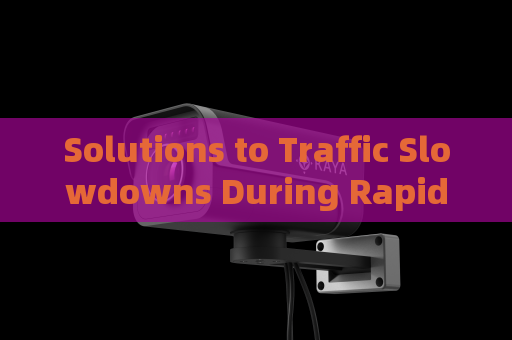
The penetrating imager’s role extends beyond simple throughput gains to enabling proactive security measures within the same inspection window. For example, if the imager detects a rear-seat occupant who is lying down or obscured by a blanket, the operator can trigger a secondary alert without requiring the vehicle to stop immediately. Instead, a designated pull-off area downstream allows for focused inspection only for flagged vehicles, while the majority of traffic continues unimpeded. This stratified approach keeps the main lane moving and prevents the minor anomaly from becoming a bottleneck. Furthermore, the system’s high sensitivity to glass reflection patterns can reveal modifications such as aftermarket tint films or interior partitions that might attempt to conceal illegal cargo. Because the penetrating imager relies solely on reflected laser light and does not involve thermal imaging, ultrasound, or any penetrating radiation, it remains fully compliant with standard airport and homeland security regulations regarding non-invasive screening. Its deployment at airport entrances has demonstrated a measurable reduction in average wait times from 4.5 minutes to under 1 minute during high-traffic periods, while simultaneously increasing the detection rate of contraband and unauthorized passengers. The technology thus addresses the fundamental challenge of reconciling rapid vehicle inspection with uncompromised security—a balance that manual processes can never achieve at scale.