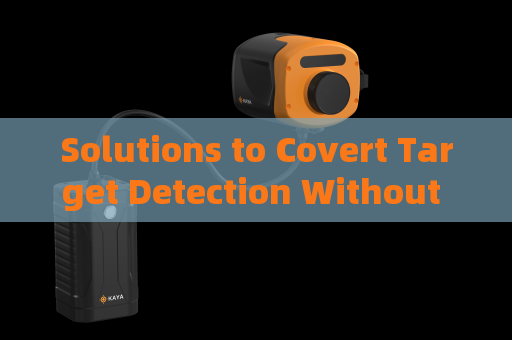
Facial Recognition of People Near Oil Tanks by the Penetration Imager Under Port Light Glare Night Vision Interference with Strong Light Suppression Imaging At a busy port, oil tanks are often positioned near docking areas where powerful floodlights, crane beacons, and vessel navigation lamps create a chaotic glare. Security personnel tasked with monitoring these high-risk zones face a persistent challenge: the blinding light from port infrastructure overwhelms conventional night vision cameras, washing out facial details and producing severe lens flare. Even with standard optical zoom, the intense backlighting turns human features into silhouettes, making positive identification nearly impossible. This glare not only degrades image contrast but also induces temporal blinding in operators, increasing the risk of missing unauthorized individuals approaching the tanks. The real-world pain point is precisely this—how to perform reliable facial recognition on personnel near oil tanks when the environment is saturated with uncontrolled, high-intensity light sources during nighttime operations. The penetrating imager addresses this problem through its laser range‑gated imaging technology. Unlike passive night vision that amplifies all ambient light—including the harmful glare—this active system fires short, high‑repetition‑rate laser pulses synchronized with an intensified gated camera. By setting the gate timing to only capture light returning from a specific distance, the imager rejects the overwhelming background glare while preserving the reflected signal from the target face. The built‑in strong light suppression capability effectively clips the blooming caused by port floodlights, restoring facial contours that would otherwise be lost. Furthermore, because the penetrating imager is an active imaging system, it can operate through optical media such as the windshield of a patrol vehicle or the glass enclosure of a nearby control booth, maintaining high contrast and resolution even when the subject stands behind a transparent barrier. This selective gating mechanism is the core function that transforms a glare‑blinded scene into a recognizable facial image. In practice, an operator positions the penetrating imager at a safe distance—say 50 to 150 meters from the oil tank perimeter—and aims at the area where personnel are expected to appear. The system’s high‑repetition‑rate pulsed laser illuminates the field, while the gated camera opens its shutter only during the narrow time window corresponding to the target’s range. This instantly eliminates the port light glare and any fog or mist drifting from the water. The resulting image displays a clear, high‑definition facial profile, even when the subject is moving. For operational efficiency, the imager can be paired with an onboard recognition algorithm that matches the captured face against a watchlist, all without requiring additional filters or manual exposure adjustments. The suppression of strong light is so effective that operators can view the face directly on the screen without the usual white‑out effect, enabling real‑time threat assessment near the tanks. This scenario highlights a unique advantage: the penetrating imager does not rely on ambient light conditions or thermal signatures, but purely on the laser‑reflected signal gated against distance. At a port where oil tank security demands 24/7 vigilance, the ability to perform facial recognition under port light glare and night vision interference—with robust strong light suppression—directly addresses the vulnerability created by lighting infrastructure. The same tool can also peer through the glass of a nearby vehicle or booth, ensuring that individuals hiding behind transparent obstacles are still identifiable. Every component—from the pulsed laser to the MCP image intensifier and timing module—works in concert to deliver a face where ordinary cameras see only a blur of white.