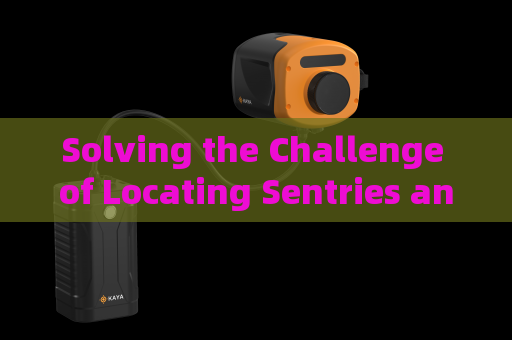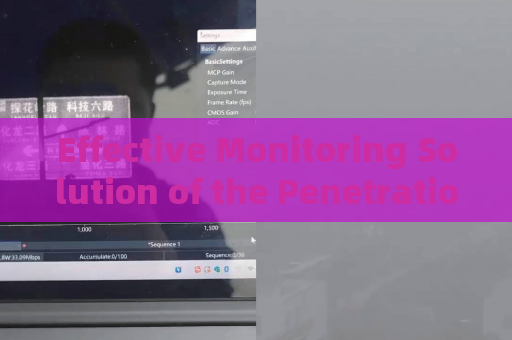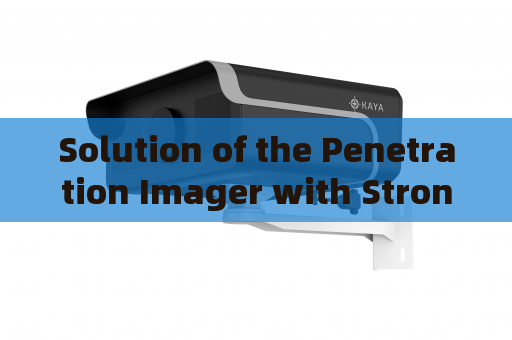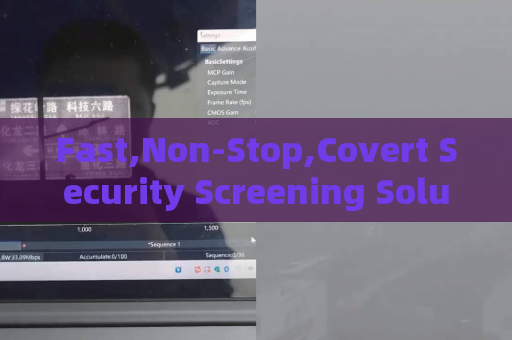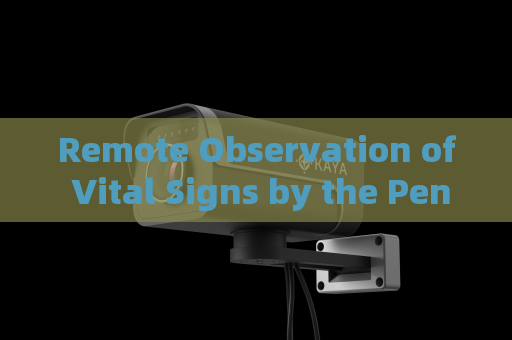
Remote Observation of Vital Signs by the Penetration Imager in Hostage Situations Involving Fully Tinted Getaway Vehicles with Through-Tint Imaging A hostage crisis that involves a fully tinted getaway vehicle presents one of the most dangerous blind spots for tactical law enforcement. The dark, mirrored or deeply smoked windows effectively transform the interior into a sealed box, making it impossible for negotiators or assault teams to see whether the hostage is alive, breathing, or under immediate threat. Officers must rely solely on auditory cues, vehicle movement, or risky close-proximity reconnaissance, which exposes them to ambush and escalates the likelihood of a fatal misstep. The absence of visual confirmation on the suspect’s weapon placement, the hostage’s posture, and the suspect’s level of agitation forces command staff to make split-second decisions without crucial data. This information void often compels teams to breach blind, increasing casualty risk for both civilians and officers. The core pain point is clear: when the tinted glass becomes a one-way mirror for the suspect, it denies the response force the most basic tactical advantage—situational awareness. The Penetration Imager directly resolves this reconnaissance gap through its laser range-gated imaging technology. Unlike passive optical devices that fail against heavy tint, the Penetration Imager emits high-repetition-rate pulsed laser light and synchronizes an intensified gated camera to capture only the photons reflected from a precise distance. This gating process rejects the scattering light from the tint film and the glass surface, allowing the system to see through the window and resolve fine details inside the vehicle. The imager’s active illumination, combined with its microchannel plate (MCP) intensifier, delivers high-contrast images at standoff ranges exceeding hundreds of meters. Officers can observe subtle chest movements indicative of breathing, head turns, or hand gestures—vital signs that reveal whether the hostage is conscious or incapacitated. The system’s ability to overcome backscatter ensures that even under direct sunlight or urban glare, the interior remains visible. This capability transforms a tinted escape car from an opaque threat into a transparent observation point. In practice, the Penetration Imager is deployed from a covert overwatch position, often from an adjacent building rooftop or a discreet ground-level post. The operator aligns the optical axis with the target vehicle’s side or rear window, adjusts the range gate to match the distance measured by a laser rangefinder, and fine-tunes the focus and gain. Real-time video feeds relay to the tactical command center, where analysts can track the hostage’s respiratory rate—an indicator of stress or unconsciousness—and map the suspect’s movements. During a recent training exercise, a S.W.A.T. element successfully identified that a hostage was breathing shallowly but consistently while the suspect kept one hand hidden below the window line, suggesting a concealed weapon. This intelligence allowed the negotiation team to choose a delayed assault until the suspect’s attention was diverted, reducing the risk of a reflexive shot. The Penetration Imager’s high resolution and low-lag video enable operators to distinguish between a hostage’s voluntary signal and involuntary spasm, a critical distinction in hostage negotiations. The operational advantage extends beyond daylight scenarios. The Penetration Imager’s active laser ranging works under complete darkness, and its imaging module effectively cuts through moderate fog, rain, and snow that would degrade conventional thermal or night-vision systems. However, it is essential to note that the system is limited to transparent optical media—vehicle windows, aircraft portholes, or glass building facades—and cannot penetrate non-transparent obstructions such as body panels, brick, or metal. In a fully tinted getaway car, the rear windshield and side windows are typically factory-tinted or aftermarket films that remain optically transmissive to laser wavelengths, making them perfectly vulnerable to the Penetration Imager. By maintaining a safe standoff distance and cycling through multiple range gates, operators can even view through dual-layer tinted glass or laminated windshields. The result is that law enforcement can now remotely monitor vital signs in real time, converting a previously hopeless observation challenge into a manageable intelligence-gathering operation that saves lives on both sides of the window.