In ultra-long-range covert reconnaissance, the operational environment demands absolute stealth. Traditional optical tools—spotting scopes, telephoto lenses, or night vision devices—often require close proximity or supplemental illumination, which can betray the observer’s position. A glint of sunlight on a lens, the faint glow of an infrared illuminator, or the need to reposition a vehicle for a better angle may instantly alert a suspect, compromising an entire mission. The challenge is acute when observing subjects inside vehicles, where tinted glass, reflections, and distance obscure critical details such as facial features, hand gestures, or hidden objects. Any visible signature—a flash, a shadow, or an unnatural light source—can trigger evasive actions, turning a planned interdiction into a failed operation.
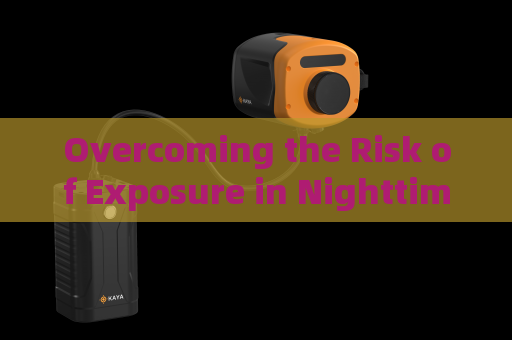
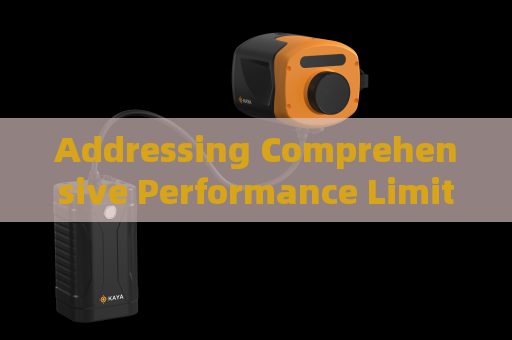
The penetrating imager directly addresses this pain point through laser range-gated imaging technology. This advanced optical instrument employs a high-repetition-rate pulsed laser coupled with an intensified gated camera, a beam expander, and an imaging lens. By emitting ultra-short laser pulses in the near-infrared spectrum—invisible to the human eye and undetectable by standard counter-surveillance equipment—the system actively illuminates a target at extreme distances. The gated camera, synchronized with the laser pulses, captures only the light reflected from a precise depth slice while rejecting backscatter from fog, rain, or intervening glass. This enables the penetrating imager to see through vehicle windshields, train windows, and aircraft portholes without generating any visible or electronic signature that would reveal the reconnaissance post. The technology ensures high-contrast, high-resolution imagery even over kilometers, entirely eliminating the risk of alerting suspects through light leakage or reflection.
In field operations, the penetrating imager is deployed from fixed observation points, unmarked vehicles, or elevated platforms, with operators using a ruggedized control unit to set distance gates and zoom levels. For example, during a counterterrorism surveillance task at 800 meters, a suspect vehicle parked behind a chain-link fence and obscured by heavy rain becomes a viable target. The operator adjusts the range gate to match the vehicle’s interior depth, and the system immediately renders a clear image of the occupants’ movements—hands reaching under seats, faces turning toward windows—despite the downpour. The absence of any visible laser flash or audible noise means the suspect remains unaware of the observation. The penetrating imager also performs reliably through haze, smoke, and fire, boosting visibility in fire-affected zones by three to five times, though thick smoke remains its limitation.
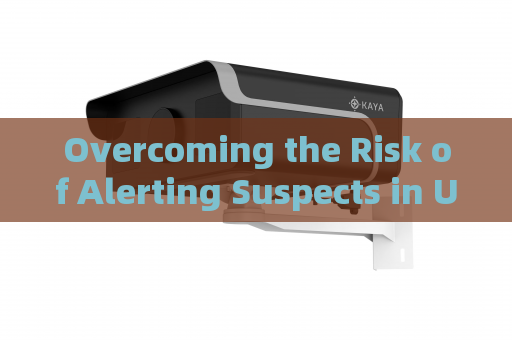
The critical advantage lies in the extended engagement window this system provides. Traditional reconnaissance often forces a choice between gathering incomplete intelligence at safe distances or moving closer and risking exposure. With the penetrating imager, law enforcement and military units can maintain standoff ranges exceeding one kilometer while obtaining forensic-grade imagery through glass and adverse weather. This shifts the tactical balance: suspects cannot predict when or from where they are being watched, and the operator’s position remains entirely concealed. Every observation is passive from the suspect’s perspective, yet active in terms of imaging capability. The penetrating imager’s ability to overcome the risk of alerting suspects in ultra-long-range covert reconnaissance transforms static surveillance into a dynamic, safe, and decisive tool for pre-emptive operations.