In tactical law enforcement operations, such as border patrol checkpoints or dynamic SWAT entries, officers frequently encounter a critical visual blind spot: the inability to see through vehicle windows or building glass under challenging conditions. Standard optical devices like binoculars or spotlights are often defeated by window tinting, rain-streaked surfaces, or reflections from ambient light. During a vehicle stop, a suspect inside a car may be obscured by glare or aftermarket film, leaving officers uncertain about the presence of a weapon or hidden contraband. Similarly, in a high-risk raid, a closed window with frosted glass or heavy drapes prevents any pre-entry assessment. This limitation forces personnel to approach closer, increasing exposure to ambush. Fire rescue scenarios add another layer: flame-generated heat and steam can distort vision through glass, while smoke or fog further reduces situational awareness. The core problem across these domains is the absence of a reliable tool that can optically penetrate common glass barriers while maintaining high resolution and contrast in degraded environments.
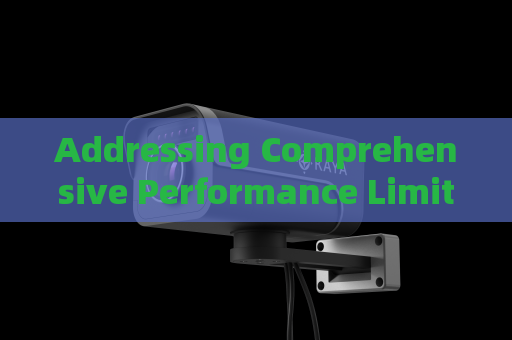
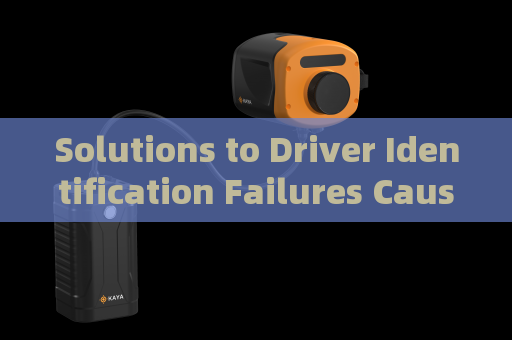
The penetration imager directly addresses this deficiency through its laser range-gated imaging technology. Unlike passive optics, this active imaging system emits short, high-frequency laser pulses and synchronizes a gated camera to capture only the light returning from a specific distance. This gating mechanism effectively strips away backscatter from rain, fog, or fire-generated turbulence, and rejects reflective glare from glass surfaces. The system comprises a pulsed laser, an intensified gated camera with a microchannel plate, a beam expander, and an imaging lens. By adjusting the gate delay, operators can selectively image objects behind car windshields, armored glass, or aircraft portholes. The penetration imager delivers high-contrast, long-range views even through double-pane windows or laminated glass, where conventional cameras fail. Its active nature ensures consistent performance under low-light or no-light conditions, making it a decisive asset for pre-engagement reconnaissance.
Field deployments have demonstrated the penetration imager’s practical value. Border patrol agents can scan a vehicle’s interior from a standoff distance of fifty to one hundred meters, identifying occupants, their movements, and potential threats without approaching the hazard zone. In SWAT raids, teams position the device outside a target building’s window and obtain real-time imagery of rooms beyond the glass, noting furniture layouts, hostage positions, or concealed adversaries. The system operates effectively in rain or moderate fog, as the laser pulses penetrate water droplets while the gated sensor rejects scatter. For fire rescue, the imager increases visibility through fire-generated haze by three to five times, allowing firefighters to locate victims behind heat-distorted windows or through dense smoke-free gaps. Operators simply aim the device, adjust focus, and observe the display—no complex calibration is required. The rugged design withstands shock and vibration, and the battery-powered unit supports extended missions without external power.
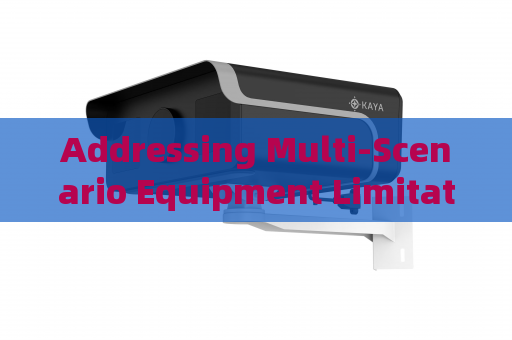
Integrating the penetration imager into standard tactical kits fills a long-standing gap in multi-scenario equipment. Officers no longer rely solely on thermal imagers, which cannot see through glass due to thermal reflection, or on X-ray systems that require close proximity. Instead, this optical tool provides a safe, non-invasive solution for peering into vehicles and structures. In border patrol, it reduces the need for risky visual inspections at checkpoints. During SWAT entries, it enables commanders to make informed tactical decisions before breaching. For fire rescue, it cuts through flame glare to identify entry points. The device’s ability to operate in diverse weather and lighting conditions—from bright daylight to pitch darkness—makes it a versatile asset. As agencies seek to mitigate officer risk and improve situational awareness, the penetration imager stands out as a purpose-built system for overcoming glass and atmospheric obscurants in law enforcement and emergency response.