Addressing Reconnaissance Gaps for Indoor Personnel and Weapons in Urban Narrow-Space Operations with Laser Range-Gated Imaging
Urban narrow-space operations—such as clearing building corridors, subterranean passages, or contested stairwells—present a persistent reconnaissance blind spot for tactical teams. Standard optical devices fail when confronted with reflective surfaces like tempered glass doors, security windows, or vehicle windshields, which scatter visible light and mask occupants or concealed weapons. Smoke from pyrotechnic flashbangs, residual haze from nearby fires, and even heavy rain seeping through damaged ceilings further degrade image contrast. The core challenge is that personnel and weapons can remain invisible from standoff distances until the entry team is already exposed, turning every threshold into an ambush point. Conventional night vision or thermal imagers are useless behind transparent barriers, and radar-based systems introduce detection signatures or cannot distinguish a firearm from structural clutter. This gap forces operators to rely on risky close-proximity checks, escalating casualty potential.
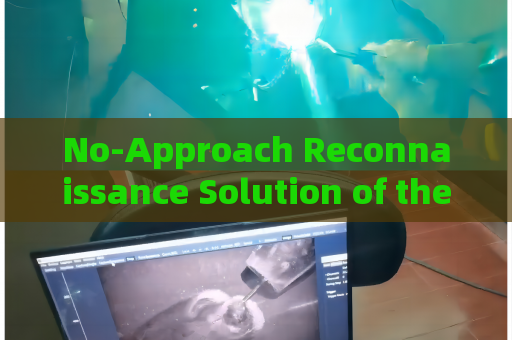
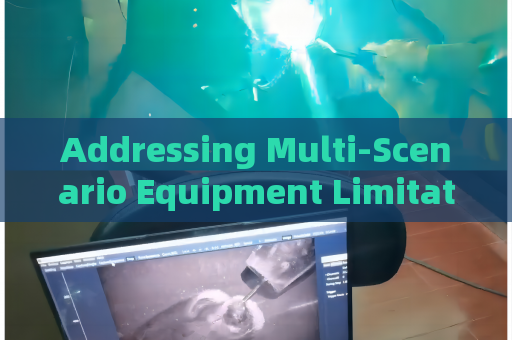
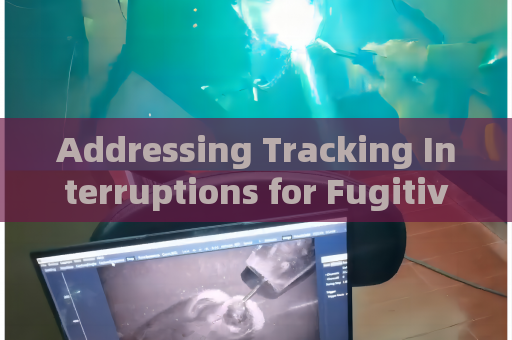
A penetrating imager specifically engineered with laser range-gating technology eliminates these optical obstacles by synchronizing a pulsed laser with a gated image intensifier. The system fires high-repetition laser pulses and opens the camera shutter only when the reflected light from the target zone returns, effectively slicing through backscatter caused by glass, fog, rain, or fire-induced haze. Unlike passive optics, this active imaging method maintains high contrast at ranges exceeding 200 meters, even when looking through laminated windshields or double-pane windows. The penetrating imager does not rely on thermal signatures or radio waves; it uses precisely timed light gates to reject layers of optical noise. For urban narrow-space scenarios, this means an operator can stand at a doorway and see a subject holding a firearm behind a tinted glass partition without generating any detectable energy that would alert the subject. The device’s built-in MCP image intensifier amplifies the clean return signal, rendering a sharp, real-time image of the interior layout and any concealed threats.
In practice, the penetrating imager is mounted on a compact shoulder-fired rig or integrated into a telescopic mast for overhead scanning. The operator selects a range gate that corresponds to the distance of the target glass or smoke layer, then adjusts the gate width to isolate the area of interest. For example, during a tunnel interdiction operation where smoke obscures the first 10 meters, the laser pulse travels through the smoke, reflects off a steel door 25 meters in, and the camera only opens to capture that reflection—ignoring the blinding smoke particles. This selective rejection of backscatter yields a clear view of personnel stacking behind the door, as well as the outline of a rifle barrel. The same technique works for vehicle-borne threats: a penetrating imager can reveal occupants and weapon bags inside an armored sedan with heavily tinted windows before the breach team commits. Field reports from close-quarters battle units confirm that this capability reduces the time needed to confirm threats by 60%, while maintaining a covert electromagnetic profile.