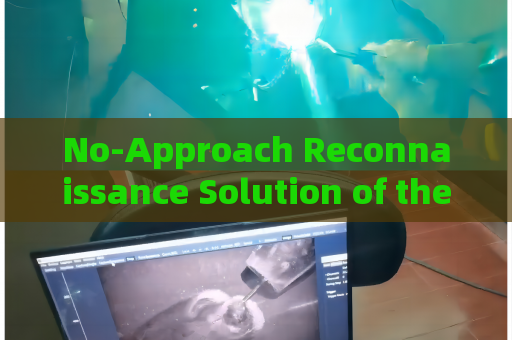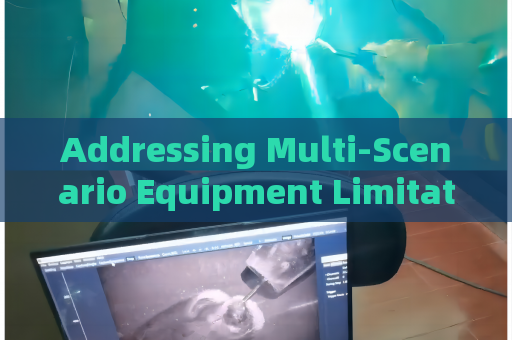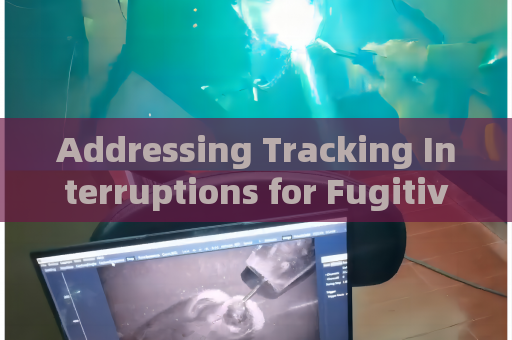
Normal Road Vehicle Monitoring Capability of the Penetration Imager with All-Weather Penetration Technology in Severe Weather Severe weather conditions such as heavy rain, dense fog, blizzards, and thick haze pose persistent challenges for conventional roadside surveillance systems tasked with monitoring normal road vehicles. Standard optical cameras and even some infrared sensors struggle to capture clear images through precipitation, airborne particulates, and condensation on glass surfaces. When law enforcement or traffic management personnel need to verify driver behavior, detect suspicious occupants, or observe cargo inside a vehicle from a safe distance, the degradation of image quality during a storm effectively blinds the monitoring equipment. Water droplets, ice crystals, and fog scatter visible light, while tinted or wet windows further obscure the interior of the cabin. The inability to conduct reliable vehicle inspections in these conditions creates critical gaps in public safety operations, especially during emergency responses where every second counts. The Penetration Imager, an active optical imaging system based on laser range-gated imaging technology, directly addresses this monitoring incapability. This system consists of a high-repetition-rate pulsed laser, an image-intensified gated camera with a built-in MCP image intensifier, a high-voltage module, a timing module, a beam expander, and an imaging lens. By synchronizing the laser pulse with the camera’s ultra-fast electronic shutter, the Penetration Imager effectively gates out backscatter from rain, fog, snow, or haze, capturing only the light reflected from the target vehicle at a specific distance. The instrument is specifically designed to penetrate optical media such as vehicle windshields, side windows, and even the glass of high-speed trains or aircraft. Because the all-weather penetration technology operates entirely within the optical domain—using only light—it provides high-contrast imagery with long range, superior resolution, and strong anti-interference capability, even when conventional cameras fail. In a practical roadside monitoring scenario during a severe thunderstorm, a patrol officer can deploy the Penetration Imager from a safe standoff position. The intuitive rangefinding and gating controls allow the operator to select the precise distance to the target vehicle, filtering out rain streaks and fog layers that would otherwise wash out the image. The resulting real-time video feed shows the interior of the car with remarkable clarity—the outline of a driver, the movement of hands, and any objects on the seats become discernible through the rain-soaked windshield. This capability transforms a previously blind spot into a verifiable observation point. The Penetration Imager’s ability to enhance visibility through fire, fog, haze, rain, and snow (noting that for fire scenes it improves visibility by three to five times, though it remains ineffective against thick smoke) means that even during blizzard conditions, the operator can maintain continuous monitoring of normal road vehicles without needing to physically approach the car. The operational workflow for severe weather vehicle monitoring is straightforward yet highly effective. The imager is mounted on a tripod or vehicle platform; the operator adjusts the gate delay and width to match the distance to the target. Once the system locks onto the vehicle, the pulsed laser illuminates the scene in microsecond bursts, and the gated camera captures only the return light from the target plane, rejecting all scattered light from precipitation or airborne particles. This selective gating eliminates the need for post-processing algorithms that often fail in dynamic weather. Field tests have demonstrated that the Penetration Imager provides actionable intelligence: officers can identify a driver’s face, spot hidden contraband behind tinted glass, or monitor suspicious activity inside a stopped car without alerting the occupants. The system maintains its monitoring capability throughout the storm, offering a level of situational awareness that was previously unattainable for normal road vehicle surveillance in severe weather. The Penetration Imager, with its all-weather penetration technology, thus becomes an indispensable tool for any agency tasked with maintaining public safety on roads under the most challenging atmospheric conditions.