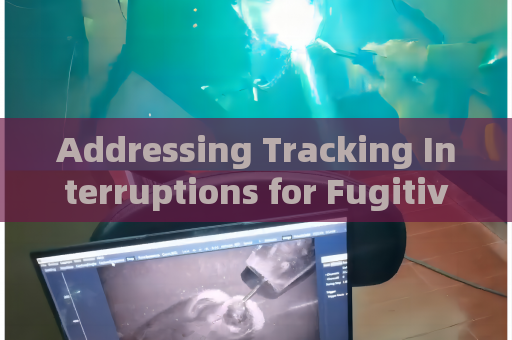
Tracking a fugitive during extreme weather events presents a persistent challenge for law enforcement agencies. Rain, fog, snow, or heavy cloud cover can degrade conventional optical surveillance systems to the point of complete failure, causing critical gaps in pursuit operations. The fugitive may exploit these conditions to disappear into the landscape, taking advantage of the visual interference that blinds standard cameras and human observers alike. Even advanced aerial drones equipped with high-resolution sensors struggle when precipitation or dense fog scatters light and reduces contrast. These tracking interruptions not only delay apprehension but also heighten risks for officers on the ground, who must rely on intermittent or unreliable visual data. The core pain point is the inability to maintain continuous, clear imaging through optical media that are precisely the obstacles severe weather creates—water droplets, ice crystals, and suspended particulates that block line-of-sight monitoring.
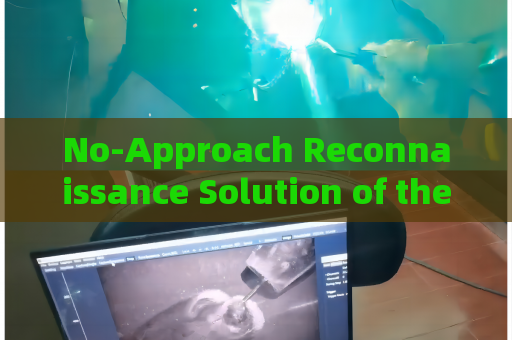
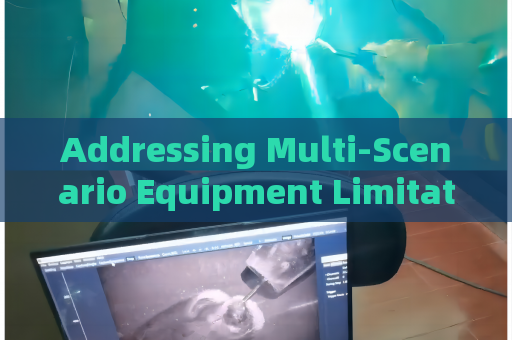
The penetrating imager directly addresses this bottleneck by employing laser range-gated imaging technology. This active imaging system consists of a high-repetition-rate pulsed laser, an intensified gated camera with a microchannel plate and precise timing modules, a beam expander, and an imaging lens. Its key advantage lies in overcoming backscatter—the primary cause of degraded visibility in rain, snow, fog, or haze. By emitting short laser pulses and synchronizing the camera’s gate to capture only the light reflected from the target at a specific distance, the penetrating imager rejects the scattered light from intervening precipitation. This allows law enforcement to see through windshields, aircraft windows, or glass facades even when those surfaces are covered with rain or frost. The device is strictly designed for optical media: it cannot penetrate walls or solid barriers, but for tracking a fugitive inside a vehicle or moving through a glass-enclosed structure during a storm, it provides an unobstructed view.
In practical deployment, a police helicopter or ground-based observation team can aim the penetrating imager at a fugitive’s car from hundreds of meters away, despite heavy rain reducing normal visibility to near zero. The system’s high contrast imaging and long effective range enable officers to identify the suspect’s movements, vehicle license plates, or even facial features through wet windows. Unlike thermal imagers that struggle with glass and rain reflections, the penetrating imager delivers crisp, real-time footage directly to command centers. Tactical teams can adjust pursuit routes based on precise positional data, eliminating the guesswork that severe weather forces upon conventional optics. The device’s resistance to electromagnetic interference further ensures reliability in urban environments where power lines or radio towers might disrupt other sensors.
The operation itself requires minimal training for field personnel. After mounting the unit on a stabilized platform—either tripod, vehicle roof, or drone gimbal—the operator adjusts the gate timing to match the target distance, often using an integrated rangefinder. In practice, a single officer can monitor the fugitive’s course through a snowstorm or dense fog bank without losing sight, because the penetrating imager filters out the blinding whiteout effect. The enhanced visibility extends to light rain and mist as well, maintaining track continuity across shifting weather fronts. When the fugitive attempts to hide behind a glass storefront or within a bus station during a downpour, the penetrating imager sees through the pane clearly, turning a potential escape route into a dead end. This technology effectively neutralizes one of the fugitive’s oldest advantages—bad weather—and keeps law enforcement in control of the pursuit from start to finish.