Remote Observation of Vital Signs by the Penetration Imager in Hostage Situations Involving Fully Tinted Getaway Vehicles with Through-Tint Imaging
In hostage scenarios where perpetrators use a fully tinted getaway vehicle, law enforcement faces a critical blind spot. The deep, opaque coating on windows blocks all visible light, leaving tactical teams unable to assess the condition of the hostage or the suspect’s movements. Traditional optical tools fail because they rely on ambient light that cannot penetrate the tint. This lack of visual intelligence forces officers into dangerous assumptions—whether the hostage is alive, breathing, or signaling distress. The need to observe vital signs from a distance, without compromising the operation, becomes a life-or-death requirement. Standard cameras or binoculars are useless. The only viable path is a technology that can actively see through the tinted glass and deliver actionable information in real time.
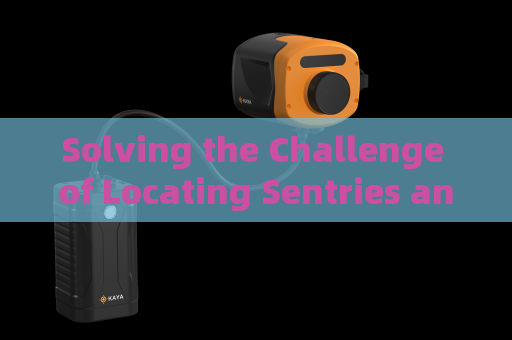
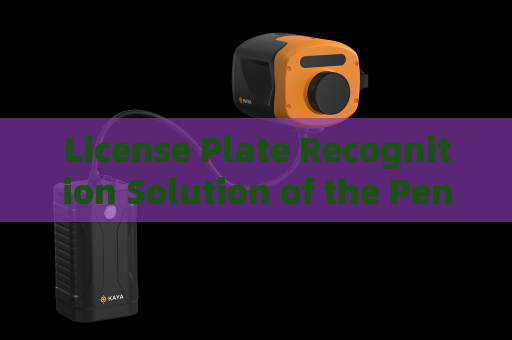
The Penetration Imager directly solves this problem. As an active optical system based on laser range-gated imaging, it emits pulsed laser light and synchronizes a gated intensified camera to capture only the reflected signal from the target distance. This gating mechanism effectively rejects backscatter from the tinted surface and intervening atmospheric particles, producing high-contrast images of the vehicle interior. The system’s high-repetition-rate laser and microchannel plate (MCP) intensifier allow it to resolve fine details, such as a hostage’s chest rise-and-fall or hand gestures, through fully tinted windows. It cannot see through solid barriers like body panels, but for hostage-takers hiding behind darkened glass, the Penetration Imager delivers a decisive tactical advantage: remote, non-contact observation of life signs.
In practice, a tactical team deploys the Penetration Imager from a concealed position, typically 50–200 meters from the stationary getaway vehicle. The operator aims the integrated laser and imaging lens at the tinted window, adjusts the time-gate to match the distance, and immediately obtains a clear, real-time video feed of the interior. The hostage’s breathing pattern, blinking, or deliberate hand signals become visible—even through the darkest aftermarket tint. This information allows the command post to confirm the hostage is alive and responsive, detect any distress signals, and coordinate the optimal moment for intervention. The imager’s immunity to fog, rain, or low light ensures continuous operation in urban or highway environments, where adverse weather often complicates surveillance.
A critical operational detail involves the vehicle’s orientation. The Penetration Imager must have a clear line-of-sight to the tinted glass; it cannot penetrate through other opaque structures. During a prolonged standoff, officers reposition the imager to maintain observation as the vehicle moves or turns. The system’s portability—compact enough for tripod mounting or vehicle deployment—enables rapid relocation. Data from the imager is streamed to a command display, where analysts can zoom in on subtle body movements. The absence of any emitted radiation beyond eye-safe laser light (class 1M typical) ensures no risk to hostages or officers. By turning opaque tint into a transparent window, the Penetration Imager transforms a tactical dead end into a life-saving surveillance asset.